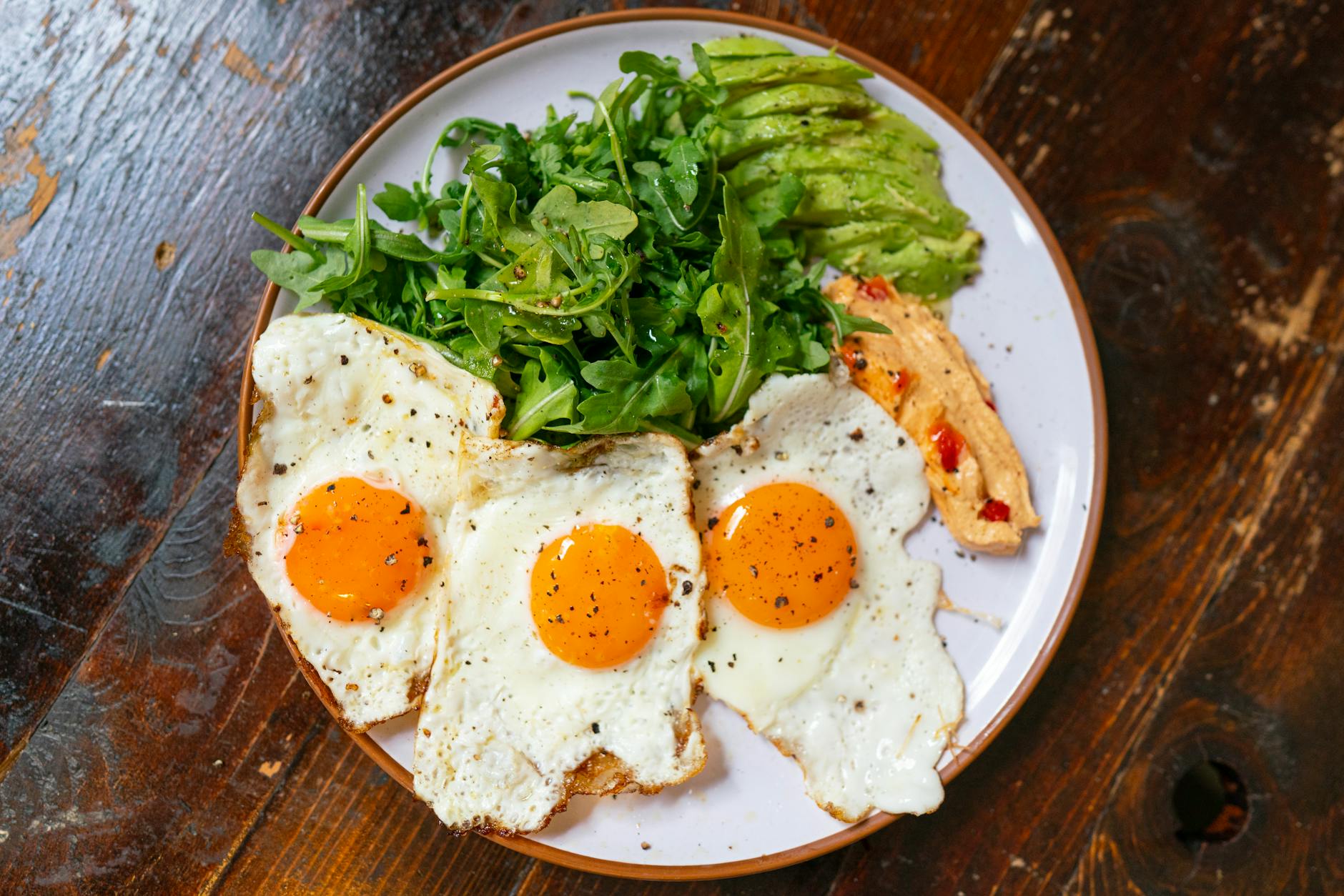
How to Build a High-Protein Breakfast Meal Prep Routine
How to Build a High-Protein Breakfast Meal Prep Routine
Mornings are chaotic. Between getting dressed, checking emails, and trying to get out the door on time, breakfast is often the first thing to get cut. Most people either skip it entirely or grab something convenient — a granola bar with 4 grams of protein and 30 grams of sugar, or a drive-through sandwich that leaves you hungry by 10 a.m. A high-protein breakfast meal prep routine fixes all of that. You cook once, eat well all week, and start every morning with a meal that actually fuels your body.
Protein at breakfast is not just a fitness trend. Research consistently shows that a protein-rich morning meal reduces hunger hormones, stabilizes blood sugar, and helps preserve lean muscle mass — especially important if you are active or trying to manage your weight. Aim for 25 to 40 grams of protein at breakfast, and you will notice a real difference in your energy levels and your ability to stay focused through the morning.
This guide walks you through exactly how to set up a high-protein breakfast meal prep routine from scratch — the planning, the shopping, the cooking, and the storage. Whether you have two hours on a Sunday or just 45 minutes on a weeknight, there is a system here that will work for your schedule.
Why Batch Cooking Breakfast Actually Works
The biggest barrier to eating a good breakfast is time. Cooking eggs from scratch, making a protein-rich smoothie with measured ingredients, or preparing overnight oats individually each morning adds friction that most people will not sustain long-term. Batch cooking removes that friction. You do the work once and then simply grab, reheat, or assemble each morning.
High-protein breakfast foods are particularly well-suited to batch cooking. Eggs in every form — hard-boiled, baked in muffin tins, scrambled in bulk — store well in the refrigerator for up to five days. Greek yogurt parfaits can be layered in jars on Sunday and grabbed through Thursday. Turkey or chicken breakfast sausage patties freeze beautifully. Protein pancakes and waffles hold in the fridge for four days and reheat in minutes in a toaster.
The key is building a rotation of four or five reliable recipes that you actually enjoy eating and that give you enough protein to matter. Once those recipes become familiar, prep time drops significantly because you are not following a new recipe every week — you are executing a practiced routine.
Setting Up Your Protein Targets Before You Prep
Before you start cooking, spend five minutes doing a quick calculation. If your goal is 30 grams of protein at breakfast, work backward from the foods you plan to use. A large egg contains about 6 grams. A 170g serving of plain Greek yogurt contains around 17 grams. Two turkey sausage patties might add another 14 grams. Cottage cheese, smoked salmon, canned tuna, tofu, edamame, and protein powder are all high-density protein sources that integrate easily into breakfast meals.
You do not need to obsess over exact numbers, but having a rough target stops you from prepping a week of breakfasts and realizing on Monday that each meal only delivers 12 grams of protein. Write down your target, map it to your recipes, and adjust quantities before you shop.
The Core High-Protein Breakfast Meal Prep Recipes
Egg Muffins (Protein: 18–24g per serving of three muffins)
Egg muffins are the workhorse of high-protein breakfast prep. They are portable, endlessly customizable, and take about 25 minutes from start to finish. The basic formula is simple: whisk 8 to 10 eggs with a splash of milk, salt, and pepper, then divide the mixture across a greased 12-cup muffin tin. Add fillings to each cup before pouring in the egg mixture — diced bell peppers, spinach, mushrooms, crumbled cooked turkey sausage, diced ham, sun-dried tomatoes, and shredded cheese all work well.
Bake at 180°C (350°F) for 18 to 22 minutes until the eggs are just set in the center. Let them cool completely before storing them in an airtight container in the refrigerator. They will keep for five days and reheat in the microwave in 60 to 90 seconds. To boost protein further, add a tablespoon of cottage cheese to the egg mixture before baking — it blends in seamlessly and adds creaminess along with extra protein.
A batch of 12 egg muffins using 10 eggs, 100g of cooked turkey sausage, and a handful of cheese will deliver approximately 8 grams of protein per muffin. Eat three with a side of Greek yogurt and you are looking at a 40-gram protein breakfast.
Greek Yogurt Parfait Jars (Protein: 25–35g per jar)
Mason jar parfaits are the fastest breakfast to assemble during prep and the fastest to grab in the morning. Use full-fat or 2% plain Greek yogurt rather than low-fat flavored varieties — the flavored versions are typically high in added sugar and lower in protein per gram. Fage, Chobani, and own-brand Greek yogurts from Waitrose or Tesco all deliver solid protein content; just check that you are buying strained Greek yogurt rather than Greek-style yogurt, which has a very different nutritional profile.
For a high-protein version, layer the bottom of a 500ml mason jar with 170g of Greek yogurt, then add a scoop (25–30g) of unflavored or vanilla whey or casein protein powder mixed directly into the yogurt before layering. This alone brings the protein to around 35 grams. Add a layer of mixed berries, a tablespoon of nut butter, and a small handful of granola or crushed nuts on top. The granola will soften overnight, which some people prefer; if you like crunch, store the granola in a small separate bag and add it in the morning.
These jars keep well for four days in the refrigerator. Prep five on Sunday and you have breakfast covered Monday through Friday with zero morning effort.
Turkey Sausage and Sweet Potato Breakfast Bowls (Protein: 28–32g per bowl)
This is a more substantial batch-cook option that works well for people who prefer a savory, full-plate breakfast. It requires more prep time — about 45 minutes — but the payoff is a genuinely satisfying meal that keeps hunger at bay until well past noon.
Roast two large sweet potatoes, cubed into 2cm pieces, with olive oil, smoked paprika, garlic powder, salt, and pepper at 200°C for 25 minutes until caramelized. While the potatoes roast, cook 500g of ground turkey in a skillet with fennel seeds, dried sage, garlic, red pepper flakes, and a pinch of salt, breaking it into crumble as it browns. Scramble six to eight eggs separately and season well.
Divide the three components across five meal prep containers — sweet potato on the bottom, turkey crumble in the middle, scrambled eggs on top. Refrigerate for up to four days. In the morning, reheat for two minutes in the microwave. You can add a dollop of hot sauce or salsa on top before eating. The combination of eggs, turkey, and sweet potato delivers complex carbohydrates alongside substantial protein, making it one of the most complete batch-cooked breakfast options you can build.
Protein Overnight Oats (Protein: 25–30g per jar)
Overnight oats get a bad reputation in high-protein circles because the standard version — oats, milk, and fruit — delivers more carbohydrates than protein. The fix is straightforward: add protein powder, Greek yogurt, and nut butter to the base, and you transform overnight oats from a carb-heavy meal into a genuinely balanced option.
For each jar, combine 60g of rolled oats (not instant), 150ml of unsweetened almond milk or full-fat cow’s milk, 80g of plain Greek yogurt, one scoop of protein powder, one tablespoon of almond or peanut butter, a teaspoon of chia seeds, and a small drizzle of honey or maple syrup if you want a touch of sweetness. Stir thoroughly, seal the jar, and refrigerate overnight. In the morning, stir again, add toppings — banana slices, berries, or a sprinkle of hemp seeds — and eat cold or briefly warmed in the microwave.
Prep five jars on Sunday evening. This takes roughly 15 minutes and requires no cooking whatsoever, making it the most accessible batch prep option for people who find dedicated cooking sessions difficult to schedule.
Cottage Cheese Egg Scramble Wraps (Protein: 30–36g per wrap)
Cottage cheese in scrambled eggs sounds unusual but works exceptionally well. The curds break down during cooking and create an incredibly creamy, moist scramble that is higher in protein than eggs alone. Use 4 eggs and 100g of full-fat cottage cheese per two servings, whisk them together thoroughly, and cook low and slow in a nonstick pan with a small amount of butter.
For batch cooking, scramble a large batch — say, 10 eggs and 250g of cottage cheese — and store the cooked scramble in a container for up to three days. Each morning, take a large whole wheat or low-carb tortilla, add a portion of the egg-cottage cheese scramble, some sliced avocado, a few leaves of baby spinach, and a sprinkle of everything bagel seasoning. Roll it up and eat it at home or wrap it in foil for the commute.
Pre-cooked scrambled eggs reheat well if you do it gently — 60 to 90 seconds at medium power in the microwave, stirring once halfway through. Avoid high power, which turns them rubbery.
Building Your Weekly Prep Schedule
A successful meal prep routine depends on a schedule that fits your actual life. Most people find Sunday afternoon the most practical time, but a Wednesday evening top-up can be useful if you want truly fresh options mid-week. Here is a realistic 90-minute Sunday prep plan that covers five high-protein breakfasts:
- 0:00 – 0:10: Preheat the oven to 200°C. Cube sweet potatoes and toss with oil and spices. Get them in the oven.
- 0:10 – 0:25: Mix overnight oats jars for the week. Five jars, no cooking required. Refrigerate immediately.
- 0:25 – 0:40: Cook ground turkey in a skillet. Season and break it down. Set aside to cool.
- 0:40 – 0:55: Lower oven to 180°C. Prep and bake egg muffins. While they bake, scramble the large egg-cottage cheese batch.
- 0:55 – 1:10: Check sweet potatoes (should be done). Remove egg muffins when set.




https://shorturl.fm/RjSlZ
https://shorturl.fm/sGwvy
https://shorturl.fm/MK27i
https://shorturl.fm/7gGyn