Why Meal Prep Snacks Matters and How to Get Started
Why Meal Prep Snacks Matter and How to Get Started
Picture this: it’s 3 PM, your energy is crashing, your stomach is growling, and the nearest vending machine is calling your name with a bag of chips that costs $2 and leaves you feeling worse than before. Sound familiar? That moment right there is exactly why meal prep snacks deserve a permanent spot in your weekly routine — and once you start, you’ll wonder how you ever survived without them.
Snacking often gets a bad reputation, but the truth is, smart snacking keeps your metabolism steady, your focus sharp, and your mood from going completely off the rails between meals. The real problem isn’t snacking itself — it’s the lack of planning around it. That’s where meal prep comes in, and it’s genuinely a game-changer for your health, your wallet, and your sanity.
The Real Reason Snack Prep Is a Non-Negotiable
Most people put a lot of thought into planning their main meals — dinner recipes, meal prep bowls loaded with grains and veggies, or a solid meal prep breakfast rotation. But snacks? Those usually get left to chance. And when you leave snacks to chance, you leave yourself vulnerable to impulse decisions that rarely serve your goals.
Here’s what prepping your snacks actually does for you:
- It saves you money. Grabbing a snack on the go costs anywhere from $3 to $8 per item. Prepping your own snacks at home is a cornerstone of cheap meal prep — you can make a week’s worth of energy balls, cut veggies with hummus, or portioned nuts for the same price as one or two store-bought items.
- It keeps you on track with your nutrition goals. When healthy food is already prepped and waiting for you, the decision is made before hunger even hits.
- It reduces decision fatigue. Every choice you make throughout the day takes mental energy. Eliminate the “what should I eat?” scramble and free your brain for more important things.
- It supports the bigger meal prep picture. Whether you’re doing family meal prep for a household of five or cooking solo for the week, snacks are the bridge between your main meals that holds everything together.
What Makes a Great Prepped Snack?
Not every food translates well into a prepped snack. The best ones share a few key qualities that make them practical, satisfying, and actually enjoyable to eat a few days after you make them.
It Needs to Hold Up in the Fridge
Anything that gets soggy, oxidizes quickly, or loses its texture within 24 hours is going to be a headache. Think about foods that stay fresh and appealing for three to five days — things like hard-boiled eggs, roasted chickpeas, overnight oats, energy bites, cheese portions, or sliced cucumbers stored in water.
It Should Have a Balance of Macros
A snack that’s purely carbs will spike your blood sugar and leave you hungrier an hour later. Aim for something that combines protein, healthy fat, and a little fiber. For example, apple slices with almond butter, Greek yogurt with berries, or a handful of trail mix with nuts and dried fruit all hit that balance without requiring much effort.
It Should Be Easy to Grab and Go
Portioning matters more than people realize. If your snack requires a plate, utensils, or any real effort to eat, you’re less likely to reach for it when you’re in a rush. Pre-portioning into small containers, zip-lock bags, or snack-sized jars means that when hunger hits, you’re one hand movement away from eating something good for you.
Getting Started: Your First Snack Prep Session
If you’ve never done this before, keep it simple. You don’t need to overhaul your entire kitchen or spend a Sunday cooking elaborate recipes. Your first snack prep session should take no more than 45 minutes to an hour, and here’s exactly how to approach it.
Step 1 — Pick Three to Four Snack Options
Variety keeps things interesting without overwhelming you. Choose snacks across different food groups so you have options depending on your mood or hunger level. A good starting lineup might look like:
- Hard-boiled eggs (protein-forward)
- Portioned hummus with carrot and celery sticks (fiber and healthy fat)
- Homemade energy balls made with oats, peanut butter, and honey (carbs and fat)
- Greek yogurt cups with granola stored separately (protein and crunch)
If you’re doing vegan meal prep, simply swap the eggs and yogurt for roasted edamame, vegan protein balls, or coconut yogurt with chia seeds. There are genuinely endless options that are plant-based, delicious, and incredibly easy to prep ahead.
Step 2 — Shop with a List and a Budget in Mind
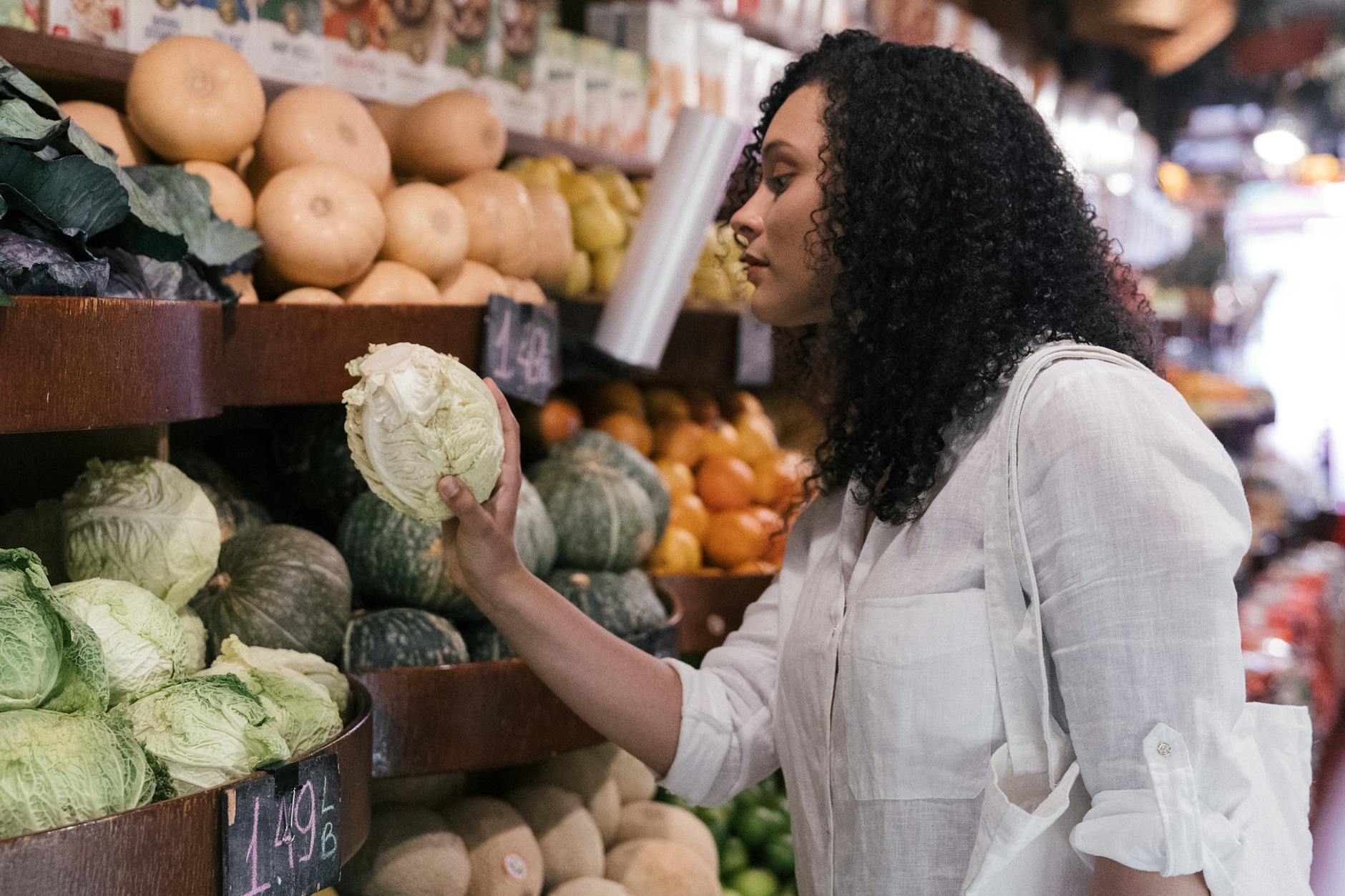
One of the biggest wins with cheap meal prep is knowing exactly what you need before you walk into the store. Write your list based on the snacks you’ve chosen, check what you already have, and buy only what you need. Buying in bulk for pantry staples like oats, nuts, seeds, and dried fruit will save you significantly over time.
“The goal isn’t perfection — it’s preparation. A fridge stocked with real food options, even simple ones, will always beat an empty fridge and a vending machine.”
Step 3 — Batch Prep Everything at Once
Set aside a block of time — Sunday afternoon works great for most people — and knock everything out at once. Put the eggs on to boil, mix your energy ball dough, chop your vegetables, and portion everything into containers while things cook. You’ll be amazed how quickly it comes together when you’re doing multiple things simultaneously.
If you’re already prepping your main meals — building meal prep bowls for lunches or lining up your meal prep breakfast options for the week — snacks can be done in the same session without adding much time at all. It becomes one efficient block of kitchen time rather than multiple separate cooking days.
Step 4 — Label and Organize Your Fridge
This sounds like a small thing, but it genuinely changes the way you interact with your food. Label your containers with the day they were made so you always know what to eat first. Keep snacks on an accessible shelf at eye level — not buried behind last week’s leftovers. When healthy food is the first thing you see when you open the fridge, you eat it.
Snack Prep Ideas for Every Lifestyle
One of the best things about meal prep snacks is how adaptable they are. Whether you’re feeding a family, cooking solo on a tight budget, or following a specific dietary plan, there’s a snack prep approach that works for your life.
For Families
Family meal prep is all about volume and variety. Kids and adults often want different things, so prepping a mix of snacks covers everyone without cooking separate things. Try a snack station in the fridge — a dedicated shelf or drawer with portioned snacks that family members can grab themselves. Include options like:
- Cheese sticks or cubed cheese
- Sliced fruit in airtight containers
- Homemade muffins or mini frittatas baked in batches
- Nut butter and whole grain crackers in portion bags
- Veggie cups with ranch or hummus dip
The snack station concept is especially helpful for older kids who can grab something independently. You’re teaching them healthy habits while making your own life easier — that’s a double win.
For Budget-Conscious Eating
Cheap meal prep doesn’t mean boring or nutritionally weak. Some of the best snack ingredients are also some of the most affordable: oats, peanut butter, bananas, eggs, canned chickpeas, carrots, celery, and frozen edamame. A batch of peanut butter oat energy balls costs about $4 to make and yields 20 to 24 balls. That’s less than 20 cents per snack. You simply cannot beat that with anything from a convenience store.
For Plant-Based Eating
If you’re committed to vegan meal prep, snack prep is where you’ll really feel the benefits of planning ahead. Plant-based snacks that are whole-food based — roasted chickpeas, fruit and nut mixes, avocado rice cakes, smoothie packs, or chia pudding cups — all require a little prep but are incredibly satisfying and nutrient-dense. Having these ready means you’re not scrambling for options when hunger strikes and reaching for something processed by default.
Common Mistakes to Avoid
Even with the best intentions, snack prep can go sideways if you fall into a few common traps. Here’s what to watch out for so you don’t waste food or time.
Prepping Too Much at Once
Enthusiasm is great, but prepping 10 different snacks your first week is a recipe for food waste. Start small, find what you actually enjoy eating, and build from there. Three to four options per week is plenty to keep things interesting.
Ignoring Shelf Life
Some snacks last five days in the fridge; others start going bad after two. Anything with fresh fruit mixed in, for example, should be eaten within two days. Know your snacks and plan accordingly — eat the more perishable ones early in the week and save the hardier options for later.
Skipping the Portioning Step
Buying a big container of almonds and telling yourself you’ll just “grab a handful” almost never works the way you plan. Portion everything upfront. It takes five extra minutes and eliminates the mindless eating that can undo a lot of otherwise solid nutrition habits.
Forgetting About Variety
Eating the same snack every single day gets old fast, and boredom is one of the top reasons people fall off meal prep habits. Rotate your snack options every week or two so things stay fresh and you actually look forward to eating what you’ve prepared.
Connecting Snacks to Your Bigger Meal Prep System
Snack prep doesn’t exist in isolation — it’s one piece of a larger meal prep system that, when working together, makes your entire relationship with food easier and more intentional. Think about how your snacks connect to the rest of your meals.
If you’re building out your meal prep breakfast lineup for the week — overnight oats, egg muffins, smoothie packs — snacks can use similar ingredients, reducing waste and simplifying your shopping list. Leftover roasted sweet potato from your meal prep bowls? Dice it up, add some black beans and a sprinkle of salt, and you’ve got a savory afternoon snack that uses what’s already in your fridge.
That kind of ingredient overlap is the secret sauce of efficient meal prep. The more your meals and snacks
share ingredients, the fewer things you need to buy, store, and keep track of. It also means less decision fatigue when you’re standing in the kitchen at 3pm wondering what to eat. When your snacks are already prepped and built around the same base ingredients as your meals, the whole week runs smoother.
Getting started does not have to be complicated. Pick two or three snacks you actually enjoy eating, then look at your existing meal prep list and find the overlap. If you are already cooking a batch of quinoa for lunch bowls, portion some into a small container with cucumber slices and a drizzle of tahini. If hard-boiled eggs are already in your rotation, you are halfway to a solid snack without any extra effort. The goal is not to add more to your plate — it is to make better use of what is already on it.
Once you have done it for a week or two, the process becomes second nature. You start to see your ingredients differently, less as components of individual meals and more as a flexible pantry you are constantly drawing from. Sunday prep sessions get faster. Grocery lists get shorter. And the 3pm energy crash that used to send you reaching for whatever was closest starts to feel like a problem from a different life.
Meal prep snacks are not a trend or a rigid system — they are just a smarter way to eat during the week. Start small, stay consistent, and let the habit build on itself. Your future self, standing in the kitchen on a Wednesday with a ready-made snack already waiting, will appreciate the effort.