How to Build a High-Protein Breakfast Meal Prep Routine
How to Build a High-Protein Breakfast Meal Prep Routine
Mornings are brutal. Between hitting snooze one too many times, scrambling to find clean clothes, and trying to remember where you left your keys, the last thing most people want to do is cook a nutritious breakfast from scratch. That is exactly why a high-protein breakfast meal prep routine can be one of the most impactful habits you build into your week. Prepare once, eat well every single day, and start each morning with fuel that actually keeps you going past 10 a.m.
High-protein breakfasts are not just a fitness trend. Research consistently shows that eating adequate protein in the morning reduces hunger hormones, stabilizes blood sugar, and supports muscle maintenance — whether you train regularly or just want to get through a long workday without raiding the vending machine. The American College of Sports Medicine recommends adults aim for 1.2 to 2.0 grams of protein per kilogram of body weight daily, and front-loading some of that intake at breakfast sets you up for a more controlled appetite throughout the rest of the day.
This guide walks you through everything you need to know to build a sustainable, practical high-protein breakfast meal prep routine — from planning and shopping to cooking and storing five different recipe categories that will keep your mornings interesting all week long.
Why Meal Prepping Breakfast Beats Improvising Every Morning
Most people are willing to prep lunches or dinners but skip breakfast because it feels like a quick meal. The problem is that “quick” usually means grabbing a granola bar loaded with sugar, skipping it entirely, or stopping at a coffee shop for a pastry that does very little for your energy levels. None of those options deliver meaningful protein.
When you prep breakfasts in advance, a few things happen. First, decision fatigue drops to zero. You open the fridge, grab your container, and eat. Second, you stop overspending on convenience food. A batch of egg muffins costs under five dollars and feeds you for five days. Third, you actually hit your nutritional targets because you made intentional choices when you had time and energy to do so, not at 7 a.m. when you are half asleep.
The goal is not perfection. It is consistency. Even prepping two or three breakfasts ahead of time dramatically improves the quality of your mornings compared to winging it every day.
Setting Up Your Meal Prep Session
Pick Your Prep Day
Sunday is the classic choice, and it works well for most people. If your weekends are hectic, Wednesday evenings work as a mid-week refresh. Many people do a combination — a full prep on Sunday for Monday through Wednesday, and a smaller prep on Wednesday for the rest of the week. Find what fits your schedule and stick with it consistently rather than trying to do everything perfectly once and then burning out.
Stock a High-Protein Pantry
Before you cook a single thing, your pantry and fridge need the right foundations. A well-stocked kitchen makes meal prep faster and less stressful. Here are the staples to keep on hand for high-protein breakfast prep:
- Eggs: Cheap, versatile, and one of the most complete protein sources available. A large egg delivers around 6 grams of protein.
- Greek yogurt: Full-fat or low-fat, plain. A standard 170g serving provides 15 to 20 grams of protein. Brands like Fage, Chobani, and Stonyfield are widely available across most U.S. grocery stores.
- Cottage cheese: Often overlooked, but half a cup packs around 14 grams of protein. It blends smoothly into recipes and works as a base for both sweet and savory options.
- Rolled oats: Not high in protein on their own, but they pair well with protein powder or nut butter to create a complete meal.
- Protein powder: Whey, casein, or plant-based. Useful for boosting protein in overnight oats, smoothie packs, and baked goods without adding significant volume.
- Turkey sausage or chicken sausage: Lower in fat than pork, and pre-cooked varieties cut down on prep time significantly.
- Smoked salmon: A great protein source for variety. Wild-caught options from brands like SeaBear or Vital Choice offer quality without excessive sodium.
- Nut butters: Almond, peanut, or cashew. Two tablespoons add 7 to 8 grams of protein plus healthy fat to keep you satiated.
- Shredded cheese: Adds protein and flavor to egg-based dishes. Cheddar, pepper jack, and mozzarella all work well.
- Canned or dry lentils: Unusual for breakfast but genuinely excellent in savory bowls and wraps. Half a cup of cooked lentils provides around 9 grams of protein.
Equipment That Makes It Easier
You do not need a professional kitchen setup. A standard muffin tin, a large baking sheet, a medium saucepan, an Instant Pot or slow cooker if you own one, and a good set of glass meal prep containers are enough to handle everything in this guide. Glass containers are worth the investment over plastic — they reheat evenly, do not absorb odors, and last for years. Brands like Pyrex and OXO Good Grips make reliable options you can find at Target, Walmart, or Amazon.
Five High-Protein Breakfast Recipes Built for Batch Cooking
1. Egg and Veggie Muffins
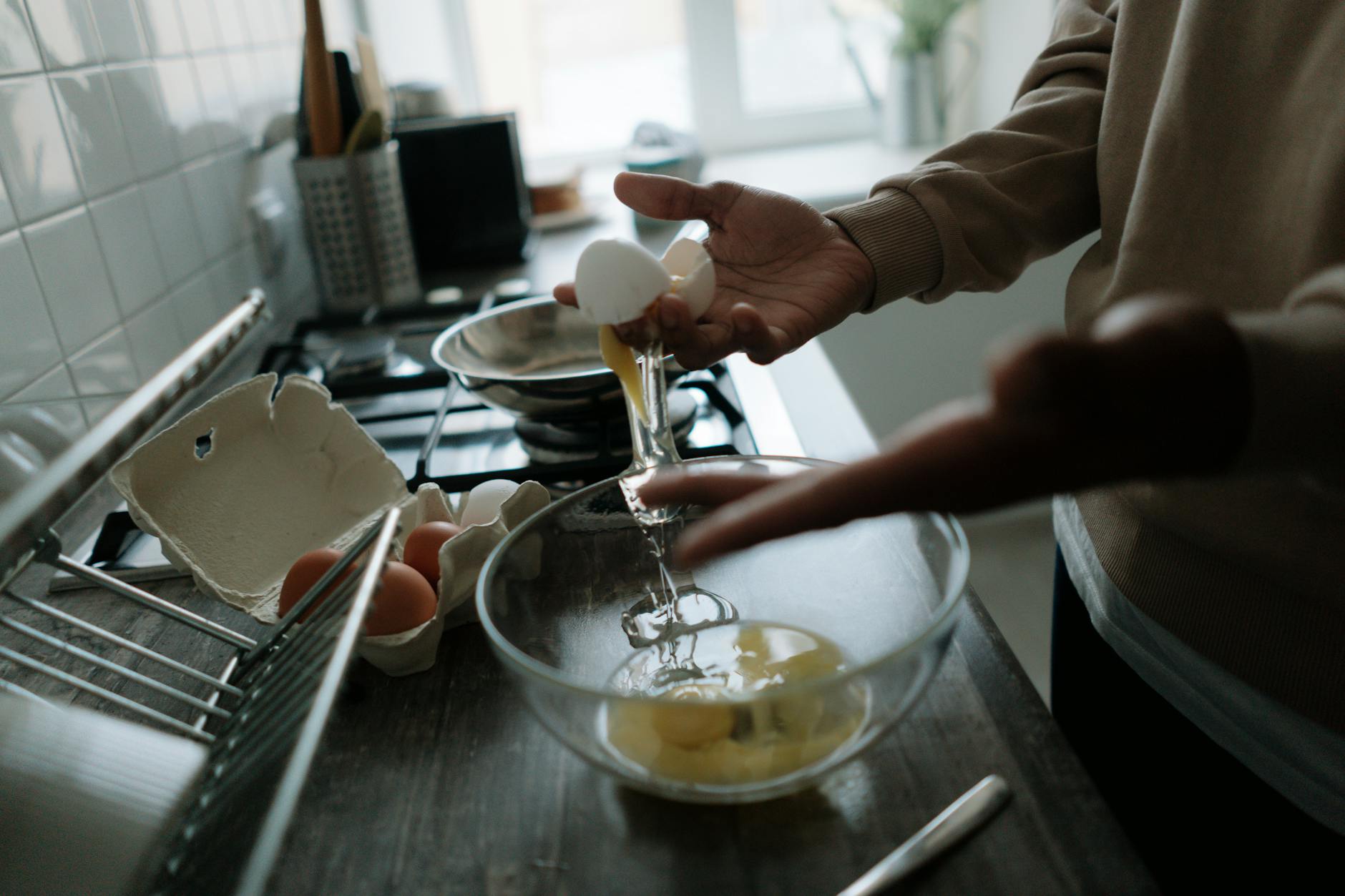
Egg muffins are the workhorse of breakfast meal prep. They take about 30 minutes from start to finish, store in the fridge for five days, and freeze well for up to three months. Each muffin contains roughly 7 to 8 grams of protein, and eating two or three gives you a solid 20 to 24 gram protein start to the day.
To make a standard batch of 12 muffins, whisk together 10 large eggs with a quarter cup of milk, salt, pepper, and your choice of seasonings — smoked paprika and garlic powder work especially well. Fold in fillings before pouring into a greased muffin tin. Good filling combinations include diced bell pepper, baby spinach, and feta; chopped turkey sausage, onion, and cheddar; or sun-dried tomatoes, basil, and mozzarella. Fill each cup about three-quarters full and bake at 350°F for 20 to 22 minutes until set in the center.
Once cooled, store in an airtight container. Reheat two muffins in the microwave for 60 to 90 seconds. Pair with a piece of fruit or a small Greek yogurt to round out the meal.
2. Overnight Oats with Protein Powder
Overnight oats have earned their place in meal prep culture for good reason — they require zero cooking, take five minutes to assemble, and are endlessly customizable. The standard base recipe has about 10 grams of protein, but adding a scoop of protein powder pushes that up to 30 to 35 grams depending on your protein powder of choice.
For each serving, combine half a cup of rolled oats with three-quarters of a cup of unsweetened almond milk or regular milk, one scoop of vanilla or unflavored protein powder, a tablespoon of chia seeds, and a teaspoon of honey or maple syrup. Stir well and seal in a mason jar or container. Refrigerate overnight — they are ready in as little as four hours but taste better after a full night.
Batch prep five jars at once on Sunday evening. Top each one differently throughout the week to avoid monotony: sliced strawberries and almond butter on Monday, banana and walnuts on Tuesday, blueberries and shredded coconut on Wednesday. Overnight oats keep well in the fridge for up to five days, making them one of the most efficient items in your prep rotation.
3. Sheet Pan Turkey Sausage and Sweet Potato Hash
This is a hearty, savory option that stores and reheats exceptionally well. A full sheet pan batch provides four to five generous servings, each containing around 28 to 32 grams of protein when combined with eggs.
Dice two large sweet potatoes into half-inch cubes and toss with olive oil, salt, cumin, and chili flakes. Spread on a lined baking sheet and roast at 400°F for 20 minutes. While those cook, slice a 12-ounce pack of pre-cooked turkey or chicken sausage into rounds and add to the pan for the final 10 minutes of cooking. The sausage gets slightly caramelized edges, which adds a lot of flavor. Optional additions include diced red onion, kale, or cherry tomatoes added in the last eight minutes so they soften without burning.
Store in a large glass container in the fridge. Each morning, scoop a portion into a skillet or microwave-safe bowl and heat through, then top with one or two freshly fried or poached eggs. The eggs add another 12 grams of protein and only take three minutes to cook, which is an acceptable morning time investment.
4. Greek Yogurt Parfait Jars
These require no cooking at all and can be assembled in under 10 minutes for a full week’s worth. Each jar delivers approximately 20 to 25 grams of protein depending on the yogurt brand and any additions.
Layer a jar with three-quarters of a cup of plain Greek yogurt, a tablespoon of honey, two tablespoons of granola (add this fresh in the morning if you want it to stay crunchy), and a handful of fresh or frozen berries. For extra protein, stir in a tablespoon of hemp seeds or a small scoop of unflavored collagen peptides — both dissolve easily and do not affect taste significantly.
If you want a thicker, more dessert-like texture, use full-fat Greek yogurt. The protein content is similar to low-fat versions, but the higher fat content increases satiety noticeably. Plain Fage Total 0% or 2% are reliable choices available nationwide. The jars keep for four to five days in the fridge. Keep the granola stored separately and add it just before eating to maintain texture.
5. High-Protein Breakfast Burritos
Breakfast burritos are the freezer meal champion of this entire list. Make a batch of eight to ten on Sunday, wrap them individually in foil, and freeze them. Each morning, unwrap, microwave for two to three minutes, and you have a complete meal with 30 to 35 grams of protein in your hand as you walk out the door.
Scramble eight eggs in a large pan with salt and pepper. In a separate pan, cook half a pound of ground turkey or crumbled turkey sausage until browned. Warm your tortillas in the microwave for 20 seconds each to make them pliable. Lay out each tortilla and fill with the egg mixture, turkey, a spoonful of black beans, shredded cheddar, and a tablespoon of salsa. The beans add plant-based protein and fiber, which improves the overall satiety of the meal. Roll tightly, tucking in the ends like a proper burrito, and wrap each one in foil before freezing.
Use large, whole wheat flour tortillas for maximum capacity and extra