Weekend Warrior Meal Prep: The American Professional's Guide to Saving Time, Money, and Your Sanity
Why Weekend Prep Works Better Than Any App or Gadget
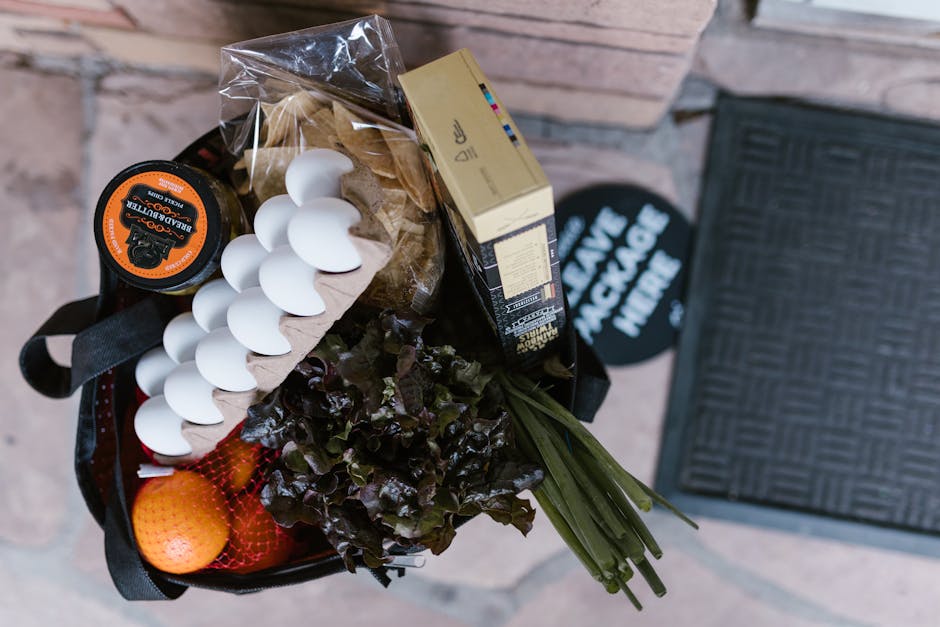
Every Sunday morning across American cities—from downtown Chicago high-rises to suburban Phoenix neighborhoods, thousands of working professionals face the same recurring problem. You've got roughly 48 hours between the end of your last workweek and the start of the next one. Between the farmers' market, the gym, maybe a kid's soccer game, and actually decompressing for a few hours, the idea of spending your entire Sunday afternoon chopping vegetables sounds less like self-optimization and more like punishment.
But here's what the data actually says. The average American worker spends 37 minutes per day figuring out, preparing, and eating meals during the workday—and that's before you count the evening scramble. According to a 2023 Bureau of Labor Statistics Time Use Survey, food preparation and cleanup combined consume nearly as much weekday time as commuting for many full-time employees. The meal prep movement, when approached strategically, collapses that recurring daily friction into a single, manageable block of time.
I'm Jordan Mitchell, a registered dietitian and time management consultant based in Chicago. Over the past decade working with busy professionals, lawyers, software engineers, hospital administrators, teachers - I have consistently seen the same pattern: the professionals who treat weekend meal prep as a non-negotiable appointment on their calendar are the ones who maintain consistent nutrition, stay under budget, and never find themselves ordering takeout at 7:30 p.m. because they "just can't think about food right now."
This article is a practical framework, not a rigid prescription. The goal is to give you a realistic system that fits American life as most people actually live it.
The meal prep industry in the United States is now a multi-billion-dollar market. Meal kit delivery services alone generated over $7.5 billion in revenue in 2023, and countless apps promise to solve your dinner dilemma with algorithmic precision. Yet subscription meal kit retention rates hover around 50% after the first month, according to industry analyses. Why?
Because the problem most Americans have isn't knowing what to eat. It's the mental overhead of decision-making, the time cost of cooking after a full workday, and the grocery shopping gauntlet week after week. Weekend meal prep attacks all three simultaneously by front-loading decisions and labor into a time block you control.
When you batch your cooking on Saturday or Sunday, you shift from reactive eating, reacting to hunger with whatever's available, to proactive eating. You choose your portions, your ingredients, and your macros on your own terms, not in the fluorescent-lit aisle of a convenience store at 6 p.m. with a growling stomach.
This matters especially in the United States, where our food environment is engineered for convenience foods. Restaurant portions are 2 to 4 times larger than recommended serving sizes. Ultra-processed foods make up roughly 57% of the average American's caloric intake, according to a 2023 study published inBMJ. A structured weekend prep system is one of the most effective personal environment design tools you have against an entire industry built to make healthy eating inconvenient.
The 3-Batch System: A Framework That Actually Scales
After working with hundreds of clients, I've settled on what I call the 3-Batch System. It's not a diet plan—it's a meal architecture. The framework divides your prep into three functional categories that together cover the full week with minimal daily involvement.
Batch 1: The Protein & Grain Anchor
This is the foundation. Every Sunday, you prepare 3 to 4 pounds of protein and 2 to 3 cups of grains or legumes. Think of this as your strategic reserve. Grilled chicken thighs, black beans, quinoa, ground turkey with taco seasoning—these are shelf-stable in the refrigerator for 3 to 4 days and serve as the base for dozens of meals.
For a household with two adults preparing five weekday lunches each, you'd need roughly 1.5 to 2 pounds of cooked protein. Scale up from there based on your household size and whether you're including breakfast protein as well.
Batch 2: The Prepped Produce Section
Raw vegetables don't need to be cooked to be prepped. Wash, chop, and store spinach, bell peppers, carrots, cucumbers, and cherry tomatoes in airtight containers. A well-stocked prepped produce drawer means you can assemble a salad or grain bowl in under three minutes during the week.
Roasted vegetables deserve their own slot here. A sheet pan of broccoli, sweet potatoes, and zucchini roasted at 425—F for 25 minutes with olive oil and garlic powder gives you a versatile side or bowl base that reheats beautifully and keeps for four days.
Batch 3: The Ready-to-Assembly Meals
This is where most meal prep guides stop, but they miss the most important distinction: fully cooked meals versus assembly-ready components. Fully cooked meals, lasagnas, soups, casseroles, can dry out or lose texture after three to four days in the refrigerator. Assembly-ready components, on the other hand, let you build a fresh-feeling meal in minutes.
Prepare four to five assembly kits: burrito bowls, grain salad bases, pasta with sauce on the side, stir-fry components, and a protein-plus-vegetable format. Store each component separately and combine at lunchtime or dinnertime. You'll eat a meal that feels cooked that day, not one that was cooked on Sunday and has been aging in a container.
The Time Math: What Weekend Prep Actually Costs
One of the most common objections I hear from clients is that they don't have time for meal prep. Fair enough. But let's run the numbers honestly.
The average meal prep session for a weekend warrior using the 3-Batch System takes 90 to 120 minutes. That's total, including grocery shopping if you do it that day, or 60 to 75 minutes if you order groceries for pickup and spend the session only on cooking and storage.
Now compare that to the alternative. If you currently spend an average of 40 minutes per day on food-related tasks across weekdays, preparing breakfast, packing lunch, figuring out dinner, that's 200 minutes per week. Even conservative meal prep, if it saves you 15 minutes per weekday, pays back your 120-minute Sunday investment within the first week. The real savings compound week after week, month after month.
"I used to spend more mental energy worrying about dinner than actually working. Once I had five grain bowl bases in the fridge, my brain just... stopped that loop. It was like a weight lifted. The food cost dropped too, we went from $850 a month to $610 for two adults." ? Rachel T., marketing director, Austin, TX
US Cost Comparisons: Eating Out vs. Meal Prep vs. Meal Delivery
Let's get specific with numbers that actually reflect American purchasing power and pricing. The following table compares three meal scenarios across a standard workweek for one person.
| Meal Strategy | Daily Cost (Average) | Weekly Cost (5 Days) | Monthly Cost (20 Days) | Estimated Annual Savings vs. Eating Out |
|---|---|---|---|---|
| Eating out / takeout (average US urban meal) | $14?$18 | $70?$90 | $280?$360 | Baseline |
| Meal kit delivery service (2-person household) | $9?$12 per person | $90?$120 total | $360?$480 total | +$800?$1,200/year vs. eating out for two |
| Weekend meal prep (home-cooked, batch cooking) | $4?$7 | $20?$35 | $80?$140 | +$2,400?$3,200/year vs. eating out solo |
These figures use USDA grocery pricing data and 2023 Bureau of Labor Statistics food-away-from-home averages for mid-sized American cities. The meal prep advantage isn't marginal—it represents a meaningful reallocation of your food budget that most households can redirect toward savings, debt paydown, or quality-of-life purchases.
Building Your Shopping List: The Strategic Way
A meal prep session fails before it starts if your grocery list is vague or missing key ingredients. The fix is a reverse-list strategy: start with your planned meals and build your shopping list backward from there, rather than trying to invent a grocery list from scratch.
For a week's prep targeting five lunch and dinner combinations for one person, here's a realistic starting point:
- Protein:2 pounds chicken thighs, 1 pound ground turkey, 1 can (15 oz) chickpeas, 1 pound boneless pork loin
- Grains:1 bag (16 oz) dry quinoa, 1 box (12 oz) whole wheat pasta, 1 bag (20 oz) brown rice
- Vegetables:1 head broccoli, 1 bag spinach, 1 bag matchstick carrots, 3 bell peppers, 1 bag cherry tomatoes, 2 sweet potatoes, 1 bag shredded cabbage (for slaws and bowls)
- Sauces & Seasoning:Low-sodium soy sauce, olive oil, balsamic vinegar, taco seasoning, Italian seasoning, hot sauce, hummus (pre-made, saves time)
- Extras:1 dozen eggs, 1 loaf whole grain bread, nuts for snacking, 1 bag frozen berries for breakfasts
This list assumes one major grocery run per week. If you live within 10 minutes of a Trader Joe's, Aldi, or Costco—the three stores with the strongest value positioning for meal prep ingredients in most US markets, you can complete this shop for $65 to $90 depending on location and dietary preferences.
Storage and Food Safety: The Rules Most People Skip
Food safety is where enthusiasm and knowledge often diverge. The US Department of Agriculture reports that improper food storage contributes to an estimated 48 million cases of foodborne illness annually. A few non-negotiable practices will keep your prep safe:
Refrigerator temperature matters.Keep your fridge at 40—F or below. The vegetable drawer and door shelves are warmer zones, reserve those for condiments and drinks, not prepped proteins. The back of the middle shelves is your safest zone for meal prep containers.
Label everything with a date.Invest $8 in a roll of masking tape and a marker. Write the date you cooked each item. Cooked proteins keep 3 to 4 days refrigerated. Prepared grain bowls keep 4 to 5 days. Roasted vegetables and washed produce keep 4 to 5 days. If you're not going to eat something within that window, freeze it.
Cool before you seal.Putting piping hot food into a sealed container creates condensation, which dilutes sauces and accelerates bacterial growth. Let food cool on the counter for 15 to 20 minutes, uncovered, before sealing and refrigerating.
Pro Tip ? Use the Freeze Buffer:Prepare 2 extra servings of every protein and grain you batch-cook and freeze them on day one. These become your emergency meals for the weeks when something derails your Sunday prep, travel, a sick kid, an unexpected deadline. Rotate them into the following week's thaw schedule so nothing gets lost in freezer limbo. A container of pre-made chili or chicken soup defrosted overnight in the refrigerator tastes genuinely fresh on a Wednesday when your plans fall apart.
Real-World Schedules: 3 American Scenarios
The Chicago Commuter: Sarah, 34
Sarah works downtown and commutes 45 minutes each way via Metra. She has limited weeknight time but a predictable Saturday morning. Her system: Saturday morning grocery pickup (30 minutes), then cooking from 10 a.m. to noon. She prepares two grain bases (quinoa and brown rice), roasts two sheet pans of vegetables, and cooks one protein. She assembles five lunch containers Sunday evening while watching TV, taking maybe 20 minutes because all components are ready. Her result: $65 weekly food budget, zero weekday lunch purchases.
The Phoenix Remote Worker: Marcus, 41
Marcus works from home full-time but has back-to-back meetings most days. He doesn't have a commute but loses hours to decision fatigue and snacking. His system: Sunday evening prep (he prefers this to Saturday, which he keeps open for family time). He makes one large pot of soup or stew (serves 6 to 8), hard-boils a dozen eggs, and preps overnight oats for breakfast. His weekday routine is assemble-and-eat in under 10 minutes. Result: dropped from $400 in random food spending per month to under $200, and he lost 8 pounds without changing anything except portion control.
The Austin Family Cook: The Nguyens, 42 and 39
Two working parents with a 10-year-old. They batch prep on Sunday afternoon after the kid's soccer practice, cooking together as a family activity. They prepare two adult-angled meals and one kid-friendly adaptation, chicken fajitas become chicken and pepper tacos for their daughter, for example. They portion into five dinner containers for adults, plus five lunches for school and work. Result: $720 monthly food budget for three, down from an estimated $1,100, with significantly less weekday stress about dinner.
Common Mistakes and How to Prevent Them
Mistake 1: Overprepping variety.Beginners often try to prepare seven distinct meals for seven days. This requires far more time, money, and container real estate than is necessary. Stick to 3 to 4 meal templates that you rotate through. Your week three will feel repetitive if you cook the same exact thing every week, but week one and week two are fine with overlap.
Mistake 2: Ignoring breakfast.Most meal prep guides focus exclusively on lunch and dinner, then wonder why clients complain about morning chaos. Prepping overnight oats, hard-boiled eggs, or a breakfast burrito station (scrambled eggs, cheese, and tortillas) adds another 10 to 15 minutes to your session and eliminates the most common morning decision point.
Mistake 3: Choosing prep-heavy recipes that take longer to prepare than the weeknight cooking you're replacing.If a recipe claims to be "meal prep" but requires 90 minutes of active cooking time, it's not meal prep—it's a weekend project. A true meal prep recipe should be achievable in 20 to 40 minutes of active time, with the rest being passive oven or stovetop cooking.
Data Point:A 2022 study in theJournal of the Academy of Nutrition and Dieteticsfound that meal preppers saved an average of 37 minutes per day on food-related tasks during the workweek. Across a 50-week working year, that's over 30 hours reclaimed, equivalent to a full work week of time, liberated from the daily grind of food logistics.
Rotating Your Menu: The Monthly Reset
One of the biggest sustainability killers in meal prep is food boredom. Eating the same grilled chicken and broccoli for five weeks straight is a fast track to falling off the system entirely. Build a monthly rotation instead.
Divide your monthly prep into four weekly themes: Mediterranean week, Asian-inspired week, Mexican/Latin week, and American comfort week. Each theme uses different seasonings, sauce profiles, and grain bases. Grilled chicken becomes shawarma chicken with tahini one week and honey garlic chicken the next. The structural system stays the same, batch protein, batch grain, prepped vegetables, but the flavor experience cycles to keep your palate engaged.
Pro Tip ? The Spice Drawer Strategy:Rotate your spice collection on a quarterly basis based on your monthly theme. Keep your core staples, salt, pepper, garlic powder, paprika, cumin, always stocked, then add two or three theme-specific spices per rotation. Week one of Mediterranean month: za'atar and sumac. Week one of Asian month: five-spice powder and ginger. This single change transforms the flavor of identical proteins and grains and costs less than $10 in additional spices per quarter.
Data Point:According to the USDA Economic Research Service, American households waste approximately 30 to 40 percent of food purchased annually, a loss valued at roughly $1,500 per household per year. Strategic batch cooking directly reduces this waste by matching preparation quantities to planned consumption, a structural fix that no amount of mindful intention alone can achieve.
What to Do When Life Interrupts Your Prep
No system survives contact with reality unchanged. Some weeks, a sick child, an urgent work deadline, a family visit, or simple burnout will torpedo your Sunday session. Build three contingency tiers into your approach:
- Tier 1 (Minor disruption):One hour available. Cook one protein and one grain. You have the foundation for the week, build meals around those two items and supplement with prepared elements from the grocery store (pre-washed salad greens, rotisserie chicken, pre-cut vegetables).
- Tier 2 (Significant disruption):No prep time at all. Rotate your previously frozen buffer meals (from the Freeze Buffer strategy). Accept a higher food budget for the week. This is not failure, this is using a system designed to handle exactly this scenario.
- Tier 3 (Recovery week):After a rough week, do a 30-minute Thursday evening mini-prep for just three days. Reset with a full session the following Sunday. Do not try to prep double quantities the following week to "make up" for the miss, you'll burn out.
The Bottom Line: Start Smaller Than You Think
If you read this entire article and feel motivated to overhaul your entire food system this weekend, I want to pump the brakes gently. The single most effective first step is this: prep one component this weekend, cook one batch of a grain and one batch of a protein. That's it. Store them. See how your week feels different. Then, next weekend, add the next layer.
The goal isn't a perfect system executed flawlessly every week. The goal is a system you will actually use, week after week, year after year. Consistency beats comprehensiveness every time. The professionals I see succeed with meal prep are the ones who started with a single container of batch-cooked rice and a sheet pan of chicken, proved to themselves that the approach worked in their actual life, and scaled from there.
Your kitchen, your schedule, your tastes. The framework is proven. The math works. Now you just need a Sunday morning and about 90 minutes. The rest of the week, you'll be eating on your own terms.
Key Stat to Remember:Americans spend an average of $3,526 per year eating away from home (BLS Consumer Expenditure Survey, 2023). Even a modest meal prep practice that replaces three restaurant meals per week can save $700 to $1,000 annually, enough to fund a weekend getaway, upgrade your kitchen equipment, or build your emergency fund. The financial case for weekend meal prep is straightforward. The execution is yours to design.