Vegetable prep methods compared
Mastering Vegetable Prep Methods: A Practical Guide for American Meal Preppers
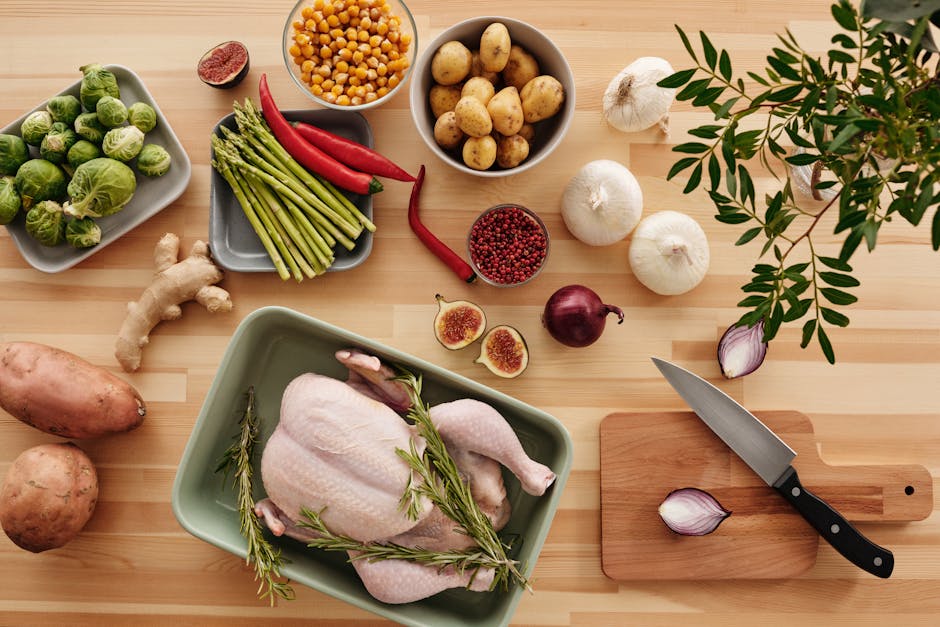
For the millions of Americans who dedicate Sunday afternoons to filling glass meal prep containers, vegetables often represent the most time-intensive and technically challenging component. Unlike proteins that generally require straightforward cooking methods, vegetables respond differently to heat, moisture, and time based on their cellular structure, water content, and density. Understanding these differences—and how various prep methods affect them, transforms meal prep from guesswork into reliable, consistent results.
This guide examines the primary vegetable preparation methods used in home meal prep, providing specific data, practical frameworks, and evidence-based comparisons to help you build a vegetable prep system that actually works for your schedule and taste preferences.
Understanding Vegetable Categories and Their Cooking Behaviors
Before examining specific methods, American meal preppers benefit from understanding why vegetables respond differently to heat. The USDA's FoodData Central database categorizes vegetables by their predominant macronutrient and water content, which directly correlates with appropriate cooking methods.
High-water vegetables(lettuce, cucumbers, tomatoes, bell peppers, zucchini) contain 90-95% water and excel when treated with quick, high-heat methods or consumed raw. Extended cooking causes these vegetables to become mushy and lose structural integrity.
Starchy vegetables(potatoes, corn, winter squash, carrots) contain significant starch content that transforms with heat. These vegetables often benefit from methods that allow time for starches to break down and convert to sugars, improving both texture and sweetness.
Fibrous vegetables(broccoli, cauliflower, green beans, asparagus, Brussels sprouts) contain structural cellulose that requires either extended cooking to soften or high heat to caramelize before the fiber becomes tough and chewy.
The Seven Core Prep Methods Compared
1. Roasting: The Workhorse Method
Roasting dominates American meal prep for good reason. This dry-heat method at temperatures between 375—F and 425—F achieves caramelization through the Maillard reaction, producing complex flavors that complement nearly any vegetable. The USDA's health guidelines cite roasting as particularly effective for retaining certain nutrients while improving digestibility.
Roasting works exceptionally well for dense vegetables: Brussels sprouts, carrots, potatoes, sweet potatoes, cauliflower, and broccoli. The high, dry heat concentrates sugars and creates appealing browning without excessive oil when using proper technique.
Time requirements:25-45 minutes depending on cut size
Meal prep suitability:Excellent. Roasted vegetables maintain quality for 4-5 days refrigerated and freeze well for extended storage.
2. Steaming: Nutrient Preservation
Steaming uses hot steam (typically 212—F at sea level) to cook vegetables with minimal water contact. The Academy of Nutrition and Dietetics notes that steaming preserves water-soluble vitamins (B-complex and vitamin C) more effectively than boiling, which can leach these nutrients into cooking water.
Steaming excels for vegetables where you want to preserve the fresh color and maintain a crisp-tender texture: broccoli, asparagus, green beans, carrots, and cauliflower. However, steamed vegetables often require additional seasoning since the cooking medium adds no flavor.
Time requirements:4-12 minutes depending on density
Meal prep suitability:Good. Steamed vegetables last 3-4 days refrigerated but do not freeze well, as the cellular structure breaks down during thawing, resulting in a mushy texture.
3. Blanching and Shockling
Blanching involves briefly cooking vegetables in boiling water (typically 1-3 minutes) followed immediately by plunging into ice water. This technique partially cooks vegetables while preserving color, texture, and nutritional content. The shocked vegetables can then be incorporated into dishes requiring further cooking or served cold.
Green beans, broccoli, peas, corn, and asparagus respond particularly well to blanching. Many meal preppers blanch vegetables intended for freezing, as the process deactivates enzymes that cause quality degradation during frozen storage.
Time requirements:1-5 minutes active cooking, plus preparation and ice bath
Meal prep suitability:Excellent when combined with shockling. Blanced vegetables maintain quality for 1-2 weeks frozen or 5-7 days refrigerated.
4. Saut—ing and Stir-Frying
These high-heat methods use small amounts of fat in a hot pan to rapidly cook vegetables while maintaining crisp-tender texture. Saut—ing typically uses lower heat (around 350—F) with occasional stirring, while stir-frying employs maximum heat (400—F+) with constant motion in a wok or large skillet.
Bell peppers, onions, mushrooms, zucchini, and leafy greens benefit most from these methods. The quick cooking preserves texture and allows for precise control over final doneness. Most meal preppers saut— vegetables on prep day, then reheat portions throughout the week.
Time requirements:3-8 minutes depending on cut size
Meal prep suitability:Good for 3-4 days refrigerated. Texture may soften slightly upon reheating.
5. Grilling
Grilling provides intense direct heat with characteristic char marks and smoky flavor development. This outdoor method works well for meal prep when batch-cooking on weekend afternoons, particularly for thick-cut vegetables that hold their shape: eggplant slices, zucchini planks, portobello mushrooms, corn on the cob, and bell pepper halves.
Grilled vegetables develop unique flavor compounds unavailable through other methods. The char contains compounds that research published in the Journal of Agricultural and Food Chemistry suggests may have anti-inflammatory properties.
Time requirements:8-15 minutes depending on thickness
Meal prep suitability:Excellent. Grilled vegetables maintain quality for 5 days refrigerated and can be frozen successfully for up to 3 months.
6. Raw Prep: Chops, Spirals, and Raws
Many vegetables require no cooking at all. Raw preparations, julienne cuts, spiralized noodles, thin slices for salads, or crudit— arrangements, preserve all nutritional content and provide textural variety in meal prep rotations. The CDC's dietary guidelines recommend that Americans consume at least half their vegetable intake as raw vegetables when possible.
Carrots, celery, cucumbers, bell peppers, cabbage, and leafy greens work particularly well in raw preparations. These vegetables can be prepped in advance with strategic storage methods to maintain freshness throughout the week.
Time requirements:Variable based on cut type, but typically 5-15 minutes for prep
Meal prep suitability:Highly variable. Some raw vegetables (carrots, celery, bell peppers) maintain well for 5-7 days when properly stored, while others (lettuce, cucumbers, tomatoes) degrade more rapidly and work best for 2-3 days.
7. Slow Cooking and Braising
These low-and-slow methods using moist heat (typically below 300—F) excel for tougher vegetables and those intended to absorb complex flavors from cooking liquids. Root vegetables, winter squash, cabbage, and dried beans respond well to extended cooking that breaks down cellular walls and creates fork-tender texture.
While less common in traditional meal prep, slow cooker vegetable preparations complement proteins cooked in the same vessel and provide convenient meal components for busy schedules.
Time requirements:4-8 hours on low setting
Meal prep suitability:Excellent for batch preparation. Braised vegetables maintain quality for 5-7 days refrigerated and freeze successfully.
Comparative Analysis: Method Selection Framework
Selecting the appropriate prep method requires balancing multiple factors: nutritional retention, textural preferences, storage duration, and time constraints. The following table provides direct comparisons across the methods most relevant to American meal prep.
| Method | Vitamin Retention | Texture After Storage | Prep Day Time | Best For Storage |
|---|---|---|---|---|
| Roasting (425—F) | 75-85% | Excellent (firm, flavorful) | Moderate (30-45 min) | 5 days refrigerated, 3 months frozen |
| Steaming | 80-90% | Good (slightly soft) | Low (8-15 min) | 4 days refrigerated, not recommended frozen |
| Blanching | 85-95% | Good (maintains structure) | Moderate (includes ice bath) | 7 days refrigerated, 12 months frozen |
| Saut—ing | 70-80% | Fair to Good (may soften) | Low to Moderate (5-10 min) | 4 days refrigerated, not recommended frozen |
| Grilling | 75-85% | Excellent (holds shape) | Moderate (10-15 min) | 5 days refrigerated, 3 months frozen |
| Raw Prep | 100% | Variable by vegetable | Variable (5-20 min) | 3-7 days depending on vegetable |
US-Specific Considerations for Meal Preppers
American meal preppers operate within a distinct food environment that shapes practical vegetable selection. Understanding these factors helps optimize both nutrition and budget.
Seasonal Availability and Cost
The USDA Market News reports significant seasonal price variations for most vegetables. For example, fresh broccoli averaged $1.89 per pound in summer months but rises to $2.79 in winter in most Midwestern and Northeastern markets. Meal preppers who adapt their weekly prep methods to seasonal produce can reduce food costs by 15-25% while still maintaining nutritional quality.
Frozen vegetables provide an excellent year-round alternative with costs typically 40-60% lower than fresh. The frozen vegetable market in the US, valued at over $4.5 billion annually, offers flash-frozen produce processed within hours of harvest, often with nutritional content matching or exceeding fresh produce that has traveled thousands of miles.
Portion Standards and USDA Guidelines
The current Dietary Guidelines for Americans recommend 2-3 cups of vegetables daily for most adults, with specific targets for vegetable subgroups. Meal prep systems that incorporate these guidelines help Americans consistently meet recommendations that, according to CDC data, only 9% of adults currently achieve.
A practical weekly framework for an individual following 2000-calorie guidelines might include:
- Dark green vegetables:1.5 cups weekly (broccoli, spinach, kale)
- Red and orange vegetables:5.5 cups weekly (carrots, bell peppers, tomatoes)
- Starchy vegetables:5 cups weekly (potatoes, corn, peas)
- Beans and peas:1.5 cups weekly (black beans, chickpeas)
- Other vegetables:4 cups weekly (cucumbers, onions, cabbage)
Regional Preferences and Cultural Considerations
Vegetable preparation preferences vary significantly across American regions. Southern meal prep often emphasizes slow-cooked greens and fried vegetables, while West Coast approaches favor raw preparations and light steaming. Midwestern meal prep typically centers on roasted and grilled vegetables. Understanding these preferences helps meal preppers design systems that align with their household's tastes.
"Meal prep doesn't mean eating the same sad salad from five identical containers. It means building a flexible system where you control the ingredients, portions, and preparation methods. The goal is consistency in your habits, not uniformity in your meals." ? Jordan Mitchell, RD
Building Your Vegetable Prep System
Effective vegetable prep systems balance multiple objectives: nutritional quality, time efficiency, storage stability, and meal variety. The following framework helps American meal preppers construct systems tailored to their specific circumstances.
Step 1: Audit Your Household's Preferences
Before purchasing vegetables or scheduling prep time, track which vegetables your household actually consumes over two weeks. Many meal preppers waste effort preparing vegetables that go unused. Create a "vegetable hit list" of 8-12 vegetables that your family consistently enjoys.
Step 2: Match Vegetables to Methods
Assign each vegetable to its optimal preparation method based on storage goals:
- Long-term storage (frozen):Blanched broccoli, cauliflower, green beans, peas; roasted corn, peppers
- Medium-term storage (5-7 days):Roasted root vegetables, grilled eggplant, slow-cooked cabbage
- Short-term storage (2-3 days):Steamed vegetables, most salads, raw preparations
Step 3: Designate Method-Specific Prep Days
Rather than attempting all methods in one prep session, distribute methods across your week. A practical schedule might include:
- Sunday:Roast and grill session (batch cook for week)
- Monday:Blanch session (prepare frozen backups)
- Wednesday:Fresh prep day (cut raw vegetables, prepare salads)
- Friday:Steam and saut— session (prepare for weekend meals)
Step 4: Implement Proper Storage Protocols
Storage method significantly impacts vegetable quality retention. General guidelines from the FDA and USDA include:
- Allow roasted and grilled vegetables to cool completely before refrigerating (prevents condensation and bacterial growth)
- Store cut vegetables in airtight containers with paper towels to absorb excess moisture
- Keep ethylene-producing vegetables (tomatoes, peppers, bananas) separate from ethylene-sensitive vegetables (broccoli, carrots, leafy greens)
- Maintain refrigerator temperature at 40—F or below
- Label all containers with contents and date prepared
Common Mistakes and How to Avoid Them
Even experienced meal preppers encounter preventable issues with vegetable preparation. Awareness of these common mistakes helps avoid wasted ingredients and disappointing results.
Overcrowding during cooking:Whether roasting, grilling, or saut—ing, overcrowding creates steam rather than caramelization. Vegetables release moisture that prevents browning and creates a steamed rather than roasted texture. Use sheet pans with at least 1 inch between pieces, or cook in batches if necessary.
Inconsistent sizing:Vegetables cook at different rates based on size. A meal prep container with some pieces underdone and others mushy results from inconsistent cuts. Invest time in achieving uniform sizing, bite-sized pieces should all be approximately the same dimensions.
Skipping seasoning adjustments:Vegetables lose intensity during storage. Prep day seasoning should account for flavor dilution. Season cooked vegetables with 10-15% more salt and consider adding fresh herbs or a squeeze of lemon juice before serving to brighten flavors.
Ignoring vegetable-specific requirements:Broccoli stems cook slower than florets. Carrot coins cook differently than carrot sticks. Bell peppers benefit from being roasted skin-side down. Each vegetable has characteristics that affect optimal preparation, researching these details separates good meal prep from excellent meal prep.
The Practical Takeaway
Vegetable prep methods each offer distinct advantages and limitations. The optimal approach depends on your specific circumstances: household preferences, storage capacity, time availability, and nutritional priorities.
Build your vegetable prep system by starting with one or two methods that align with your lifestyle. Roast and blanch methods offer the most flexibility for American meal preppers due to their excellent storage characteristics and nutrient retention. Add additional methods only as your system becomes established and sustainable.
Remember that the goal is consistent vegetable consumption, not culinary perfection. A system that reliably delivers roasted broccoli and steamed carrots to your work lunches accomplishes more than an ambitious system that burns out after two weeks.
The vegetables you prepare at home will almost always exceed the nutritional quality and portion control of restaurant or convenience options. Your investment in understanding these methods pays dividends in health outcomes, food costs, and the simple satisfaction of eating food you prepared yourself.