Using a slow cooker for hands-off prep
Why Slow Cooking Aligns With How Americans Actually Eat
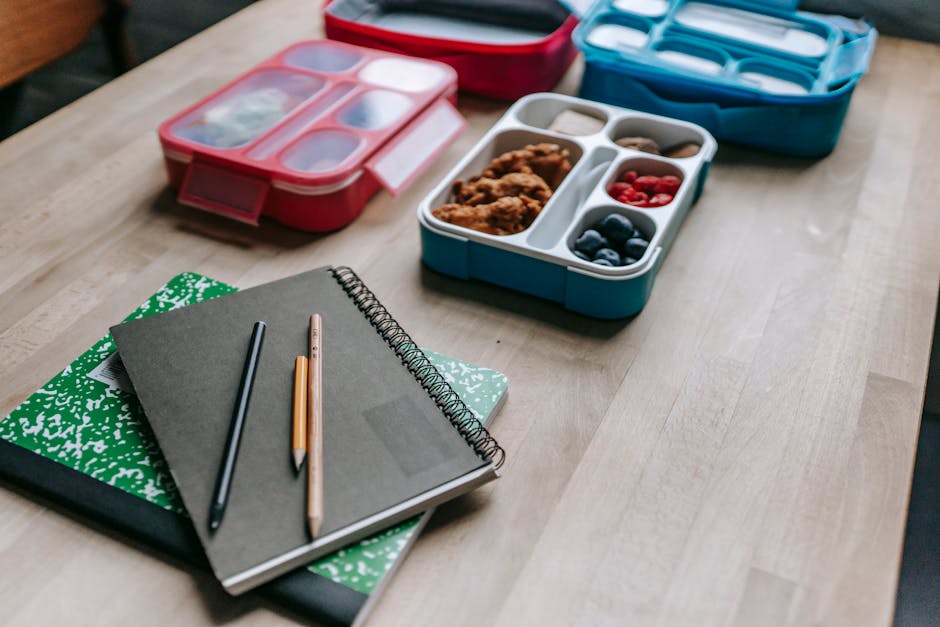
There's a running joke in meal prep communities that the best kitchen appliance for busy Americans isn't the Instant Pot or the air fryer—it's the slow cooker sitting forgotten in the back of a cabinet. After working with hundreds of clients in Chicago's Loop and the surrounding suburbs, I've watched this humble device transform from an afterthought into the centerpiece of their weekly food strategy.
The slow cooker operates on a simple principle: low, steady heat over extended hours transforms tough, inexpensive cuts of meat into tender, flavorful proteins while you attend to everything else on your plate. For meal prep purposes, this translates to setting up your cooker before your morning commute and returning home to perfectly cooked proteins ready for portioning into grab-and-go containers.
The average American eats dinner around 6:30 PM, according to Bureau of Labor Statistics time-use surveys, with significant portions of that meal consisting of protein-heavy dishes like pulled pork, shredded chicken, and beef stew. These are exactly the preparations where slow cookers excel. The extended cooking time breaks down collagen in tougher cuts, creating that fall-apart texture that makes meal prep proteins feel indulgent rather than utilitarian.
Batch Cooking Economics in 2024
The financial case for slow cooker meal prep becomes compelling when you examine wholesale pricing. A 3-pound boneless chuck roast at Costco runs approximately $3.49 per pound compared to $5.99 per pound at a conventional grocery store. Whole briskets at Sam's Club average $2.99 per pound versus $5.49 at regular outlets. These savings compound significantly when you're preparing proteins for a week of meals rather than a single dinner.
When I help clients build their meal prep systems, I focus on these high-volume purchases because the math becomes immediately favorable. Spending $10 on a large cut that yields four to five meals beats spending $8 on pre-cut portions that only cover two servings.
The Time Math That Actually Matters
Let me give you the actual numbers. A typical slow cooker meal involves 15 minutes of active prep time, 6 to 10 hours of unattended cooking, and approximately 10 minutes for portioning and cleanup. That's 25 minutes of direct attention for 4 to 5 days of food. Compare this to conventional cooking, where most stovetop or oven-based meals require 30 to 45 minutes of active engagement, multiplied across four to five sessions per week. The difference compounds to roughly 10 to 12 hours per month, time that goes directly back into your schedule.
Cost Comparison: Slow Cooker Batch vs. Daily Cooking
Based on USDA food price data from March 2024, here is how batch cooking with a slow cooker compares to daily meal preparation:
- Average cost per pound of boneless chuck roast at warehouse clubs: $3.29
- Average cost per pound at conventional grocery stores: $5.79
- Average cost per pound of chicken thighs at warehouse clubs: $1.49
- Average cost per pound at conventional grocery stores: $2.29
These differences add up significantly when you're buying 3 to 5 pounds at a time for weekly batch cooking. A family of four spending $40 on proteins at a warehouse club versus $65 at a regular store saves $25 weekly, or $1,300 annually.
Setting Up Your Slow Cooker for Meal Prep Success
Not all slow cookers are created equal when it comes to batch cooking. The math here is straightforward: a 4-quart model works adequately for individuals or couples, a 6-quart handles most family needs, and 7 to 8-quart units become necessary for serious batch prep operations. If you're cooking for one but want 4 to 5 days of food, opt for the larger size—the slow cooker fills more efficiently at lower fill levels, leading to more consistent cooking results.
Essential Equipment Beyond the Base Unit
Beyond the slow cooker itself, successful meal prep requires a few supporting tools. Meal prep containers in glass or BPA-free plastic, sized at 16 to 24 ounces per portion, form the foundation. A digital kitchen scale allows accurate portioning, which matters when you're trying to hit specific protein targets. An instant-read thermometer removes the guesswork from doneness checks. Finally, slow cooker liners, available at any Target, Walmart, or grocery store, simplify cleanup dramatically and should factor into your weekly planning.
Temperature Fundamentals: What You Need to Know
The USDA sets safe internal temperatures that govern all food handling decisions. Poultry requires 165—F throughout, ground meats need 160—F, and whole muscle cuts like roasts should reach 145—F followed by a three-minute rest period. Your slow cooker's low setting maintains approximately 190 to 200—F at the vessel surface, with the liquid contents hovering around 210—F, more than adequate for food safety when proper handling procedures are followed.
Slow Cooker Temperature Settings and Timing
| Setting | Typical Temperature | Best For | Hours for 3-4 lb Protein |
|---|---|---|---|
| Low | 190-200—F | Larger cuts, tough meats, grains, beans | 7-9 hours |
| High | 300-315—F | Quick cooking, melting cheese, leftovers | 3-4 hours |
| Warm | 165-175—F | Holding finished food | Indefinite (up to 4 hours) |
The high setting exists for speed, not for extended cooking. If you're using high for proteins that need 6+ hours, you'll overcook them. Reserve high for melting cheese on prepared dishes, reheating already-cooked food, or getting soups up to serving temperature quickly.
Building a Weekly Meal Prep Framework Around Your Slow Cooker
The real power of slow cooker meal prep emerges when you design your week around it rather than treating it as an afterthought. I've developed a framework that works consistently for my clients, built around three principles: choose flexible proteins, build complementary starches separately, and prepare sauces and fresh components on demand.
Step 1: Select Proteins That Work Hard
Not all proteins are created equal for slow cooking. Chicken thighs outperform chicken breasts because they retain moisture and develop richer flavor over long cook times. Bone-in cuts cost less and yield more tender meat. Pork shoulder and beef chuck provide excellent value and transform completely in the slow cooker environment. Ground turkey and chicken work well when combined with sufficient liquid to prevent the dreaded dry texture.
Step 2: Build Starches Separately
This is where many slow cooker meal prep systems fall apart. Cooking rice or pasta in the slow cooker alongside protein typically results in overcooked starches or soggy textures. Instead, prepare your grains in a separate rice cooker, on the stovetop, or in an Instant Pot. This separation gives you complete control over texture and allows you to prepare grains in larger batches that keep well throughout the week.
Step 3: Keep Fresh Components Separate
Sauces, fresh herbs, quick-cooked vegetables, and toppings should be prepared as needed rather than batched in advance. This prevents the textural degradation that occurs when these components sit pre-assembled. Make your sauce on Sunday, but wait until Wednesday to chop your salad greens or slice your raw vegetables.
Three Weekday Meal Prep Organizer You Can Start This Week
Let me give you three specific frameworks that work within the slow cooker system. Each is designed for a different lifestyle and household size.
System A: The 5-Day Workweek Plan
This works best for individuals or couples where one person handles cooking for both. On Sunday morning, place 2.5 pounds of chicken thighs with eight ounces of chicken broth, one diced onion, four cloves of minced garlic, and your choice of spices in the slow cooker on low for eight hours. When done, shred the chicken and divide it into five containers, each containing approximately eight ounces of protein. Store these in the refrigerator.
For the week, pair your chicken with five different bases: brown rice, quinoa, mixed greens, whole wheat pasta, and corn tortillas. Each day gets a different sauce, teriyaki, buffalo, pesto, tahini-lemon, and salsa verde. Vegetables get prepared fresh each night or as part of a Wednesday evening prep session. This system provides complete variety while requiring only one hour of total active prep time.
System B: The Family Batch Plan
For households of four to six, scale up accordingly. Sunday prep might include an eight-pound pork shoulder cooked low for ten hours, yielding approximately 32 four-ounce portions. Accompany this with two large containers of cooked rice, four containers of roasted frozen vegetables from Trader Joe's or your preferred grocery store, and a batch of homemade salsa. Monday becomes tacos, Wednesday turns into rice bowls, Friday features wraps—the protein carries through while everything else rotates around it.
System C: The Mix-and-Match System
For households with different dietary preferences or schedules, build a rotation of three slow cooker proteins across the week, chicken on Monday, beef on Wednesday, beans on Friday. Each protein prepares once and yields four to six portions. Family members then combine proteins with their choice of bases, vegetables, and sauces from a prepped pantry. This flexible system accommodates keto, low-sodium, and plant-forward eating patterns within the same household without requiring separate meal preparations.
Safety and Storage: What USDA Guidelines Actually Say
Proper food handling matters, particularly when batch cooking. Hot food should move to shallow containers and go into the refrigerator within two hours of cooking. In summer months or if your kitchen runs warm, reduce this window to one hour. The two-hour rule applies universally according to USDA standards, bacteria multiply rapidly between 40—F and 140—F, and you want food moving through that danger zone as quickly as possible.
Frozen portions keep for three to four months at 0—F or below, though quality begins declining after two months. Label everything with the contents and date using painter's tape or removable labels. Refrigerated portions stay safe for four days, which aligns perfectly with most meal prep cycles. Beyond four days, either freeze the remaining portions or recalculate your batch sizes.
The "Danger Zone" in Practical Terms
Let me be concrete here. You finish cooking at 3:00 PM. By 5:00 PM, food needs to be in the refrigerator. If you're at work and won't be home until 6:00 PM, either cook overnight on low (10 hours fits most schedules) or use a container with ice packs in a cooler to rapidly cool the food while you're away. These aren't complicated solutions, but they require advance planning.
Meal Prep Storage Guidelines (USDA-Based)
| Food Type | Refrigerator (40—F or below) | Freezer (0—F or below) | Reheating Temperature |
|---|---|---|---|
| Cooked poultry | 3-4 days | 2-3 months | 165—F |
| Cooked beef/pork | 3-4 days | 2-3 months | 145—F minimum |
| Cooked grains | 4-5 days | 2-3 months | 165—F |
| Cooked beans | 4-5 days | 2-3 months | 165—F |
Real-World Results: What to Actually Expect
Clients who adopt slow cooker meal prep consistently report saving 5 to 8 hours per week on cooking and cleanup combined. Grocery costs typically drop 15 to 25 percent because buying in