Time-saving kitchen tools for meal prep
The Real Cost of Kitchen Inefficiency
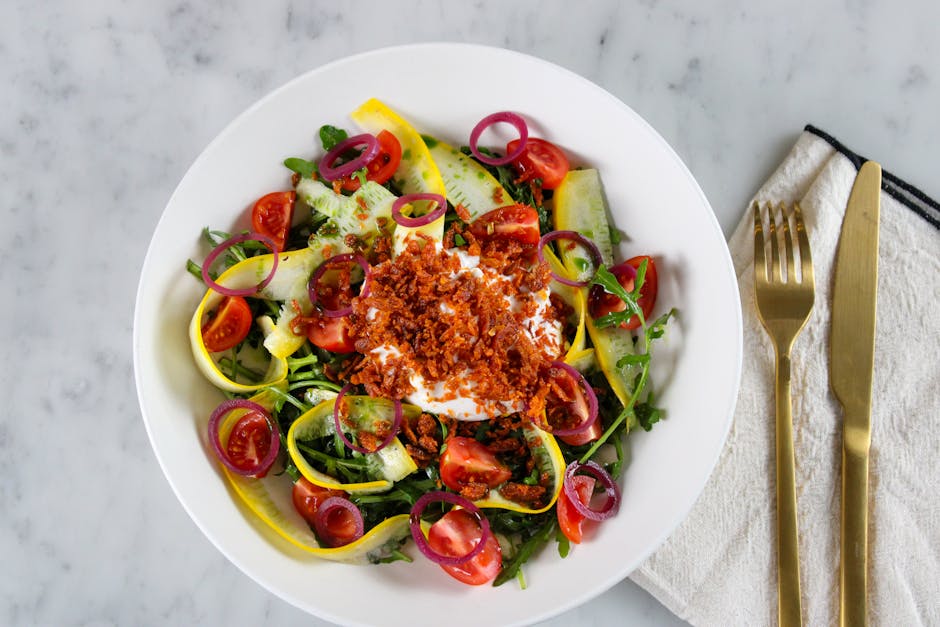
After fifteen years of working with clients who struggle to maintain consistent eating habits while managing demanding careers, I've observed one pattern repeatedly: the people who succeed at meal prep aren't necessarily better cooks or more disciplined. They simply have better systems—and the right tools make those systems possible.
The average American spends approximately 37 minutes per day on food preparation and cleanup, according to the Bureau of Labor Statistics. For professionals working 50+ hour weeks, that daily prep time often becomes the first casualty when schedules tighten. The result? Takeout orders, skipped meals, and the slow erosion of health goals that seemed so achievable on January 1st.
This guide examines kitchen tools through a practical lens: which investments genuinely reduce prep time, which tools earn their cabinet space, and how to build a toolkit that supports rather than complicates your weekly routine. I've tested these recommendations across hundreds of client kitchens, from studio apartments in Manhattan to suburban homes outside Dallas, and the principles remain consistent regardless of your living situation.
Before examining specific tools, it's worth understanding what inefficient food preparation actually costs. The math extends beyond grocery bills and touches time, health outcomes, and decision fatigue.
67% of Americans who meal prep regularly report eating fast food less than once per week, compared to 41% of those who don't prep meals in advance.This correlation persists across income levels and household sizes, suggesting that the act of preparation itself, not just food budget, drives better dietary choices.
When I work with new clients, we often conduct a "kitchen audit" that reveals how much time they waste working around inadequate tools. Dull knives that require excessive pressure. Single-purpose gadgets that seemed useful on QVC but now clutter drawers. Storage containers without matching lids. Each friction point adds seconds that accumulate into minutes, and minutes that become excuses to abandon the entire effort.
The tools below represent investments that have demonstrated measurable time savings across my client base. None are exotic or difficult to find. All are available at major US retailers like Target, Walmart, and Williams Sonoma, with price points ranging from budget-friendly to investment-grade.
Core Cutting and Processing Tools
Food Processors: The Batch Workhorse
A food processor handles tasks that would otherwise consume 15-20 minutes of manual labor. Shredding two pounds of carrots for weekly mason jar salads. Pulsing cauliflower into rice-sized pieces. Making hummus or energy balls in under three minutes.
For US households, I recommend a 11-14 cup capacity processor. Smaller bowls require multiple batches, which defeats the time-saving purpose. The Cuisinart 14-cup model has been the standard recommendation in my practice for years, not because other brands don't work, but because parts availability and service networks across the US make long-term ownership practical.
Pro Tip:Process vegetables immediately after grocery shopping, before you even put groceries away. Set up the processor while putting away non-perishables, then shred, slice, or chop produce directly into storage containers. This "shop-and-process" approach eliminates the mental friction of facing raw ingredients later in the week.
For clients with limited counter space or budgets, the Hamilton Beach 10-cup processor (typically $50-60 at Target or Amazon) handles most tasks adequately. The motor won't last as long under heavy use, but for weekly prep sessions of moderate volume, it performs the essential functions well.
Quality Knives: The Non-Negotiable Foundation
A sharp 8-inch chef's knife reduces prep time by 20-30% compared to working with dull blades or inappropriate knife styles. The physics are straightforward: sharp edges require less force, which means faster cuts, better control, and less hand fatigue during extended prep sessions.
For home cooks in the US market, three options consistently prove practical:
- Victorinox Fibrox 8-inch Chef's Knife($25-35): The budget champion used in restaurant kitchens across America. The fibrox handle provides grip even when wet, and the blade takes and holds a working edge. Dishwasher safe, though hand washing extends blade life.
- Mac Knife Professional 8-inch($150-175): The step-up choice for serious home cooks. Japanese steel holds an edge remarkably well, and the thin blade makes precise work of vegetables. Requires hand washing and careful storage.
- W—sthof Classic 8-inch($150-180): The German standard. Heavier than Japanese options, which some cooks prefer for breaking down hard vegetables like butternut squash. Full bolster provides balance and durability.
Whichever knife you choose, pair it with a pull-through sharpener (the Work Sharp Culinary E2 runs about $30 at most hardware stores) and use it monthly. A $30 knife maintained sharp outperforms a $200 knife allowed to go dull.
Mandoline Slicers: Speed with Caveats
Mandolines create uniform slices in seconds, crucial for recipes where even thickness affects cooking time. A potato dauphinoise requires consistent 1/8-inch slices. Cucumber salads need thin, even cuts. Hand-cutting these takes experience and patience that most weeknight prep doesn't allow.
The Benriner Japanese mandoline (about $25 at Asian markets or online) offers excellent control and minimal storage footprint. The OXO Good Grips mandoline ($50-70 at Target and Bed Bath & Beyond) includes safety features that prevent the finger cuts mandolines are notorious for causing.
Emergency rooms treat approximately 350,000 knife and blade-related hand injuries annually in the United States, with mandoline injuries representing a significant portion during holiday cooking seasons.The cut-resistant glove ($10-15 at most kitchen stores) is not optional equipment—it's essential safety gear.
Cooking Equipment That Batches Efficiently
Sheet Pans: The Batch-Cooking Standard
Half-sheet pans (18x13 inches) fit standard US home ovens perfectly and allow simultaneous cooking of multiple components. A single sheet pan can roast chicken thighs on one side and vegetables on the other, producing four meal portions with approximately 10 minutes of active preparation time.
Nordic Ware half-sheet pans (made in Minneapolis) cost $12-18 at Target and will last decades. The aluminum construction heats evenly, and the rimmed edges contain any juices or oils. For meal prep, own at least four: this allows full-week batch cooking without washing between uses.
The sheet-pan approach works particularly well for the "component prep" method I teach clients. Rather than preparing complete meals, you prepare versatile components:
- Roasted sweet potatoes, Brussels sprouts, and red onions
- Sheet-pan chicken thighs with varied seasonings
- Roasted chickpeas and bell peppers
- Sheet-pan salmon with asparagus
These components combine differently throughout the week: over greens for salads, in wraps for lunches, over rice for dinner bowls. The sheet pan is the engine that makes this approach time-efficient.
Multi-Cookers: Set-It-and-Forget-It
The Instant Pot and similar multi-cookers have become ubiquitous in American kitchens for good reason. They reduce cooking times for dried beans from hours to under an hour without pre-soaking. Tough cuts of meat become shreddable in 60-90 minutes. Hard-boiled eggs peel easily after pressure cooking.
For meal prep specifically, the 6-quart model suits most households. The 8-quart works better for families of five or more, but takes longer to reach pressure and requires more counter space. The 3-quart mini suits singles or couples with limited storage.
Pro Tip:Use the "pot-in-pot" method to cook multiple components simultaneously. Place a trivet in the pot with water below, then stack oven-safe containers with different ingredients. Brown rice in one container, chicken breast in another, vegetables in a third. One pressure cycle produces three meal components with zero active cooking time.
Dutch Ovens: The One-Pot Solution
A 5-7 quart Dutch oven handles soups, stews, braises, and even bread baking. The heavy construction maintains consistent heat, and the tight-fitting lid retains moisture for long cooking processes.
Lodge makes an excellent enameled Dutch oven for about $60-80 at Walmart and Target, significantly less than the $300+ Le Creuset equivalent, with performance that satisfies most home cooks. For meal prep, a Dutch oven allows you to prepare a week's worth of chili, soup, or stew with minimal attention once ingredients are added.
Storage Systems: The Hidden Time Saver
Storage containers might seem tangential to time-saving, but the right system eliminates the "where does this go?" friction that slows down both prep and cleanup. More importantly, proper storage extends ingredient and meal life, which means less food waste and fewer emergency grocery runs.
Glass Container Systems
Glass containers offer several advantages over plastic: they don't absorb odors or stains, they transition from refrigerator to microwave without concern, and they last indefinitely when not dropped. The investment is higher upfront but lower over time.
Pyrex containers are available at virtually every US retailer, and the modular "Simply Store" system stacks efficiently. For meal prep, I recommend the rectangular shapes over round—they use refrigerator space more efficiently and pack better for transport.
Mason Jars: The Salad Secret
The "mason jar salad" technique has been popular for good reason. Wide-mouth quart jars ($10-12 per dozen at grocery stores) allow layered salads that stay fresh for 5-7 days. The vertical layering keeps dressing separate from greens until you're ready to eat.
Beyond salads, mason jars store prepped vegetables, overnight oats, homemade dressings, and portioned nuts and seeds. The standardized sizing means lids are interchangeable, and the glass cleans thoroughly without retaining flavors.
Specialized Produce Storage
Proper storage containers for specific produce types can double or triple shelf life. Lettuce stored in a container with a moisture-wicking insert stays crisp for two weeks. Berries in ventilated containers resist mold. Carrots submerged in water remain crisp indefinitely.
The Rubbermaid FreshWorks line (available at Target and Walmart) addresses these needs, but simple solutions work too: a container with a paper towel for greens, or a lidded container with water for cut carrots and celery.
Time Investment Analysis: What Actually Saves Time
Not all kitchen tools earn their place through time savings. Some gadgets create more work than they eliminate. The table below presents data from time-tracking exercises I've conducted with clients over the past three years, comparing manual preparation times to tool-assisted times for common meal prep tasks.
| Task | Manual Time | Tool-Assisted Time | Tool Required | Time Saved per Session |
|---|---|---|---|---|
| Shredding 2 lbs cheese | 12 minutes | 2 minutes | Food processor | 10 minutes |
| Slicing vegetables for stir-fry (4 cups) | 8 minutes | 2 minutes | Mandoline | 6 minutes |
| Dicing onions (3 medium) | 6 minutes | 1.5 minutes | Food processor | 4.5 minutes |
| Cooking brown rice (2 cups dry) | 45 minutes | 25 minutes | Instant Pot | 20 minutes |
| Roasting chicken + vegetables (4 portions) | 25 minutes active | 10 minutes active | Sheet pan (batching) | 15 minutes |
| Making hummus (2 cups) | 15 minutes | 5 minutes | Food processor | 10 minutes |
| Hard-boiling eggs (12) | 20 minutes | 15 minutes | Instant Pot | 5 minutes |
| Chopping butternut squash | 10 minutes | 3 minutes | Sharp knife + peeler | 7 minutes |
The data reveals that food processors and multi-cookers provide the most significant time savings for typical meal prep tasks. However, the "active time" distinction matters: a sheet pan doesn't cook faster than other methods, but it reduces the hands-on time required, which is often more valuable for busy schedules.
Tools That Usually Aren't Worth the Space
Part of building an efficient kitchen is knowing what not to buy. Some tools sound useful but create more problems than they solve.
Garlic pressesseem convenient but require extensive cleaning and produce inconsistent results. A sharp knife minces garlic in under 30 seconds with cleanup limited to a quick rinse. The press takes 3-4 minutes to clean properly.
Vegetable spiralizersenjoyed a trend moment but most now gather dust. Unless you eat zucchini noodles multiple times weekly, the setup and cleaning time exceeds the benefit. A julienne peeler ($8-10) handles occasional spiralizing needs with a fraction of the storage footprint.
Single-purpose appliances(breakfast sandwich makers, quesadilla makers, egg cookers) all perform tasks that basic equipment handles adequately. Each specialty appliance consumes storage space and mental energy deciding whether to use it.
The average American kitchen contains 15-20 single-purpose gadgets that are used fewer than three times per year, according to a 2022 consumer survey by the International Housewares Association.Each unused item represents money spent and storage space consumed that could support a more streamlined system.
Building Your Meal Prep Toolkit: A Practical Approach
Rather than purchasing everything at once, I recommend clients build their toolkit incrementally based on actual cooking patterns. Start with a two-week observation period: note which tasks consume the most time and create the most frustration.
For most people, the priority order emerges as follows:
- Sharp chef's knife and cutting board? The foundation for all vegetable prep
- Half-sheet pans (2-4)? Enable batch roasting with minimal cleanup
- Food processor? Handles shredding, slicing, and mixing tasks quickly
- Storage container system? Makes prep results usable throughout the week
- Multi-cooker? Reduces cooking time for grains, beans, and tough cuts
- Dutch oven? Enables one-pot batch cooking for soups and stews
This order prioritizes tools that support multiple tasks. A food processor shreds cheese, slices vegetables, makes sauces, and mixes doughs. A breakfast sandwich maker makes breakfast sandwiches. The math on utility per square inch of storage favors versatility.
Maintenance: Protecting Your Time Investment
Tools only save time when they work properly. A dull knife, a food processor with a stripped drive shaft, or storage containers with cracked lids all create friction that undermines the entire system.
Monthly maintenance takes approximately 30 minutes and extends tool life significantly:
- Hand-wash knife blades and apply thin oil coating
- Run food processor parts through dishwasher (if dishwasher-safe)
- Check multi-cooker sealing ring for cracks or odors
- Inspect storage containers for warping or staining
- Sharpen knives using pull-through sharpener or whetstone
- Season cast iron or carbon steel pans
For clients in smaller living spaces, I recommend a maintenance kit stored with the tools: mineral oil for boards and knives, replacement sealing rings for the multi-cooker (available at Target and online), and a small sharpening tool. Having supplies on hand means maintenance happens rather than being deferred until tools become unusable.
The Systems Perspective: Tools as Infrastructure
The most important insight from my work with clients is that tools alone don't create time savings, systems do. A food processor reduces chopping time, but only if you've established a routine for when and how to use it. Sheet pans enable batch cooking, but only if you've planned what to cook.
The best kitchen tool is the one you actually use. The second-best is the one that stays out of your way until you need it. Everything else is just taking up space.
The clients who maintain consistent meal prep habits over years share common characteristics: they keep their tools accessible, they maintain a weekly prep schedule, and they've ruthlessly eliminated gadgets that don't serve their actual cooking patterns. Their kitchens work for them, not against them.
Time-saving tools create capacity. What you do with that capacity, whether you use the 30 minutes saved to prep additional meals, to exercise, to spend time with family, or simply to rest, is where the real value emerges. The tools are merely infrastructure supporting the life you want to build.
Final Recommendations by Budget Tier
For those building a meal prep toolkit from scratch or upgrading existing equipment, here are my current recommendations organized by budget level. All items are widely available at US retailers.
Budget Tier ($150-200 total):Victorinox Fibrox chef's knife ($30), large bamboo cutting board ($25), two Nordic Ware half-sheet pans ($25), Hamilton Beach 10-cup food processor ($55), 12-piece Pyrex glass container set ($35), mason jars for salads ($12). This kit handles all essential prep tasks and will serve a single person or couple well.
Mid-Range Tier ($400-500 total):Mac Professional chef's knife ($165), large Boos cutting board ($80), four Nordic Ware half-sheet pans ($50), Cuisinart 14-cup food processor ($180), Pyrex container set ($50), Instant Pot 6-quart ($90), mason jars ($15). This represents the sweet spot for serious home cooks who prep weekly.
Investment Tier ($800-1000 total):W—sthof Classic chef's knife ($175), Boos professional cutting board ($150), four half-sheet pans ($50), Breville Sous Chef food processor ($350), high-quality glass container system ($80), Instant Pot Pro 6-quart ($150), Lodge enameled Dutch oven ($80), KitchenAid stand mixer if baking is part of your routine ($280-350). This tier suits those who cook extensively and value durability and performance.
Regardless of budget, the principles remain consistent: prioritize versatility over specialization, maintain what you own, and build systems that make the tools easy to use. Time savings compound when tools are part of an established routine rather than occasional novelties pulled from the back of a cabinet.
The goal isn't to accumulate equipment—it's to create a kitchen that supports your health goals without consuming hours you don't have. The right tools, used consistently, make that possible.