Sunday Prep vs. Daily Prep: Pros and Cons
Understanding the Two Main Approaches
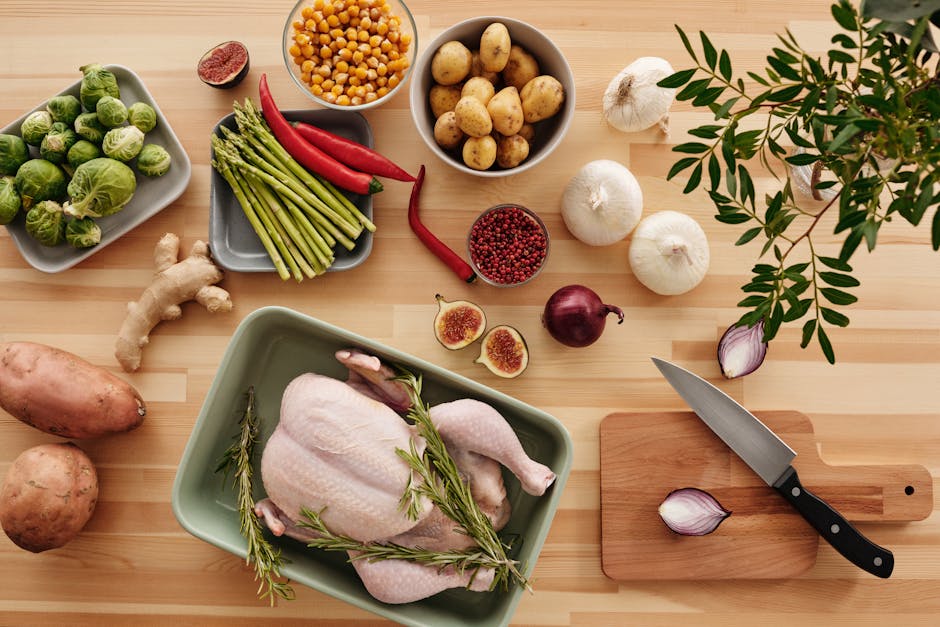
When you're trying to eat healthier while managing a demanding career, the question of when to prepare your meals can feel deceptively simple. Cook everything on Sunday and you're set for the week, or so the thinking goes. Prepare each day's food fresh and you get maximum flavor and variety. Both approaches have passionate advocates, but the reality is more nuanced, and the "right" choice depends heavily on your work schedule, kitchen setup, storage capacity, and lifestyle demands.
As a registered dietitian who works with busy professionals across Chicago and the broader Midwest, I help clients build sustainable meal systems that actually fit into their lives. After years of coaching people through grocery store aisles and kitchen logistics, I can tell you that the battle between Sunday meal prep and daily preparation isn't won by one side universally. It's won by understanding your own constraints and matching your approach accordingly.
Before examining specific pros and cons, let's define what we mean by each system. Sunday meal prep typically involves dedicating two to four hours over the weekend, usually Sunday morning or early afternoon, to batch cooking multiple components that will carry you through most of the workweek. You'll often prepare proteins, grains, and vegetables in large quantities, portion them into containers, and store them in the refrigerator or freezer for later use.
Daily preparation, conversely, means cooking in smaller batches throughout the week, often in the evening after work or even in the morning before heading to the office. This approach emphasizes cooking what you need for that day or perhaps the next day, maintaining freshness and variety without relying heavily on storage.
Neither approach is inherently superior. What matters is how well either system aligns with your actual life—the hours you work, your access to cooking equipment, your household situation, and frankly, your tolerance for eating the same roasted chicken four days in a row.
Sunday Prep: The Case for Batch Cooking
Advantages of Sunday Meal Preparation
The most obvious benefit of Sunday prep is the economy of scale. When you cook a large batch of brown rice, you're using the same energy, water, and mental effort that you'd spend making a small portion, but you're generating five days' worth of servings instead of one. From a pure efficiency standpoint, this math works heavily in favor of batch cooking.
Data Point:The average American professional spends 47 minutes per day on meal preparation and cleanup. When batch cooking on Sundays, that daily average drops to approximately 12 minutes per day across a five-day workweek, resulting in nearly 3 hours of time reclaimed weekly.
Sunday prep also provides a psychological buffer. When you come home exhausted after a grueling meeting marathon or a commute from downtown to the suburbs that stretched past an hour, having a ready-made container of pre-cooked chicken and vegetables removes the temptation to order takeout. The decision has already been made. You simply need to reheat and eat.
For households with multiple people to feed, Sunday prep creates consistency. Parents working in cities like Houston, Dallas, or Phoenix, where commutes often exceed 30 minutes each way, find that Sunday batch cooking ensures their teenagers have access to nutritious meals even when everyone operates on different schedules. There's no waiting for someone to cook; the food is simply there.
Challenges with Sunday Meal Preparation
Food freshness becomes the primary concern with Sunday prep. While properly stored proteins and vegetables can remain safe to eat for four to five days in the refrigerator, texture and flavor deteriorate noticeably by day four or five. That crisp broccoli you roasted on Sunday afternoon has transformed into something significantly softer by Thursday lunch.
Storage space presents a practical challenge that many people underestimate. A week's worth of meal prep for one person might require eight to twelve containers. For a family of four, you're looking at a refrigerator stuffed with plastic and glass containers, and you'll need dedicated freezer space for overflow. Apartment dwellers in cities like New York, San Francisco, or Boston often lack the cabinet and counter space to spread out and work efficiently on a Sunday morning.
Pro Tip:If you're limited on storage containers, invest in a set of nesting containers that stack efficiently. Look for containers with removable dividers that give you flexibility between whole meals and component storage. On the storage front, glass containers with snap-lock lids tend to survive the journey from counter to refrigerator to microwave better than plastic alternatives, which can warp and develop odors over time.
There's also the issue of variety, or rather, the lack of it. Eating the same chili, chicken, and rice combination for five consecutive days drives some people to distraction. While you can certainly mix and match components, the underlying sameness of the protein sources and cooking methods can make meals feel repetitive. This isn't just about palate satisfaction; research on dietary monotony suggests that eating the same foods repeatedly can reduce satiety signals and actually increase cravings for more varied, often less healthy, options.
Daily Prep: Cooking Fresh for the Week Ahead
Advantages of Daily Meal Preparation
Freshness is the obvious winner in the daily prep column. A piece of salmon cooked at 6 PM and eaten by 7 PM bears little resemblance to salmon that was cooked Sunday morning and reheated on Thursday evening. The texture, flavor, and nutritional integrity of food prepared and consumed within hours of cooking simply cannot be matched by food stored for days.
Variety becomes effortless with daily prep. You can commit to trying new recipes without committing to eating them five times. This approach keeps meals interesting and prevents the "food fatigue" that derails many meal preppers after a few weeks. For people who find cooking enjoyable rather than a chore, daily prep offers the pleasure of the process without the burden of repetition.
Data Point:A 2023 survey of meal preppers conducted by the Food Marketing Institute found that 34% of those who abandoned meal prep entirely did so within the first six weeks, citing "boring repetitive meals" as their primary reason for quitting. Daily prep users reported 62% higher satisfaction with meal variety compared to batch cookers.
Daily prep also reduces food waste for many households. When you cook only what you need for one or two days, overbuying becomes less likely. You're purchasing smaller quantities of fresh ingredients, which fits naturally into typical grocery shopping patterns for produce and proteins.
Challenges with Daily Meal Preparation
Time becomes the critical bottleneck with daily prep. After a full workday—especially if that workday includes commuting time that can stretch past 90 minutes in major metropolitan areas—the idea of standing at a stove for 30 to 45 minutes to cook dinner can feel overwhelming. You're not just cooking dinner; you're often packing tomorrow's lunch at the same time, which compounds the time pressure.
The mental load of daily decision-making also accumulates. Every single day, you need to decide what to make, confirm you have the ingredients, and execute the cooking process. This daily recurring decision point exhausts some people more than the actual cooking does. The cognitive overhead of meal planning becomes a significant factor rather than a one-time Sunday investment.
For those working in offices without reliable microwave access or with limited lunch break duration, daily prep can create logistical problems. If your lunch window is only 30 minutes and you need to heat food for five to ten minutes, you're left with minimal eating time. Sunday prep allows you to portion food into microwave-safe containers designed for quick heating; daily prep might mean carrying less convenient packaging.
A Direct Comparison: What the Numbers Show
To help you make an informed decision, here's a practical comparison of key factors across both approaches, based on typical US professional scenarios:
| Factor | Sunday Prep | Daily Prep |
|---|---|---|
| Weekly time investment | 2-4 hours (one session) | 5-7 hours (spread daily) |
| Daily prep time during week | 5-10 minutes (reheat only) | 20-45 minutes (full cooking) |
| Food freshness (Day 3-5) | Moderate decline in texture | Peak freshness maintained |
| Variety potential | Limited without extra effort | High naturally |
| Waste risk | Higher if plans change | Lower, more flexible |
| Best for | Rigid schedules, multiple people | Flexible schedules, cooking enthusiasts |
| Storage requirements | Significant refrigerator/freezer space | Minimal storage needed |
Pro Tip:Don't view these approaches as mutually exclusive. Many of my most successful clients use a hybrid system: they batch-prep components like grains, roasted vegetables, and proteins on Sunday, then assemble and finish dishes fresh during the week. For example, Sunday-prepped rice becomes a base for a stir-fry with fresh vegetables cooked Monday evening. This combines the efficiency of batch cooking with the freshness of daily preparation.
Choosing the Right System for Your Life
The decision ultimately comes down to matching your preparation method to your actual circumstances. Let me walk you through a practical framework for making this choice.
Consider Your Work Schedule
If you work a consistent 9-to-5 schedule and typically leave the office by 5:30 or 6 PM, you have approximately two to three hours of usable evening time before fatigue and the next day's preparation demands take over. This window is manageable for daily prep if you're making simple, quick-cooking meals. However, if your schedule varies significantly by day, some days you're home by 5 PM, others you're working until 8 PM, a consistent Sunday prep routine provides more reliable results.
Healthcare workers, retail managers, and anyone in client services where "closing" means 9 PM should strongly consider Sunday prep. The unpredictability of your schedule makes daily cooking unreliable at best.
Evaluate Your Kitchen Setup
Your cooking environment matters more than people realize. If you have a cramped galley kitchen in a city apartment with minimal counter space, batch cooking becomes physically awkward. You can't easily spread out multiple cutting boards, mixing bowls, and ingredients when you're navigating around a refrigerator door that swings six inches from your stovetop.
Conversely, if you have a well-organized kitchen with good counter space, a reliable oven, and instant-read thermometers for checking protein doneness, you have the infrastructure for efficient Sunday cooking. Consider whether your kitchen makes you feel productive or constrained.
Assess Your Household Dynamics
Single-person households have more flexibility but also face unique challenges. Batch cooking for one means eating the same meal multiple times, potentially for every single lunch and dinner for several days. This repetition is manageable for some, intolerable for others.
Families with children face additional complexity. Kids may reject "the same thing" three days running, creating pressure to prepare separate meals. Sunday prep for families often works better when components are more interchangeable, a protein, a grain, and a vegetable that can be combined in different ways rather than one fixed dish.
Data Point:According to the US Bureau of Labor Statistics, households with children under 18 spend an average of 37 minutes per day on food preparation, compared to 23 minutes for single-person households without children. Families have less time available per person, making the time-efficiency of Sunday prep more valuable, but also making it harder to find the two to four hours needed for batch cooking.
Building Your Meal Prep Action Plan
Regardless of which approach you choose, success requires planning. Here's a checklist to help you move from reading about meal prep to actually implementing it:
- Audit your current eating patterns.Track what you actually eat for two weeks before changing anything. Know your baseline.
- Identify your biggest pain points.Is it time? Money? Healthy options? The specific problem you're solving should drive your solution.
- Start small.Don't attempt a full week of Sunday prep on your first attempt. Start with two days' worth of meals and build from there.
- Stock your container drawer.Before you start cooking, ensure you have enough storage containers for your planned system. Running out of containers mid-prep derails everything.
- Calculate your true time budget.Be honest about how much time you actually have. If you claim you have two hours Sunday but you're also managing kids' activities, you're setting yourself up for failure.
- Choose a prep day and protect it.Whether Sunday, Saturday morning, or Friday evening, designate your prep time as non-negotiable on your calendar.
- Plan for one "off" meal daily.Build flexibility into your system. If you planned to eat prepped lunch but a colleague invited you out, that shouldn't wreck your system.
- Review and adjust weekly.After your first week, evaluate what worked and what didn't. Tweak your approach rather than abandoning it entirely.
"The best meal prep system is the one you'll actually follow consistently. Perfect plans that you abandon after two weeks accomplish nothing. A imperfect system you maintain for six months will transform your eating habits." ? Jordan Mitchell, RD
Making the Final Decision
If you're still uncertain which approach fits your life, consider this practical test: For the next two weeks, commit to one method and track your results honestly. Note when you deviated from the plan, why you deviated, and how you felt about the food you were eating.
After two weeks, you'll have concrete data about what works in your actual life rather than what sounds good in theory. Many clients who were convinced they'd hate Sunday prep discovered they loved having their evenings free. Others who expected to enjoy daily fresh cooking realized they didn't have the energy they assumed they would.
The goal isn't ideological purity about meal preparation methods. The goal is building a sustainable eating pattern that supports your health, fits your schedule, and doesn't leave you ordering pizza because you "just couldn't deal with cooking tonight." Both Sunday prep and daily prep can achieve this goal. The right choice is the one you'll stick with.
Start with whichever approach feels more manageable, give it an honest trial for at least two weeks, and then make adjustments based on your real-world experience rather than internet advice. Your life, your schedule, and your kitchen are unique. Your meal prep system should be too.