Snack prep for energy and satisfaction
Beyond the Bagged Lunch: Why Strategic Snacking Matters
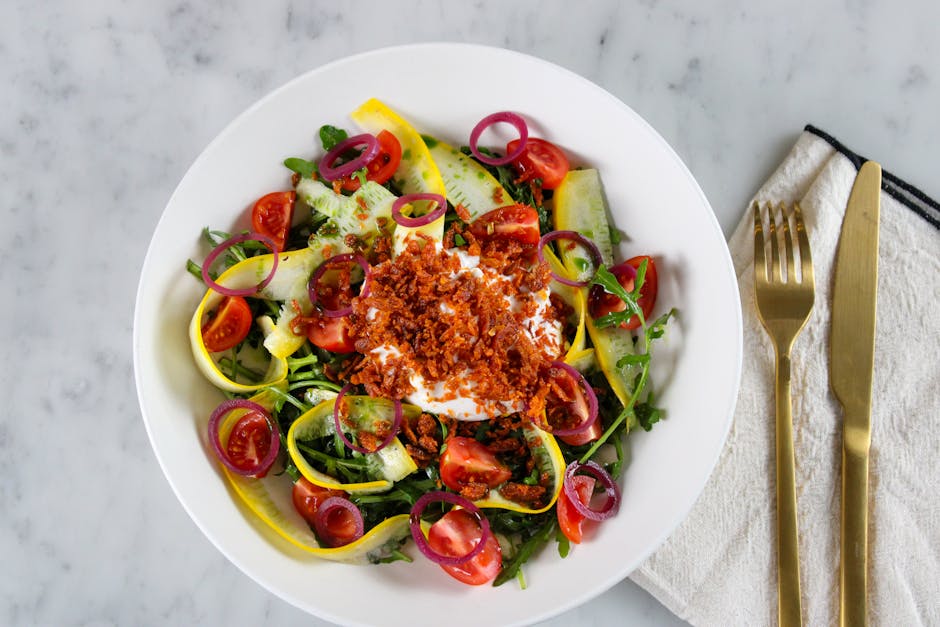
For many busy professionals in the United States, the concept of "snacking" often conjures images of vending machine trips, stale office donuts, or the 3:00 PM slump that necessitates a double espresso. However, in the realm of strategic meal preparation, snacking is not merely a stopgap between meals—it is a critical infrastructure for maintaining cognitive function and metabolic stability.
The American work culture often demands long hours and erratic schedules. Relying on willpower alone to avoid the breakroom treats is a failing strategy. Willpower is a finite resource, and by mid-afternoon, decision fatigue sets in. This is where a robust snack prep system becomes essential. By treating snacks with the same intentionality as dinner, you shift the paradigm from reactive eating, consuming whatever is available, to proactive fueling. This shift stabilizes blood sugar, prevents evening overeating, and provides the sustained energy required to perform in a high-pressure environment.
The Physiology of the Afternoon Slump
To effectively prep for energy, one must first understand the biological mechanism behind the energy crash. In the US, the standard lunch often relies heavily on refined carbohydrates, think sandwiches on white bread, heavy pasta dishes, or fast-food options. While these provide a rapid spike in glucose, the subsequent insulin response drives blood sugar down rapidly, leading to lethargy and brain fog.
Strategic snack preparation aims to flatten this curve. The goal is not to eliminate carbohydrates but to pair them with nutrients that slow absorption. When you prep snacks that combine fiber, protein, and healthy fats, you create a "time-release" mechanism for energy. This is particularly relevant for the American commuter or the desk-bound professional who may not have the opportunity to eat a balanced meal for six to eight hours.
Key Data Point:According to the USDA's Economic Research Service, the average American eats approximately 5.6 snacks per day, yet only 20% of those snacks contain foods from all three primary macronutrient groups (protein, carbohydrates, fat). This macronutrient imbalance is a primary driver of the "snack trap," where caloric intake rises but satiety remains low.
The Satiety Framework: Building a Better Snack
Satisfaction is subjective, but satiety is physiological. To prep snacks that actually keep you full, you need a framework. I advise my clients to use the "PFF Method"?Protein, Fat, Fiber. This triad ensures that a snack is doing more than just occupying mouth space; it is actively signaling fullness hormones to the brain.
Protein: The Satiety Anchor
Protein is the most satiating macronutrient. It reduces ghrelin, the hunger hormone, and increases peptide YY, a hormone that makes you feel full. In a US context, convenient protein sources are ubiquitous but often highly processed. The prep strategy here involves portioning out high-quality proteins that travel well.
Hard-boiled eggs, Greek yogurt containers, and portioned-out turkey jerky are staples. However, plant-based options are gaining traction. Roasted chickpeas or edamame provide protein along with the fiber component, hitting two birds with one stone.
Fat: The Slow-Down Mechanism
Dietary fat slows gastric emptying, meaning food stays in the stomach longer. This is why a low-fat carb snack (like pretzels) leaves you hungry in thirty minutes, while a snack containing nuts or cheese lasts hours. The challenge in the US is that fat is energy-dense (9 calories per gram versus 4 for protein and carbs). Prepping requires strict portion control here. Pre-portioning nuts into 1-ounce bags or buying individually sealed nut butter packets prevents mindless overconsumption.
Fiber: The Volume Factor
Fiber adds bulk without adding calories, physically stretching the stomach walls to signal fullness. It also feeds the gut microbiome, which plays an emerging role in mood and energy regulation. For the meal prep enthusiast, this means washing and chopping vegetables in advance. If a bell pepper is washed and sliced, it gets eaten. If it sits in the crisper drawer, it rots. This is the "convenience bias" of human behavior, and your prep system must account for it.
Pro Tip:The "Prep Visibility" Rule. Humans are visual foragers. Store your prepped snacks in clear glass containers at eye level in the refrigerator or the front of your pantry. Hiding healthy snacks behind leftovers or opaque packaging reduces consumption by up to 40%. Make the healthy choice the obvious choice.
Analyzing the US Snack : Whole Foods vs. Packaged Goods
The United States offers a bewildering array of "health bars," protein balls, and fortified snacks. While convenient, these often carry a "health halo" that masks their sugar content or caloric density. A practical meal prep system finds the balance between whole foods and the convenience of shelf-stable items.
For the busy professional, a hybrid approach works best. Whole foods (vegetables, fruits, lean meats) should constitute about 70% of the snack prep, with high-quality packaged goods serving as emergency backups. When selecting packaged goods, ignore the front-of-package marketing claims. Turn the product over and look at the ingredient list and the Nutrition Facts panel.
Comparative Analysis: Common US Snack Options
The following table breaks down common snack choices available in American grocery stores, comparing the convenience factor against the "Satiety Score"?a theoretical metric based on protein/fiber density and glycemic impact.
| Snack Category | Common US Example | Prep Time | Protein (g) | Fiber (g) | Satiety Score (1-10) |
|---|---|---|---|---|---|
| Processed Carbs | Pretzels or Crackers (1 oz) | Zero | 2 | 1 | 2 (Rapid digestion, high glycemic) |
| Sugary Fruit | Apple (medium) | Low (wash) | 0.5 | 4.5 | 5 (Good fiber, lacks protein/fat) |
| Dairy/Protein | Greek Yogurt (5.3 oz, plain) | Zero | 15 | 0 | 7 (High protein, moderate volume) |
| Combo (Prepped) | Apple + Almond Butter (1 tbsp) | Low (slice/portion) | 4 | 5.5 | 9 (Balanced PFF, sustained energy) |
| Savory Combo | Hummus (2 oz) + Veggies | Medium (chop veg) | 4 | 6 | 8 (High volume, fiber + fat) |
| Jerky/Meat | Beef Jerky (1 oz) | Zero | 9 | 0 | 6 (High protein, often high sodium) |
As the table illustrates, the "Combo" categories consistently score highest on satiety because they leverage the PFF Method. This is the sweet spot for meal prep: combining ingredients to create a metabolic outcome that is greater than the sum of its parts.
Systematic Snack Prep: A Workflow for the Week
Efficiency in meal prep comes from batch processing. You wouldn't do laundry one sock at a time; similarly, you shouldn't prep snacks one container at a time. Here is a workflow designed for a Sunday prep session, typical for the American Monday-through-Friday work week.
Step 1: Inventory and Selection
Choose two "wet" snacks (yogurt, hummus, cottage cheese) and two "dry" snacks (nuts, jerky, roasted chickpeas). Add one fresh produce option that requires processing (washing and chopping). This variety prevents palate fatigue without overwhelming your prep capacity.
Step 2: Assembly Line Method
Clear your counter. Set out all your containers. The Container Store or standard US supermarkets sell glass prep containers in multi-packs; use these uniform containers to streamline packing. Process the produce first, then portion the proteins and fats.
Industry Insight:The FDA estimates that Americans waste nearly 30-40% of the food supply. A significant portion of this waste occurs because perishable snacks (like berries or cut vegetables) are not prepped for immediate consumption. By dedicating 20 minutes to "snack assembly," you effectively lower your household food waste and your per-meal cost.
Step 3: Storage Logistics
Store "wet" snacks on the middle shelf of the refrigerator where they are visible. Store "dry" snacks in the pantry in a designated bin or basket. If you commute by car, consider keeping a small insulated cooler bag packed with an ice pack by the door, so grabbing your snacks becomes a mindless part of your exit routine.
The Financial Case for Snack Prep
In major US metropolitan areas like Chicago, New York, or Los Angeles, the cost of convenience is steep. A single protein bar from a convenience store or a caf— snack can cost between $3.00 and $5.00. A coffee shop muffin is often pushing $4.00. These costs accumulate rapidly.
Conversely, prepping snacks at home leverages bulk pricing. A large tub of Greek yogurt, a bag of apples, and a jar of nuts provides two weeks of high-quality snacks for the price of three days of caf— purchases. The financial argument is compelling, but the energy argument is even stronger. You are essentially outsourcing your afternoon energy management to your Sunday self.
Specific Snack Archetypes for the US Professional
To move from theory to practice, here are specific snack prep archetypes tailored to common American dietary patterns and constraints.
The "Desk Jockey" (Low Movement)
For those who are sedentary for 8+ hours, caloric density must be managed carefully, but volume is needed for satisfaction. Focus on high-volume, low-calorie foods that provide a sensory break from the screen.
- The Crunch Box:Sliced cucumber, radishes, and bell peppers with 2 tablespoons of guacamole or ranch dip (portioned out). The crunch provides oral stimulation without the caloric penalty of chips.
- The Berry Bowl:One cup of mixed berries (fresh or frozen/thawed) topped with a sprinkle of hemp seeds or chia seeds. This adds fiber and omega-3s without the heaviness of a granola bar.
- Hard-Boiled Eggs:Prep a half-dozen at the start of the week. Keep them in the shell for freshness. Two eggs provide 12 grams of protein for less than 150 calories.
The "Road Warrior" (Travel/Commute)
For sales professionals, consultants, or commuters spending hours in traffic or on trains, snacks must be shelf-stable, non-perishable, and easy to eat without utensils.
- Trail Mix 2.0:Avoid the pre-made mixes which are often 70% chocolate and fruit. DIY your mix: Raw almonds, pumpkin seeds (pepitas), and a measured amount of dried tart cherries.
- Jerky Bites:Look for turkey or beef jerky with lower sodium and no added nitrates. This is a non-perishable protein powerhouse.
- Protein Powder Pouches:Single-serve protein powder packets can be shaken in a water bottle at a rest stop or office kitchen for an instant hunger stopgap.
Pro Tip:The "Emergency Stash." Always maintain a non-perishable snack kit in your car, gym bag, or desk drawer. This kit should contain a sealed bag of nuts, a protein bar (check sugar content, aim for under 8g), and a single-serve water flavor enhancer. This "safety net" prevents the drive-through impulse when meetings run late.
American Grocery Store
US grocery stores are designed to maximize time spent in the center aisles, where processed foods live. Your snack prep strategy should focus on the perimeter.
- The Produce Section:This is your volume source. Buy heads of lettuce, bunches of carrots, and whole fruits rather than pre-cut versions to save money, unless your schedule dictates that you will only eat them if they are pre-cut.
- The Dairy Wall:Look for plain Greek yogurt or Skyr. Flavored yogurts in the US often contain as much sugar as a candy bar. Sweeten it yourself with a drop of vanilla extract or a teaspoon of maple syrup to control the dose.
- The Bulk Bins:Found in stores like Whole Foods or regional chains, bulk bins allow you to buy the exact amount of nuts, seeds, and dried fruit you need for the week, reducing waste and cost.
The Psychology of Satisfaction
Satisfaction is not purely physical; it is psychological. If you prep "healthy" snacks that you despise eating, you will not stick to the system. The diet industry often demonizes pleasure, but a sustainable meal prep system embraces it.
Texture and flavor variety are key. If you love salty, crunchy foods, prepping celery sticks will feel like a punishment. Instead, prep roasted chickpeas seasoned with paprika and sea salt. If you crave sweetness, pair fruit with a rich, full-fat yogurt or a square of dark chocolate. The goal is to align your prep with your palate.
"We don't rise to the level of our goals. We fall to the level of our systems." ? James Clear. This axiom applies directly to nutrition. You may have a goal to eat cleaner, but if your system involves hoping you'll find a healthy snack in a vending machine, you will fail. A system of prepped, appealing snacks creates the environment where success is the default outcome.
Addressing Common Pitfalls
Even with the best intentions, snack prep systems can fail. Identifying these failure points in advance increases the likelihood of adherence.
Pitfall 1: Over-Prepping
Enthusiasm often leads to prepping too much food. Vegetables get soggy, and fruit ferments after 4-5 days. Start small. Prep for Monday through Thursday. Friday can be a "flex day" where you eat leftovers or purchase something. This prevents the guilt associated with throwing away rotted meal prep.
Pitfall 2: The "All or Nothing" Mentality
A common trap is believing that if you can't prep everything perfectly, you shouldn't prep at all. This is false. Even prepping just your snacks, ignoring lunches and dinners, yields significant energy benefits. Partial prep is infinitely better than no prep.
Pitfall 3: Ignoring Hydration
Often, what feels like hunger is actually thirst. The US standard of drinking soda or coffee all day leads to dehydration. Include water preparation in your snack prep. Fill a large pitcher with water and lemon slices, or ensure you have a dedicated water bottle cleaned and ready to go alongside your snack containers.
Hydration Statistic:The National Health and Nutrition Examination Survey (NHANES) data indicates that approximately 75% of Americans are chronically dehydrated. Dehydration reduces cognitive performance and mimics hunger signals. Including a 16oz water bottle with your snack prep is a zero-calorie way to boost energy.
Checklist: Your Weekly Snack Prep Routine
To implement this system immediately, use the following checklist during your weekly planning session. This ensures you cover the nutritional bases and logistical requirements.
- Select Proteins:Choose 2 protein sources (e.g., Greek yogurt, hard-boiled eggs, turkey jerky, portioned cheese cubes).
- Select Produce:Choose 1 fruit and 1 vegetable (e.g., apples, berries, baby carrots, bell peppers). Wash and chop immediately.
- Select Fats:Choose 1 healthy fat source (e.g., individual nut packs, hummus, avocado portions).
- Inventory Containers:Ensure you have enough glass or BPA-free plastic containers with lids for 5 days.
- Portion Control:Use measuring cups or a food scale for calorie-dense items like nuts and dips.
- Visibility Check:Place prepped items in the fridge or pantry where they are the first thing you see.
- Emergency Kit:Restock the desk drawer or car kit with non-perishable backups.
Final Thoughts: Energy as an Investment
In the high-velocity environment of the American workplace, energy is currency. Every decision you make depletes your cognitive resources. By investing one to two hours on a Sunday into a strategic snack prep system, you buy back hours of productive focus during the week. You eliminate the distraction of hunger, the crash of sugar, and the guilt of poor choices.
The transition from haphazard snacking to strategic fueling does not require culinary expertise or expensive gadgets. It requires a shift in perspective: viewing snacks not as treats, but as tools. With the PFF framework, a clear understanding of the US grocery , and a reliable weekly workflow, you can transform your midday energy slump into a period of sustained performance. Start this week. Your Tuesday afternoon self will thank you.