Seasonal meal prep strategies
Introduction: Why Seasonal Meal Prep Changes Everything
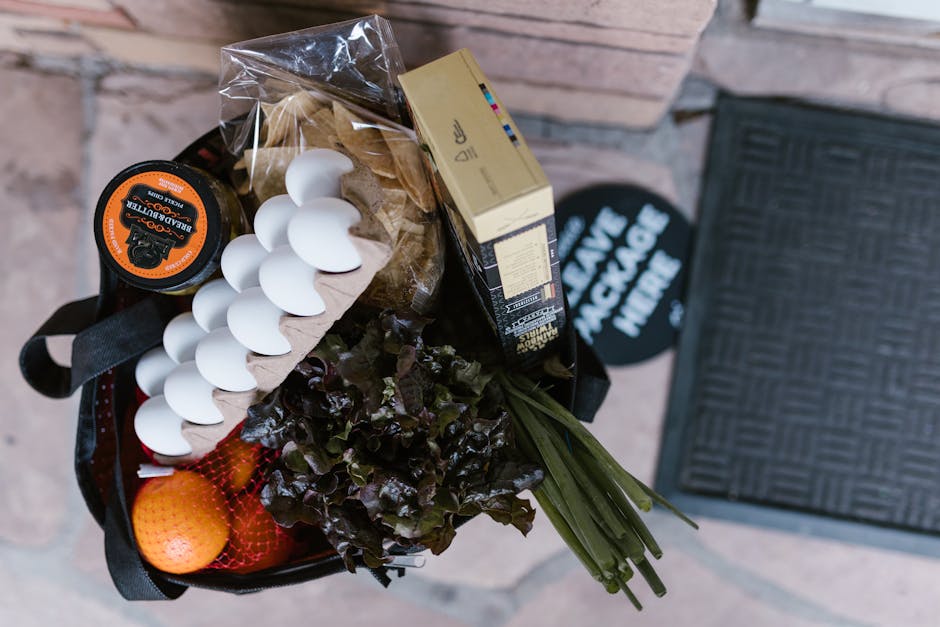
The United States produces over 300 million tons of food each year, yet the average American household throws away between $1,500 and $2,500 worth of food annually. If you are spending time and money on meal prep, you have a vested interest in maximizing every dollar and every hour you invest. Seasonal meal prep is not a trend—it is a strategic approach that aligns your planning, purchasing, and cooking with the natural rhythms of American agriculture. When you buy produce at peak season, you pay less, waste less, and eat better. This guide provides a practical framework for adjusting your meal prep system across all four seasons, tailored specifically for how food moves through American grocery stores, farmer's markets, and home kitchens.
Jordan Mitchell, a registered dietitian and time management consultant based in Chicago, has spent over a decade helping busy professionals optimize their nutrition without sacrificing their sanity. "The most common mistake I see is treating meal prep as a one-size-fits-all system," Mitchell explains. "A January prep session and a July prep session should look completely different, not just in recipes, but in strategy, storage approach, and even the physical setup of your kitchen." This article draws on that expertise to give you actionable frameworks you can implement starting this week.
Understanding the US Food Seasonality
Americans enjoy unprecedented access to produce year-round, but this convenience comes with costs. Out-of-season tomatoes from Mexico or winter strawberries from California require significant resources to grow and transport. By contrast, produce purchased at peak season in your region typically costs 20-40% less, tastes significantly better, and retains more nutrients because it spends less time in transit.
The US Department of Agriculture tracks produce availability by region, and understanding these patterns gives you a massive advantage. The continental United States spans USDA hardiness zones 3 through 11, meaning the growing season in Miami is fundamentally different from the growing season in Minneapolis. Your seasonal meal prep strategy should reflect your regional reality, not a generic calendar designed for somewhere else.
The Four-Season Framework: Strategic Adjustments for Every Quarter
Spring Meal Prep: March Through May
Spring represents a transitional period in American kitchens. Cold-weather comfort foods lose their appeal, but the heat of summer has not yet arrived. This is the season for light, protein-forward meal prep that takes advantage of early produce while building on hearty pantry staples.
In most of the continental US, spring produce begins appearing in late March: asparagus in Texas and California, artichokes on the West Coast, peas throughout the Southeast, and tender leafy greens like spinach and arugula in the Pacific Northwest. Farmer's markets typically resume full operations by late April in northern states, giving you access to peak-freshness ingredients.
Spring meal prep works best with lighter storage strategies. Because you are incorporating more fresh vegetables, consider a "prep as you go" approach rather than preparing every meal in advance. Wash and chop produce on Sunday, then combine ingredients fresh each day. This maintains texture and nutrition while still saving significant time during busy weekdays.
Summer Meal Prep: June Through August
Summer presents unique challenges for meal preppers. Heat makes cooking less appealing, outdoor activities compete for your time, and the abundance of fresh produce creates both opportunity and potential waste. Your summer strategy should prioritize minimal cooking, make-ahead salads, and grilling as your primary preparation method.
Peak summer produce in most US regions includes tomatoes, zucchini, corn, peaches, berries, watermelon, and stone fruits. These ingredients require different handling than their out-of-season counterparts. Tomatoes, for instance, should never go in the refrigerator, room temperature storage preserves their texture and flavor for 3-5 days.
"The best meal prep decision I made was accepting that summer cooking should happen outside whenever possible. My grill became my primary kitchen, and I cut my cooling costs while eating better than any other season." ? Jordan Mitchell, RD
Summer meal prep success depends on embracing no-cook options. Overnight oats, Mason jar salads, cold pasta salads with fresh vegetables, and grain bowls topped with raw or lightly grilled proteins require minimal active cooking. Reserve your oven or stove for early morning hours when temperatures are coolest, or commit to a weekly grilling session that produces multiple days of ready-to-eat proteins.
Fall Meal Prep: September Through November
Fall is the meal prepper's favorite season. Produce reaches peak flavor and nutritional density, temperatures moderate enough for comfortable cooking, and the return to school and work schedules creates natural demand for planned meals. This is also the season when holiday baking begins, so building efficient prep habits now pays dividends through the winter.
Fall produce, squash, pumpkins, apples, pears, Brussels sprouts, sweet potatoes, and late-season greens, stores remarkably well with proper handling. Butternut squash keeps for 2-3 months in a cool, dark place. Apples stay fresh for weeks when refrigerated in crisper drawers. This storage stability gives you flexibility that spring and summer produce simply cannot match.
| Fall Produce | Peak Season | Storage Method | Prep Strategy |
|---|---|---|---|
| Butternut Squash | September-November | Cool, dark pantry | Roast and freeze in portions |
| Brussels Sprouts | October-December | Refrigerator crisper | Shred raw or halve for roasting |
| Sweet Potatoes | September-November | Cool, dark pantry | Batch bake, then portion for week |
| Apples (storage varieties) | September-October | Refrigerator crisper | Slice and freeze for baking |
| Pumpkin/Squash Pur—e | October-November | Freezer-safe containers | Make large batches, freeze flat |
Winter Meal Prep: December Through February
Winter meal prep requires the most strategic planning. Holiday gatherings disrupt normal routines, fresh produce options narrow, and cold weather increases cravings for hearty, warming meals. Your winter strategy should emphasize make-ahead dishes, efficient one-pot cooking, and portion planning that accounts for holiday indulgences.
Winter produce varies significantly by region. Citrus dominates in California, Florida, and Texas, while root vegetables sustain kitchens throughout the Midwest and Northeast. Cabbage, carrots, turnips, parsnips, and potatoes provide affordable, long-lasting nutrition. Frozen vegetables retain their quality and nutrition through winter months when fresh options are limited.
Winter is the season for slow cookers and pressure cookers. These appliances do not heat your kitchen, require minimal active time, and transform inexpensive cuts of meat and hardy vegetables into satisfying meals. A Sunday afternoon spent loading a slow cooker can produce three or four days of ready-to-heat dinners with almost no effort during the week.
Building Your Seasonal Pantry
Regardless of season, a well-organized pantry forms the foundation of successful meal prep. Each season requires different staples, and understanding these shifts prevents the mid-week scramble to the grocery store.
- Essential Pantry Staples by Season:
- Spring:Dried grains (quinoa, farro, barley), canned chickpeas and white beans, olive oil, vinegars, nuts and seeds, whole grain pasta
- Summer:Everything from spring plus: high-heat cooking oils, SPF-rated food storage containers, mason jars, portable lunch containers
- Fall:Broth and stock (canned or boxed), dried herbs and spices (restock for winter), honey and maple syrup, whole grains for hearty soups
- Winter:Canned tomatoes and tomato paste, dried pasta, canned and frozen vegetables, nut butter, whole grain bread (freeze portions)
Seasonal pantry management also means rotating stock. Use the "first in, first out" principle consistently. When you purchase new items, move older products to the front. Check expiration dates monthly and incorporate soon-to-expire items into your weekly meal rotation. This simple habit alone can save hundreds of dollars annually by preventing waste.
Regional Adaptations: One Nation, Four Seasons, Many Strategies
American meal preppers cannot apply a single seasonal calendar. A January in Maine looks nothing like a January in Texas, and your meal prep should reflect these differences. The USDA classifies the continental US into five major climate regions, each with distinct growing seasons and produce availability patterns.
Northeast and New England:The region experiences true four-season weather with pronounced seasonal shifts. Peak local produce runs from May through October, with a notable gap in January and February. Winter meal prep should heavily feature stored fall produce and greenhouse-grown items from local farms.
Southeast:Extended growing seasons allow for year-round fresh produce, though summer heat limits cool-season crops. Winter provides excellent opportunities for citrus, leafy greens, and root vegetables. Avoid heavy winter roasts that feel out of place in mild climates.
Midwest:Continental climate creates dramatic seasonal swings. Fall harvest season provides exceptional value on storage vegetables. Winter meal prep should emphasize warming, hearty dishes that counteract cold temperatures and shorter daylight hours.
Southwest:Mild winters make this region ideal for winter meal prep focused on fresh salads and light proteins. Summer heat restricts outdoor cooking, making slow cookers and indoor meal assembly essential tools.
Pacific Coast:Microclimates create significant variation within small areas. Coastal areas enjoy milder temperatures year-round, while inland regions experience more extreme seasonal shifts. California's growing season approaches year-round in southern regions, while the Pacific Northwest sees pronounced winter limitations.
Implementation Framework: Putting Seasonal Meal Prep into Practice
Understanding seasonal strategies means nothing without implementation. This framework provides a step-by-step approach to transitioning your current meal prep system into a seasonally adaptive one.
Week One: Audit and Assessment
Before making changes, document your current meal prep habits. Track what you prepare, when you shop, how much you spend, and how much food you waste. Calculate your current food waste percentage, most Americans waste 30-40% of purchased food. This baseline gives you a benchmark for measuring improvement.
Week Two: Seasonal Education
Learn what grows in your region during each season. Visit the USDA's seasonal produce guide or download your state's extension service website. Most land-grant universities maintain detailed information about regional agriculture. Bookmark the pages relevant to your location and reference them when meal planning.
Week Three: Pantry Transition
Empty your pantry and assess what you have. Remove items past their expiration date. Reorganize remaining items by category, grains, proteins, sauces, snacks. Note what seasonal items you currently have and what you need to acquire for the coming season.
Week Four: First Seasonal Plan
Plan your first fully seasonal meal prep session. Choose recipes that feature at least three seasonal ingredients from your region. Shop at a farmer's market or the seasonal section of your grocery store. Prepare and store meals using the strategies outlined for your current season.
Common Pitfalls and How to Avoid Them
Seasonal meal prep fails for predictable reasons. Anticipating these pitfalls keeps your system running smoothly.
Overbuying Perishable Items:Seasonal produce tempts you to buy more than you can consume. The USDA recommends buying only what you can eat within 5-7 days for most fresh produce. If you find yourself with surplus, freeze it, berries, peaches, and many vegetables freeze well and maintain quality for 8-12 months.
Rigid Recipe Attachment:Your favorite summer recipes may not translate well to winter. Learn to adapt, substitute butternut squash for zucchini in winter pasta dishes, use preserved tomatoes instead of fresh ones when fresh options are out of season. Flexibility is essential for sustainable seasonal meal prep.
Ignoring Regional Variation:"Seasonal" in Florida differs from "seasonal" in Minnesota. Do not follow national trends blindly. If you see articles about asparagus season in February, recognize that this applies to regions with early springs, not the entire country.
Failing to Adjust Portions for Seasons:Your appetite changes with the seasons. Winter bodies require more calories for warmth; summer bodies often prefer lighter fare. Adjust portion sizes and meal composition accordingly. Forcing yourself to eat heavy stews in July leads to both wasted food and decreased enjoyment.
Summary: Your Seasonal Meal Prep Action Plan
Seasonal meal prep is not about perfection—it is about optimization. By aligning your purchasing, preparation, and storage strategies with the natural rhythms of American agriculture, you will spend less money, waste less food, and eat better throughout the year.
Start this week by assessing your current system. Identify one area where seasonal shopping could reduce your grocery bill. Visit your local farmer's market or examine the seasonal section of your grocery store. Choose one new recipe featuring seasonal produce and prepare it this weekend.
Small changes compound. Making seasonal adjustments for just three months puts $300-500 back in your pocket compared to year-round out-of-season purchasing. Doing this consistently for five years builds thousands of dollars in savings and establishes habits that serve you for a lifetime.
Your kitchen is your investment. Treat it accordingly.