Sauce and dressing prep
Why Sauce and Dressing Prep Transforms Your Meal Prep Game
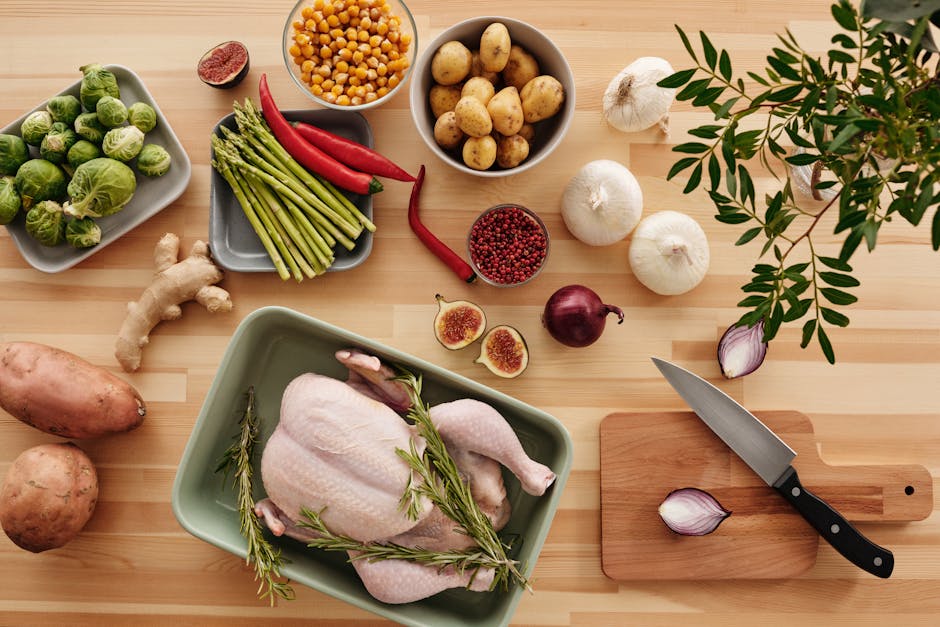
Ask any registered dietitian what separates amateur meal preppers from those who actually stick with their nutrition goals week after week, and the answer almost always comes back to flavor infrastructure. You've seen it happen: a Sunday filled with perfectly grilled chicken breasts, steamed broccoli, and brown rice, all organized in gleaming glass containers. By Wednesday, that chicken looks about as appealing as cardboard, and your adherence to the meal plan starts crumbling along with it.
The solution isn't better protein choices or more exciting vegetable combinations. It's the humble sauce and dressing, prepared ahead and ready to transform bland prepped components into meals that actually satisfy. When you master sauce and dressing prep, you solve the single biggest complaint about meal prep: monotony. The same grilled chicken becomes a teriyaki-glazed centerpiece on Monday, a tangy lemon-herb number by Wednesday, and a spicy buffalo creation by Friday, all because you have prepared sauces waiting in the wings.
For busy professionals across the United States, sauce prep represents a high-impact, relatively low-skill investment. Most sauces require 15 to 30 minutes of active cooking time but deliver weeks of meal-transforming potential. This guide walks you through the principles, techniques, and practical systems that make sauce and dressing prep accessible, efficient, and genuinely useful for your meal prep routine.
Understanding the Foundation: What Makes Sauces Work
Before diving into specific recipes and strategies, understanding a few fundamental principles will serve you better than memorizing any individual formula. Sauces, at their core, are about manipulating four elements: thickening, emulsification, flavor building, and acid balance.
Thickening Agents Available in Every American Pantry
American home cooks have access to thickening agents that professional kitchens worldwide would envy. Flour—the foundation of classical French cooking, remains inexpensive and widely available. cornstarch provides a clearer, glossier result preferred in Asian-influenced sauces. Roux, a simple mixture of flour and fat cooked together, forms the backbone of gravies, cream sauces, and cheese sauces.
The key insight for meal prep purposes: roux-based sauces hold up exceptionally well to refrigeration and reheating. A properly made cheese sauce, for instance, will maintain its texture through four to five days in the refrigerator, making it ideal for weekly meal prep batches.
Emulsification: The Science of Keeping Things Together
Oil and water don't naturally mix, anyone who's tried to shake olive oil into vinegar has witnessed the temporary emulsion collapse into separate layers. Emulsification is the process of forcing these incompatible liquids together into a stable, unified sauce. Mayonnaise represents the most common home-emulsified sauce, but vinaigrettes, creamy salad dressings, and pan gravies all rely on emulsion principles.
For meal prep purposes, understanding emulsification matters because emulsified sauces are inherently less stable than their single-phase cousins. A b—chamel sauce (flour, milk, butter) will hold in your refrigerator for a week. A mayonnaise-based dressing may begin separating within three to four days. This doesn't mean you should avoid emulsified sauces, rather, it means you should understand your timeline and prepare accordingly.
The Essential Sauce Toolkit for American Meal Preppers
Building a sauce library doesn't require specialty ingredients or obscure equipment. Focus on these foundational sauces that work with the protein and grain combinations most Americans actually eat:
Quick-Cooking Sauces (Under 20 Minutes)
Teriyaki Glaze:Soy sauce, brown sugar, rice vinegar, garlic, and ginger reduced together until syrupy. This sauce works with chicken, beef, pork, and even tofu. It doubles as a marinade and finishing sauce.
Marinara Base:Crushed tomatoes, olive oil, garlic, dried oregano, and basil. Simmer for 20 minutes and you have pizza sauce, pasta sauce, or a base for chicken parmesan. The American pantry staple of canned crushed tomatoes makes this essentially free to produce compared to jarred alternatives.
Buffalo Sauce:Melted butter and hot sauce, with optional Worcestershire for depth. Takes five minutes and transforms any protein into something craveable. Frank's RedHot remains the gold standard for this application in American kitchens.
Investment Sauces (30-45 Minutes, Freeze Exceptionally Well)
Enchilada Sauce:Chili powder, cumin, chicken broth, and tomato paste. A double batch takes 40 minutes but yields enough for four to six dinners. This sauce actually improves after freezing and thawing—the spices meld together.
Barbecue Sauce:Ketchup base with brown sugar, vinegar, and smoked paprika. Yes, you can buy good barbecue sauce. But homemade versions avoid high-fructose corn syrup, cost roughly half as much, and allow you to control the spice level for your specific household.
Gravy:Roux-based pan drippings sauce that elevates meal-prepped chicken, turkey, or beef into something that feels special. Make a big batch and freeze in ice cube trays for instant weeknight upgrades.
When meal prepping sauces, consider making them at double or triple strength. Concentrated sauces take up less storage space, have longer refrigerator shelf lives, and allow you to adjust consistency at serving time. A teriyaki glaze that's too thick becomes a marinade when thinned with water or citrus juice. This flexibility means one batch serves multiple purposes.
Dressing Fundamentals: Beyond Basic Vinaigrette
American salad dressing preferences span an enormous range—from the vinegar-forward vinaigrettes preferred on the coasts to the creamier, tangier creations beloved in Southern and Midwestern kitchens. Understanding the ratio system liberates you from recipes entirely.
The Universal Vinaigrette Ratio
The classic French vinaigrette ratio is three parts oil to one part acid (vinegar or citrus juice). American tastes tend to prefer something slightly more acidic, many home cooks find two-to-one or even one-and-a-half-to-one ratios more appealing. The essential principle remains constant: more oil creates a richer, coating dressing; more acid creates brightness and cuts through heavier ingredients.
Building from this foundation, add flavor complexity through:
- Emulsifiers:Dijon mustard (— teaspoon per dressing batch) creates and stabilizes emulsions while adding flavor
- Sweeteners:Honey, maple syrup, or a pinch of sugar balance acid and extend the dressing
- Aromatics:Minced shallots, garlic, fresh herbs, or citrus zest added before blending
- Umami boosters:Worcestershire sauce, fish sauce, or soy sauce deepen the overall impact
Emulsified Dressings That Hold
Ranch dressing remains the most-consumed salad dressing in the United States, with buttermilk, sour cream, or Greek yogurt providing the creamy base. For meal prep purposes, ranch dressing actually performs well because the dairy proteins help stabilize the emulsion. Expect a properly refrigerated ranch dressing to hold five to seven days.
Greek yogurt-based dressings offer a high-protein, lower-fat alternative that appeals to health-conscious meal preppers. These dressings work particularly well for grain bowls and protein-forward salads rather than delicate leafy greens, where the thicker consistency serves the heartier ingredients better.
Storage, Shelf Life, and Food Safety
Understanding proper storage methods determines whether your sauce prep saves or wastes your Sunday afternoon. American food safety guidelines provide clear parameters that, when followed, eliminate any risk from your meal prep routine.
| Sauce Type | Refrigerator (40—F or below) | Freezer (0—F or below) | Notes for Best Quality |
|---|---|---|---|
| Tomato-based sauces (marinara, enchilada) | 5-7 days | 4-6 months | Freezes exceptionally well; texture may slightly change but flavor improves |
| Emulsified sauces (mayo, ranch, blue cheese) | 3-5 days | Not recommended | Freezing breaks emulsion; prepare smaller batches more frequently |
| Roux-based sauces (gravy, b—chamel) | 4-5 days | 3-4 months | Stir well when reheating; may need splash of liquid to restore consistency |
| Vinaigrette (non-emulsified) | 10-14 days | 6 months | Oil and vinegar separate is normal; shake before each use |
| Soy-based glazes (teriyaki, satay) | 7-10 days | 6 months | High salt content acts as natural preservative |
| Buffalo sauce / hot sauce | 30+ days | 12 months | Extremely long shelf life due to acidity and capsaicin |
These timelines represent safety minimums, quality may degrade before food safety becomes a concern. Trust your senses: off smells, mold growth, or textural changes indicate it's time to discard, regardless of the date on your container.
The Sunday Sauce System: A Practical Framework
Transforming sauce prep from scattered cooking projects into a systematic routine requires a simple framework. The following approach fits into a typical two-to-three-hour Sunday meal prep session without overwhelming you or your kitchen.
Phase One: Foundation Sauces (45-60 minutes)
Begin with sauces that require simmering or reduction—the ones that benefit from passive cooking time while you work on other elements. Your marinara base should be simmering before you've finished chopping vegetables for other preparations. Set your enchilada sauce or barbecue sauce to reduce while organizing containers.
Phase Two: Quick Sauces and Dressings (20-30 minutes)
With foundation sauces bubbling away, work through quick-cooking sauces. Your teriyaki glaze comes together in minutes. Vinaigrette dressing requires only emulsification in a jar with a tight lid. Ranch dressing or other dairy-based dressings need only stirring together pre-made components with fresh herbs.
Phase Three: Portioning and Storage (20-30 minutes)
Allow sauces to cool to refrigerator-safe temperatures, generally 30 minutes out of active cooking. Portion into meal-sized servings in labeled containers. A simple labeling system (name + date prepared) prevents confusion later in the week and tracks which sauces need to be used first.
Silicone ice cube trays transform sauce prep for those nights when you want just a small portion. Spoon sauce into individual wells, freeze until solid, then transfer cubes to a freezer bag. This method works brilliantly for gravies, concentrated sauces, and cooking stocks. Each cube represents approximately one to two tablespoons, perfect for single-serving cooking applications without defrosting an entire container.
Cost Analysis: Why Sauce Prep Makes Financial Sense
For budget-conscious meal preppers, homemade sauces deliver meaningful savings compared to purchasing prepared alternatives. The math is straightforward and consistent across most sauce categories.
The ingredient investment is minimal. Most sauce bases require pantry staples that you likely already have: olive oil, canned tomatoes, soy sauce, vinegar, and basic spices. The initial investment in quality spices (cumin, chili powder, smoked paprika) pays dividends across dozens of batches and costs only $15-25 total.
Troubleshooting Common Sauce Problems
Even experienced cooks encounter issues with homemade sauces. Understanding common problems and their solutions prevents Sunday afternoon disasters and ensures your meal prep proceeds smoothly.
Sauce turned too thick:This happens especially with roux-based sauces that continue thickening as they cool. Add liquid (broth, water, or milk) a tablespoon at a time while stirring over low heat until desired consistency returns. Remember that sauce thickens more during cooking but thins slightly upon standing.
Vinaigrette separated completely:Shake vigorously before each use, this is normal for homemade vinaigrettes without commercial emulsifiers. If separation bothers you, add — teaspoon of Dijon mustard per cup of dressing, which acts as a natural emulsifier.
Too acidic:Add a pinch of sugar, a teaspoon of honey, or a tablespoon of olive oil to balance excess vinegar or citrus. A splash of cream or coconut milk also softens acid notes.
Ran out of sauce mid-week:This signals your portions are too small. When prepping, always calculate based on your actual weekly usage plus one additional serving for unexpected meals. Better to have surplus than shortage.
"The difference between a meal and an experience often comes down to what you pour over it. A properly prepared sauce doesn't just add flavor—it adds intention, care, and the kind of satisfaction that keeps you coming back to your meal prep routine week after week."
? Jordan Mitchell, Registered Dietitian
Building Your Rotation: A Month of Sauce Ideas
Preventing sauce fatigue means rotating through different flavor profiles throughout your meal prep cycle. Here's a practical weekly rotation that keeps things interesting while remaining manageable:
- Week 1:Mediterranean rotation, lemon-herb pan sauce, red wine vinaigrette, chimichurri
- Week 2:Asian-inspired rotation, teriyaki glaze, sesame ginger dressing, sriracha aioli
- Week 3:American comfort rotation, barbecue sauce, mushroom gravy, ranch dressing
- Week 4:Tex-Mex rotation, enchilada sauce, cilantro lime crema, pico de gallo (technically a fresh sauce, not a condiment but essential)
Following this four-week cycle means you'll never go more than three weeks before returning to a favorite style, but the rotation provides enough variety to maintain interest. Each week, make two to three sauces appropriate for that week's protein choices, and store the rest for future weeks.
Equipment Essentials for the Home Sauce Station
You don't need commercial kitchen equipment to produce excellent sauces at home. This checklist covers the essentials that every American home cook should have for effective sauce preparation:
- Heavy-bottomed saucepan (3-4 quart):Prevents scorching and provides even heat distribution for sauces that require longer cooking
- Whisk (medium size):Essential for emulsification and breaking up lumps in flour-based sauces
- Fine-mesh strainer:Creates silky-smooth sauces by removing herb stems, garlic pieces, or flour lumps
- Heat-resistant silicone spatula:Scrapes every bit of sauce from pans and prevents waste
- Glass storage containers with tight lids:Multiple sizes for portioning; glass doesn't stain or absorb flavors like plastic
- Mason jars:Ideal for salad dressings; shake-in-the-jar preparation and clear visibility of contents
- Ice cube trays (silicone preferred):For portioning concentrated sauces into single-serving sizes
The Compound Effect: Why This Matters for Your Goals
Sauce and dressing prep isn't glamorous. It doesn't generate social media content the way perfectly photographed grain bowls do. It won't show up in transformation photos or inspire fitness influencer posts. But sauce prep is the compound interest of meal prep, small, consistent investments that generate massive returns over time.
When you have prepared sauces waiting in your refrigerator, you have options. You can turn last night's chicken into something entirely new. You can transform a simple salad from an obligation into a genuinely satisfying meal. You can avoid the drive-through because your prepared lunch actually tastes good by Wednesday afternoon.
The meal preppers who succeed long-term aren't the ones with the most elaborate containers or the most sophisticated ingredient lists. They're the ones who built systems that make healthy eating the path of least resistance. Sauce and dressing prep is one of the highest-leverage systems available. It takes a few hours on Sunday. It saves you from boring meals, from impulse food purchases, and from the slow drift back to old eating habits.
Start with one sauce this week, teriyaki glaze or a basic vinaigrette. Master it. Expand from there. Within a month, you'll have a rotating arsenal of flavor boosters that makes your meal prep routine something you actually look forward to rather than endure. That's the compound effect in action.