Prepping vegetables without losing freshness
Why Your Meal Prep Vegetables Are Wilting Before Week's End
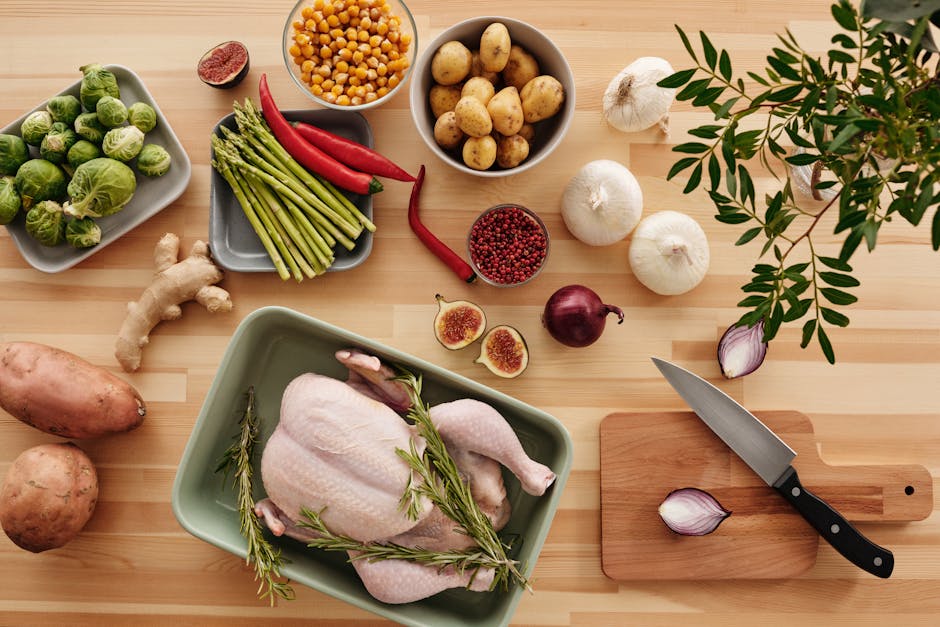
You've done everything right. Sunday morning, you carved out two hours, fired up the cutting board, and transformed a mountain of farmers market produce into pristine, portioned containers ready to fuel your workweek. But by Wednesday, your bell peppers look deflated. Thursday, the broccoli has turned tragic. Friday's salad greens are more slime than crunch.
Sound familiar? You're not alone. A 2023 survey by the Academy of Nutrition and Dietetics found that nearly 60% of Americans who practice weekly meal prep report significant food waste from vegetables that spoil faster than anticipated. The problem isn't your ambition—it's that most meal prep guidance ignores the fundamental reality: vegetables are living organisms, and how you handle them between the cutting board and the refrigerator determines whether they survive until Friday.
This guide cuts through the generic advice and gives you a science-based, US-market-specific system for keeping your prepped vegetables fresh through a full workweek. No recycled tips. No vague promises. Just actionable frameworks grounded in how produce actually behaves.
The Biology of Vegetable Decline
Understanding why vegetables deteriorate helps you prevent it. Once harvested, vegetables continue respiring—they're absorbing oxygen and releasing carbon dioxide and ethylene gas. This process accelerates after you cut into them, breaking cellular walls and exposing inner flesh to air and bacteria.
Ethylene sensitivity varies dramatically by vegetable type. Some produce (like apples, bananas, and tomatoes) release large amounts of ethylene gas that speeds ripening and decay in nearby vegetables. Others (like leafy greens and cruciferous vegetables) are highly ethylene-sensitive and will turn yellow and wilt rapidly when exposed to it.
Water loss is the other primary culprit. Cut vegetables lose moisture through cut surfaces and through transpiration. This is why that julienned carrots in your fridge drawer look shriveled by Wednesday—they're literally drying out from the inside.
The 48-Hour Window:Research from the University of California Davis Postharvest Technology Center indicates that most cut vegetables maintain optimal texture and nutrient content for approximately 48 hours when stored properly. After this window, degradation accelerates significantly regardless of storage method.
Storage Temperature: The Critical Variable Your Refrigerator Gets Wrong
Most US households set their refrigerator between 35—F and 40—F (1.7—C to 4.4—C), treating the entire appliance as a uniform cold zone. This is a mistake. Your refrigerator has distinct temperature zones, and placing vegetables in the wrong one costs you days of freshness.
| Refrigerator Zone | Temperature Range | Best Vegetables For This Zone |
|---|---|---|
| Crisper Drawers (Closed) | 32—F - 40—F (0—C - 4.4—C) | Leafy greens, herbs, cut salads, berries |
| Middle Shelves | 38—F - 42—F (3.3—C - 5.6—C) | Carrots, peppers, broccoli, cauliflower |
| Door Compartments | 40—F - 45—F (4.4—C - 7.2—C) | Not recommended for most cut vegetables |
| Lower Drawer (Humidity High) | 34—F - 38—F (1.1—C - 3.3—C) | Whole root vegetables, celery, asparagus |
Pro Tip:Most refrigerator drawers have humidity slides. Set them to "high humidity" for leafy vegetables and "low humidity" for fruits and vegetables you want to keep drier. This single adjustment can extend your prepped greens' life by 2-3 days by reducing air circulation and moisture loss.
Prep Methods That Actually Preserve Freshness
The Pat Dry Imperative
Here's a step most meal prep tutorials skip: thoroughly drying vegetables after washing them. That extra moisture on cut surfaces creates a breeding ground for bacteria and accelerates breakdown. After washing, use a salad spinner for leafy greens, or pat dry with clean kitchen towels for firmer vegetables. Let cut surfaces air-dry for five minutes before storing.
Storage Container Selection
Not all food storage containers are equal for vegetable preservation. Glass containers with airtight lids rank highest for preventing moisture loss and preventing odor absorption. However, they're heavy and expensive, realistic barriers for meal prep at scale.
If using plastic, choose BPA-free containers specifically designed for food storage. Avoid reusing takeout containers, which develop micro-cracks that harbor bacteria and don't seal properly. The initial investment in quality containers pays dividends in reduced waste and better-tasting vegetables through day five.
The Paper Towel Layer Technique
For vegetables prone to excess moisture ( sliced mushrooms, chopped tomatoes, washed greens), place a layer of paper towels in the storage container before adding your produce. The towels absorb excess moisture that would otherwise pool and accelerate decay. Replace the towels every two days.
Cost Reality:According to USDA estimates, the average American family of four wastes approximately $1,500 in food annually. Vegetables represent the largest single category of household food waste. Proper storage that extends vegetable life by even two days can save a meal-prepping household $200-$400 per year.
Vegetable-Specific Strategies for US Grocery Staples
Different vegetables have different vulnerabilities. Generic "store in airtight containers" advice fails because a bell pepper and a head of lettuce require fundamentally different approaches.
Leafy Greens (Spinach, Kale, Arugula, Romaine)
The highest maintenance category. Remove any rubber bands or twist ties immediately—these damage leaves and create decay points. Pull apart heads and wash only what you'll use within 24 hours, or wash the entire amount and dry thoroughly before storing. Store in a container lined with paper towels, or in a produce bag with holes punched for airflow.
Kale and collard greens are more resilient than spinach or arugula because their tougher leaves lose moisture slower. For meal prep purposes, remove the thick center stems from kale before storing—these stems wick moisture away from the leaves and accelerate wilting.
Cruciferous Vegetables (Broccoli, Cauliflower, Brussels Sprouts)
These vegetables prefer cooler, slightly drier conditions. Don't store them in sealed bags, which trap ethylene gas and moisture. Instead, use ventilated bags or loose containers. Cut broccoli and cauliflower into large florets rather than small pieces, less surface area means slower moisture loss and decay.
Pro Tip:For meal prep, roast or blanch broccoli and cauliflower before storing rather than keeping them raw. Cooking deactivates enzymes that cause deterioration, effectively "pausing" the freshness clock. Properly stored cooked cruciferous vegetables stay acceptable for 4-5 days versus 2-3 days raw.
Root Vegetables (Carrots, Celery, Bell Peppers)
These have the longest natural shelf life and tolerate meal prep well if handled correctly. For carrots, peel and cut into sticks or coins, then submerge in cold water in an airtight container, this keeps them crisp for a full week. Change the water daily.
Celery presents a unique challenge: it readily absorbs odors from other foods. Store it in its own container, away from strongly aromatic items. If your celery goes limp, revive it by soaking in ice water for 30 minutes before using.
Bell peppers stay fresh longest when stored whole. If you need cut peppers, keep the seeds and membrane intact, removing them exposes more cut surface area to air. Store cut peppers cut-side down in a container with a paper towel layer.
Squash and Zucchini
Summer squash and zucchini have high water content that works against them during storage. After cutting, place pieces in a single layer on a paper towel-lined plate, cover with another paper towel, and refrigerate. Don't stack pieces, compression creates bruised areas that decay rapidly.
The US Seasonal and Geographic Factor
Where you buy your vegetables in the United States significantly impacts how long they last after prep. Produce at a farmers market in Madison, Wisconsin purchased on Saturday morning may have been harvested Thursday morning, roughly 48 hours from field to your cutting board. That same vegetable variety at a Walmart in Phoenix might have traveled 1,500 miles over five to seven days.
Understanding your local produce supply chain matters for realistic meal prep planning:
- Check the country of origin labelsat mainstream grocery stores. Vegetables from Mexico (common in winter) have longer supply chains than domestic options.
- Visit ethnic grocery storesin your area—these often have higher produce turnover and fresher stock than larger chains.
- Adjust your prep expectationsbased on freshness at purchase. If your farmers market carrots feel extra firm and have bright green tops still attached, they might survive a full week prepped. If your grocery store celery is slightly bendy with pale leaves, plan to use it within three days.
- Consider climate zone storage adjustments. If your home HVAC struggles during a Texas August and your kitchen runs warm, your prepped vegetables experience more temperature fluctuation than someone in climate-controlled Minneapolis, account for shorter shelf life.
Transportation Time Impact:The average piece of produce in the US travels 1,500 miles before reaching a consumer. Vegetables lose 30-50% of their nutritional value within 24-72 hours of harvest. This means the "fresh" vegetables you buy at big-box grocery stores have already experienced significant degradation before you begin meal prep, a reality that makes proper storage after prep even more critical.
"The single biggest factor determining how long prepped vegetables last isn't the storage method—it's how fresh the vegetables were when you started. A storage technique that works beautifully on peak-fresh farmers market produce may fail on vegetables already five days post-harvest."
A Practical Four-Day Framework
Rather than attempting to prep a full week's vegetables on Sunday and hoping they survive, adjust your approach based on realistic shelf life. Here's a framework that works with the biology rather than against it.
Day 1 (Sunday): Full Prep for Hearty Vegetables
Focus prep efforts on vegetables that naturally last longer: carrots, celery, bell peppers, broccoli, cauliflower, Brussels sprouts, cabbage, and radishes. These can reliably survive four to five days when stored properly. Wash, cut, portion into containers, and store in appropriate refrigerator zones.
Day 2 (Monday): Fresh Greens Only
Purchase or pull from your refrigerator today's freshest leafy greens. Wash, dry, and store. These will last two to three days maximum, covering Monday through Wednesday meals.
Day 3 (Wednesday): Mid-Week Refresh
Wednesday evening, assess your remaining prepped vegetables. Anything showing early decline should be used in that night's dinner. Refresh your green supply with new purchases. This mid-week reset keeps your meal prep relevant rather than watching yesterday's spinach slowly turn to compost.
Day 4 (Friday): Short-Term Focus
Friday's vegetables are the least prepped but most needed for weekend meals. Buy fresh, use within 24-48 hours, and enjoy peak nutrition and texture.
Common Mistakes That Shorten Vegetable Life
Even meal prep veterans make these errors:
- Storing vegetables in the crisper drawer without sorting.Mixing ethylene-producing vegetables (tomatoes, peppers) with ethylene-sensitive vegetables (leafy greens, broccoli) in a closed drawer creates a gas chamber that accelerates decay for everything.
- Washing vegetables before storing them.Excess moisture on stored vegetables promotes bacterial growth. Wash only what you'll use within 24-48 hours.
- Using the vegetable drawer for everything.The drawer isn't magic—it just maintains slightly higher humidity than open shelves. Placing ethylene producers in there with everything else defeats the purpose.
- Forgetting to check rotation.When loading new prepped vegetables on top of older ones, you're eating the new stuff first while the older vegetables degrade. Practice FIFO (first in, first out) in your refrigerator organization.
- Overlooking the freezer option.If you know certain vegetables won't survive a full week prepped, blanch and freeze portions instead. Frozen vegetables maintain nutritional quality for months and work perfectly in stir-fries, soups, and casseroles.
Building Your Personal System
The guidelines in this article are frameworks, not rigid rules. Your ideal vegetable prep system depends on your schedule, your kitchen's specific temperatures, your grocery access, and your personal tolerance for slightly wilted spinach versus pristine greens.
Start by tracking how long your prepped vegetables actually last under your current conditions. Use a small label on containers with prep dates. Note when each vegetable type becomes unappealing. Within three weeks, you'll have personalized data that supersedes any generic guideline.
Most meal preppers discover their vegetables last one to two days shorter than they expected. Adjust accordingly. If your prepped broccoli turns by Wednesday, only prep enough for Monday and Tuesday. Make a small Wednesday fresh purchase part of your routine instead of fighting biology.
The goal isn't perfect preservation—it's reducing waste, saving time, and eating more vegetables. A system that works 80% of the time beats a perfect system you abandon after two weeks. Start with the highest-impact changes: proper drying, appropriate storage containers, and understanding your refrigerator's actual temperature zones. Refine from there based on your observations.
Your meal prep vegetables should last through your workweek, not just through Monday night. Understanding the science and applying these US-specific strategies gives you the framework to make that happen, every week, consistently, with less waste and better nutrition on your plate.