Prep-ahead smoothie packs
Why Smoothie Packs Are the Meal Prep Shortcut You're Missing
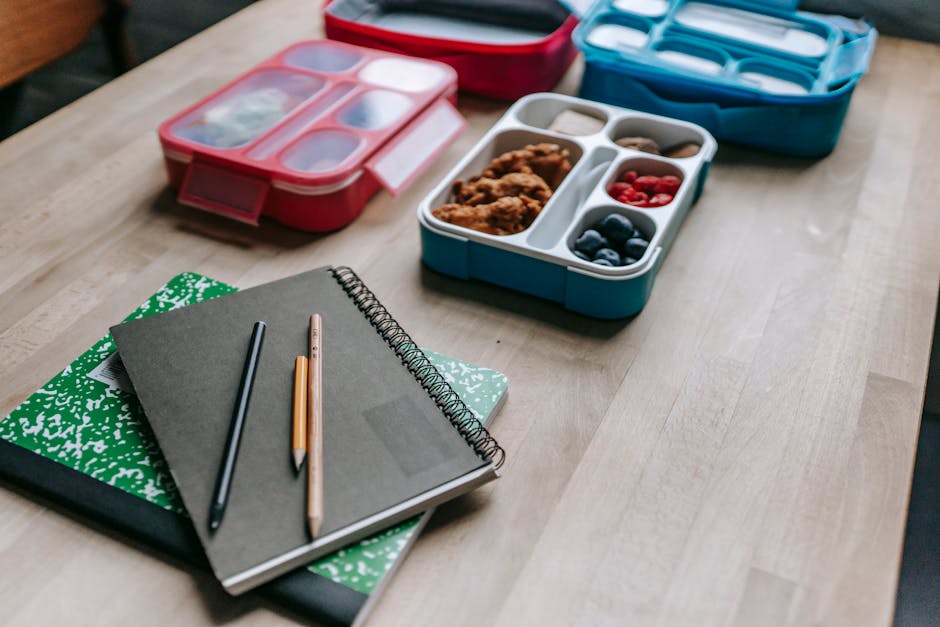
If you've spent any time in the meal prep community, you've seen the containers of grilled chicken, the—— prepped grains, and the carefully portioned snack bags. But tucked into the mix of weekend prep sessions, one strategy consistently delivers the highest return on invested time: prep-ahead smoothie packs. These ready-to-blend frozen packets transform a four-minute morning task into a complete, nutrient-dense meal or snack.
As a dietitian working with busy professionals in Chicago, I've watched clients recover hours of morning chaos by spending ninety minutes on Sunday assembling smoothie packs that will fuel their entire week. The math is straightforward: ninety minutes of prep yields roughly ten days of grab-and-blend convenience. That's nine minutes of active time per day for a balanced meal that would otherwise trigger a drive-through stop or a skipped breakfast entirely.
The Practical Case for Frozen Smoothie Packs
The appeal of smoothie packs extends beyond convenience. When executed properly, prep-ahead systems solve three persistent problems that derail even the most dedicated meal preppers.
First, they eliminate decision fatigue. Decision fatigue is a documented psychological phenomenon where the quality of choices degrades throughout the day. By Sunday, your chicken and rice containers are sorted and labeled. By Wednesday, you're staring at the same containers wondering why you thought you'd want that particular combination again. Smoothie packs sidestep this entirely—the decision is made on Sunday, and Wednesday morning is just a blend.
Second, they solve the fresh produce problem. The USDA estimates that American households waste approximately 30% of purchased food, with fresh produce representing a significant portion of that waste. When you buy spinach for smoothies on Sunday, it turns limp by Wednesday. When you freeze spinach into portioned packs on Sunday, it remains perfectly usable through the following week.
Third, they create consistency. Most people blend smoothies inconsistently, sometimes too thick, sometimes too thin, sometimes forgetting entire ingredients. When your pack contains precisely measured amounts of everything except liquid, consistency becomes automatic.
Anatomy of a Balanced Smoothie Pack
A well-designed smoothie pack isn't simply "frozen fruit and vegetables." It's a calculated combination of macronutrients and micronutrients that delivers a complete, satiating meal. Understanding this framework allows you to customize packs to your specific needs rather than relying on generic recipes.
The Five Components
Every effective smoothie pack contains five functional components that work together:
1. Liquid Base (8-12 fluid ounces)
This isn't typically frozen with the pack—it's added fresh each morning. Water provides hydration without calories. Milk or plant-based alternatives add protein and fat. For those tracking macronutrients, this is where you calibrate liquid choices to hit your targets.
2. Protein Source (20-30 grams)
Protein transforms a smoothie from a snack into a meal. Options include protein powder, Greek yogurt, silken tofu, or cottage cheese. Protein powder offers the most consistent portion control, which is why most prep-focused recipes lean on it.
3. Carbohydrate Source (30-50 grams)
Carbohydrates provide energy and improve the texture and taste of smoothies. Frozen fruit serves double duty here, delivering both carbohydrates and micronutrients. Bananas, mangoes, berries, and pineapple are standard choices that most Americans can access year-round.
4. Vegetable Foundation (1-2 cups)
This is where nutrition density skyrockets without proportional calorie increases. Spinach, kale, frozen cauliflower, zucchini, or cucumber add fiber, vitamins, and minerals while keeping the carbohydrate count manageable. The flavor is largely masked by fruit, making this an easy win for vegetable-averse eaters.
5. Fat Source (10-15 grams)
Dietary fat slows digestion, extends satiety, and improves the absorption of fat-soluble vitamins. Avocado, nut butter, chia seeds, hemp seeds, or coconut oil serve this function. A single tablespoon of almond butter or peanut butter covers most of this requirement.
Building Your Prep System: A Practical Framework
The actual assembly process matters less than having a system that works for your schedule and kitchen. What follows is the framework I recommend to clients after testing various approaches in real kitchens with real time constraints.
Essential Equipment
You don't need specialized equipment, but certain tools make the process significantly faster:
- A high-powered blender ( Ninja, Vitamix, or Blendtec—the investment pays for itself in durability and performance)
- Gallon and quart freezer bags (reusable silicone bags work equally well)
- A kitchen scale (for consistent portions)
- A permanent marker for labeling
- A large sheet pan or baking sheet for freezing flat
That's the entire equipment list. Skip the specialized smoothie pack containers with their complicated lids and interlocking shapes, simple bags freeze faster, stack better, and cost a fraction of the price.
The Sunday Prep Session
For a household making ten smoothie packs per week, the actual hands-on prep time runs approximately 45-60 minutes. Here's how to structure that time efficiently:
Phase One: Gather and Measure (15 minutes)
Pull all ingredients for your base recipe. If you're making multiple flavor variations, measure out each batch before beginning assembly. Working this way prevents cross-contamination of measuring cups and keeps flavors distinct.
Phase Two: Assemble (20 minutes)
Add each ingredient to a labeled bag in the same order. This consistency makes assembly automatic, you won't forget ingredients because the sequence becomes muscle memory.
Phase Three: Freeze Flat (25 minutes including waiting)
Spread filled bags on a sheet pan in a single layer. Place in the freezer and allow to freeze solid, approximately 2 hours. After freezing, the bags can be stacked vertically or horizontally, maximizing freezer space.
US Grocery Realities: Where to Source Ingredients
Smoothie pack prep adapts to American grocery shopping patterns, but understanding which retailers offer the best value for specific ingredients prevents overspending.
For frozen fruits and vegetables, discount retailers typically outperform traditional supermarkets. Walmart's Great Value frozen fruit selection covers most smoothie bases at approximately 40-60% less than name brands. Costco's Kirkland Signature frozen organic fruit works exceptionally well for households going through multiple packs weekly. Aldi has expanded its frozen section significantly and now offers organic frozen berries, mango chunks, and vegetables at prices that typically beat national chains.
Fresh produce for freezing requires a different approach. Buying fresh spinach, kale, or bananas in bulk and freezing them yourself costs significantly less than purchasing pre-frozen versions. A two-pound bag of fresh spinach from most grocery stores runs $2.50-4.00 and yields approximately 8-10 smoothie packs. The same quantity of frozen spinach cubes typically costs $4.00-6.00 for a smaller quantity.
The trade-off is time, you're adding a washing and portioning step to your prep session. For households making fewer than 5 packs weekly, pre-frozen vegetables may still make sense despite the higher cost. Above that threshold, freezing fresh produce becomes the more economical choice.
Regional Produce Considerations
The continental United States spans multiple USDA plant hardiness zones, and produce availability varies accordingly. This variation actually benefits smoothie pack preppers if you adjust expectations seasonally.
In Southern states, tropical fruits like mangoes, papayas, and passion fruit appear at reasonable prices in Hispanic grocery stores and specialty markets from late fall through early spring. These ingredients add significant nutritional variety compared to the standard berry-banana rotation. In Northern states, frozen fruit options in mainstream grocery stores tend to be more limited, making warehouse club memberships more valuable for sourcing variety.
Regardless of region, farmers markets offer opportunities to source local frozen produce in season. Many markets now have vendors selling pre-frozen local berries, stone fruits, and melons, often organic or spray-free at prices competitive with conventional grocery store options.
Storage: What Actually Works
Most resources suggest smoothie packs keep for 1-2 weeks in the freezer. In practice, the timeline varies based on ingredient composition and how you've packaged them.
Packs containing primarily frozen fruit and vegetables without dairy maintain quality for 4-6 weeks. Once you introduce Greek yogurt, cottage cheese, or fresh avocado, the window narrows significantly to 5-7 days maximum. This is why I recommend keeping protein powder and fresh add-ins separate from the frozen pack, freeze the shelf-stable components together and add perishables fresh each morning.
The Cost Breakdown: A Weekly Analysis
One of the most common questions I receive involves cost. Are smoothie packs actually cheaper than buying prepared options or stopping at smoothie shops? The answer requires examining the numbers directly.
| Ingredient | Quantity for 10 Packs | Approximate Cost | Cost Per Pack |
|---|---|---|---|
| Frozen mixed berries (Costco) | 2 bags (32 oz total) | $12.00 | $1.20 |
| Bananas (fresh, frozen) | 5-6 medium bananas | $0.75 | $0.13 |
| Spinach (fresh, frozen) | 10 oz bag | $3.50 | $0.35 |
| Protein powder | 30 servings | $30.00 | $1.00 |
| Almond butter | 16 oz jar | $10.00 | $0.63 |
| Chia seeds | 12 oz bag | $8.00 | $0.40 |
| Total | ? | $64.25 | $3.71 per pack |
For comparison, a comparable smoothie from a chain like Tropical Smoothie Cafe or Jamba Juice runs $6.50-9.50 depending on location and customization. Even a basic fruit-and-yogurt option at a grocery store smoothie bar typically costs $5.00-7.00. The DIY approach delivers a savings of $1.80-5.80 per smoothie, which compounds to $18-58 weekly for someone having one smoothie per day.
Common Mistakes and How to Avoid Them
Through working with clients implementing smoothie pack systems, I've identified several failure modes that derail otherwise promising setups.
Mistake 1: Inconsistent portion sizes
Winging measurements leads to wildly variable smoothies, some too thick to drink, others watery and disappointing. A kitchen scale eliminates this problem entirely. Weigh ingredients once, record the weights, and replicate consistently. Over time, you'll develop intuition for portions, but the scale removes the learning curve.
Mistake 2: Ignoring the liquid ratio
The most common complaint about DIY smoothies is thickness inconsistency. This happens because people add liquid by feel rather than measurement. The fix is simple: always add liquid to a specific line on your blender jar, or measure it into a separate container first.
Mistake 3: Neglecting flavor balance
Smoothies made with only berries or only tropical fruits become monotonous. Successful pack systems rotate through flavor profiles: berry-forward, tropical, green (vegetable-heavy), and protein-forward. Each profile uses different ingredient ratios, keeping the routine interesting without requiring completely separate prep systems.
Mistake 4: Overcomplicating recipes
Many meal preppers attempt elaborate recipes with ten or more ingredients per pack. This creates beautiful nutrition profiles but overwhelms the system. Five to seven ingredients per pack delivers solid nutrition without assembly becoming a two-hour ordeal. Save the complex recipes for meals where you can appreciate them.
A Sample Weekly Rotation
Rather than prescribing a single recipe, here's a framework for creating variety while maintaining efficiency. This rotation works for one person making five packs weekly, using Sunday for a batch of 5 and Wednesday for a second batch.
Monday-Tuesday: Berry Protein Pack
1 cup frozen mixed berries, 1 frozen banana, 2 cups spinach, 1 scoop vanilla protein powder, 1 tablespoon chia seeds, 1 tablespoon almond butter. Blend with 1 cup milk and enough water to reach 12 ounces total.
Wednesday-Thursday: Tropical Recovery Pack
1 cup frozen mango chunks, 1/2 cup frozen pineapple, 1 frozen banana, 1 cup kale, 1 scoop vanilla protein powder, 1 tablespoon hemp seeds, 1/2 avocado. Blend with 1 cup coconut water and enough water to reach 12 ounces total.
Friday: Green Machine Pack
2 cups spinach, 1/2 cucumber (peeled), 1 frozen banana, 1/2 green apple, 1 scoop unflavored protein powder, 1 tablespoon almond butter, 1/2 inch fresh ginger. Blend with 1 cup water and 1/2 cup ice for a savory-adjacent green smoothie.
"The goal isn't perfection—it's consistency. A slightly imperfect smoothie made every morning beats a nutritionally perfect one you make twice a week because the prep felt overwhelming."
Advanced Techniques for Power Users
Once the basic system is running smoothly, several techniques can enhance outcomes without proportionally increasing effort.
Pre-blended concentrate packsinvolve blending all frozen ingredients together in a single batch, then portioning the blend into bags. This method produces a perfectly homogeneous smoothie every time and eliminates the need for a high-powered blender in the morning. The tradeoff is slightly longer prep time and less flexibility to customize individual packs.
Overnight softeningmoves one pack from the freezer to the refrigerator each night. By morning, the contents thaw enough to blend in seconds rather than minutes, and the reduced ice content allows for more flavorful, less frozen-tasting results. This approach works particularly well for anyone using a personal or travel blender.
Layered baggingseparates ingredients that might interact during freezing, particularly relevant for items containing citrus or vitamin C-rich foods, which can cause browning in delicate greens. Layering spinach at the bottom, frozen fruit in the middle, and seeds or nut butter in a small corner pocket prevents these issues.
Integrating Smoothie Packs Into Your Existing Prep
Smoothie packs shouldn't exist in isolation from your broader meal prep. The most successful clients I've worked with treat them as one component of a comprehensive system rather than a standalone project.
On Sunday, when you're already shopping, purchasing produce for both meals and smoothies prevents duplicate trips. When you're already washing and chopping vegetables for grain bowls, knocking out the spinach for smoothie packs adds negligible time. When you're portioning proteins for lunch, measuring protein powder into individual servings for smoothie packs takes seconds.
The practical value of smoothie packs lies in their simplicity executed consistently. A basic system with reliable execution delivers more benefit than an elaborate system abandoned after two weeks. Start with a single recipe for five packs, master the routine, then expand from there. The ninety minutes you invest this weekend can transform every morning for the next several weeks, turning a potential nutritional liability into a daily opportunity for nourishment.