Meal prep kitchen organization
The Economics of Kitchen Friction
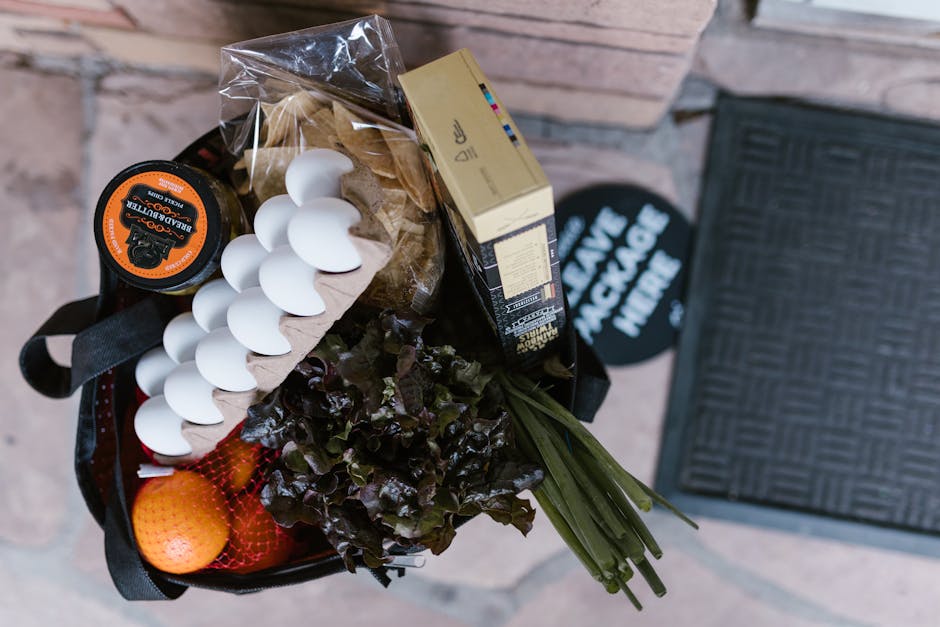
Walk into most American kitchens on a Sunday afternoon and you will likely find a scene of chaotic ambition. Counters cluttered with grocery bags from Trader Joe's or Kroger, a sink full of dishes, and a refrigerator so packed with condiments that finding the fresh produce requires an archaeological expedition. As a registered dietitian working with busy professionals in Chicago, I see this pattern constantly. Clients often assume their meal prep failure stems from a lack of willpower or culinary skill. The reality is almost always a failure of infrastructure.
Successful meal preparation is rarely about cooking prowess; it is about logistics. Without a dedicated organizational system, the friction of preparation outweighs the motivation to eat well. This guide outlines a structural approach to kitchen organization specifically designed for the US home cook, turning the kitchen from an obstacle course into an efficient production line.
Before purchasing a single container, we must analyze the cost of disorganization. In the United States, the average household wastes approximately one-third of the food it purchases. This is not merely an environmental concern but a significant financial drain. When your pantry hides ingredients behind expired boxes of crackers or your fridge buries fresh spinach behind leftover takeout containers, you are essentially throwing money directly into the trash.
Organization serves as the foundation for financial efficiency. When you can visually inventory what you own, you stop duplicating purchases. A client of mine, a senior associate at a downtown law firm, recently admitted to owning five jars of cumin because she could never find her spices. This redundancy costs time and money. By implementing a visible, logical storage system, we reduced her grocery bill by 18% in the first month alone.
The Visibility Principle
The core tenet of meal prep organization is visibility. If you cannot see it, you will not use it. This applies to dry goods, refrigerated items, and leftovers. In the US market, we have access to massive grocery stores with vast selection, which often leads to overbuying. A well-organized kitchen acts as a filter, forcing you to acknowledge your inventory before you shop.
Key Data Point:According to the USDA Economic Research Service, the average American family of four throws away roughly $1,500 in food annually. Effective kitchen organization and visibility protocols can reduce this waste by up to 25%, keeping nearly $375 per year in the household budget.
Zone Defense: Mapping Your Kitchen Workflow
Professional kitchens utilize "mise en place"?everything in its place. Home cooks can adopt a simplified version by zoning the kitchen into distinct functional areas. For the meal prepper, the kitchen is a factory floor. If your cutting board is stored in a different room than your knives, or your storage containers are buried under a pile of plastic lids, you introduce friction that kills momentum.
Consider the standard flow of meal prep:Retrieve ? Prep ? Cook ? Store ? Clean.Your kitchen layout should support this linear progression. In many US apartments and condos, galley kitchens or open-concept layouts can disrupt this flow if not managed intentionally.
The Prep Zone
This is your primary workstation. It requires clear counter space, immediate access to knives, cutting boards, and mixing bowls. In the US, we often use kitchen islands for this purpose. However, islands often become "dumping grounds" for mail, keys, and backpacks. You must defend this territory. If your prep zone is cluttered, you will spend the first 20 minutes of your Sunday prep session clearing space, a psychological barrier that leads many to abandon the task entirely.
The Storage Zone
This is where most meal prep systems fail. The "Tupperware cabinet" is the stuff of legend, a cascading avalanche of plastic containers and mismatched lids. To maintain a functional storage zone, you must standardize your vessels. Standardization allows for stacking, predictable portioning, and efficient use of refrigerator real estate.
Pro Tip:Standardize your glass container collection to one brand and one shape (usually rectangular). Square containers utilize 25% more fridge space than round ones because they tessellate without gaps. If you use a single brand like Pyrex or Anchor Hocking, you can purchase replacement lids independently, extending the life of your investment and reducing plastic waste.
The Pantry Overhaul
The American pantry is unique. It often houses a mix of bulk items from warehouse clubs like Costco or Sam's Club, specialty items, and everyday staples. Without a decanting system, bulk items are difficult to manage. A 10-pound bag of flour is difficult to handle daily, but it is cost-effective. The solution is decanting.
Decanting involves moving dry goods from their commercial packaging into uniform, airtight containers. This serves three purposes: it protects food from pests (a common issue in urban centers), extends shelf life, and creates visual uniformity. Clear containers are non-negotiable here. You need to see the level of your quinoa or brown rice at a glance.
US Pantry Staples Categorization
When organizing, group items by culinary function rather than just "cans" or "boxes." A functional categorization might look like this:
- Breakfast Bases:Oats, grits, granola, pancake mixes
- Proteins (Shelf-stable):Canned beans, canned fish (tuna/salmon), lentils, broths
- Grains & Starches:Rice, pasta, quinoa, barley, potatoes
- Flavor Enhancers:Oils, vinegars, hot sauces, soy sauce, spices
- Baking Essentials:Flours, sugars, baking powder, vanilla
- Snacks:Nuts, dried fruit, crackers, popcorn
By clustering these items, you can quickly assemble a meal concept. If you know you have a protein (canned black beans), a grain (rice), and flavor enhancers (salsa and spices), you have a burrito bowl concept without needing to hunt through the entire pantry.
Refrigerator Logistics for the Meal Prepper
The refrigerator is the holding tank for your hard work. A disorganized fridge leads to "leftover amnesia"?forgetting the chili you made five days ago until it spoils. US refrigerators are often large, side-by-side or French door models, but size does not equal organization. In fact, deep shelves can hide food in the back, creating a graveyard for produce.
Implementing a strict "First-In, First-Out" (FIFO) protocol is essential. This is standard in restaurants but rarely practiced at home. When you return from the grocery store, new items go to the back; older items move to the front. This forces you to use ingredients before they expire.
Temperature Zones
Understanding the temperature variance in your fridge can improve food safety and longevity. The bottom shelf is the coldest and is ideal for raw meats (if you eat them) or highly perishable items. The door is the warmest part of the fridge and should never hold milk or eggs, despite many fridges having egg trays in the door. Instead, use the door for condiments, jams, and sauces—items high in preservatives that can withstand temperature fluctuations.
| Fridge Zone | Temperature Range | Best For | Meal Prep Strategy |
|---|---|---|---|
| Upper Shelves | 38—F - 40—F | Ready-to-eat foods, leftovers, drinks | Store prepped lunches (salads, grain bowls) here for easy grab-and-go access. |
| Middle Shelves | 36—F - 38—F | Dairy, eggs, deli meats | Keep yogurt cups and cheese sticks accessible for snacks. |
| Lower Shelves | 32—F - 36—F (Coldest) | Raw meat, poultry, fish | Designate a "Prep Day" bin here for proteins waiting to be cooked. |
| Crisper Drawers | Humidity Controlled | Produce | High humidity for leafy greens; Low humidity for fruits (apples, pears). |
| Door Shelves | 40—F+ (Warmest) | Condiments, juices, butter | Consolidate half-empty bottles to save space; discard expired sauces. |
The Container Conundrum
If there is one hill I will die on as a consultant, it is the war against miscellaneous plastic. The drawer full of mismatched containers is the enemy of efficiency. For a serious meal prepper, the container system is the most critical investment.
In the US, we have access to high-quality glass storage systems. While the upfront cost is higher than cheap plastic, the long-term value is superior. Glass is non-porous, meaning it does not stain or retain odors from tomato sauce or curry. It is microwave and oven safe, allowing you to reheat food without transferring it to a plate. Most importantly, it is transparent, ensuring visibility.
Key Data Point:A study by the FDA regarding Bisphenol A (BPA) and phthalates suggests that while many plastics are now BPA-free, they can still degrade over time, especially when heated. Glass containers eliminate the risk of chemical leaching and have an indefinite lifespan if not broken, making them the superior choice for health-conscious meal prep.
Sizing Strategy
Do not buy a "set" simply because it is on sale at Target. Analyze your eating habits. Do you pack large salads for lunch? You need deep, rectangular 6-cup containers. Do you meal prep components separately (protein, starch, veg)? You need smaller, modular 1- to 2-cup containers.
My recommendation for most professionals is a three-tier system:
- The "Big Box" (6-8 cups):For large salads, pasta dishes, or family-sized leftovers.
- The "Standard Meal" (3-4 cups):The workhorse for a standard lunch portion of protein, grain, and vegetables.
- The "Component" (1-2 cups):For snacks (nuts, hummus), sauces (dressing, salsa), or pre-cut ingredients (diced onions, minced garlic).
Freezer Management: The Time Capsule
The freezer is the meal prepper's best friend or worst enemy. It is a time capsule that can preserve your labor for months, but without organization, it becomes a frozen wasteland of unidentifiable objects. The key to freezer organization is labeling.
Standard masking tape and a Sharpie are sufficient, but a label maker adds a level of professionalism and permanence. Every item entering the freezer must have two pieces of information: the contents and the date. "Chicken Soup - Oct 12" is infinitely more useful than a frosty mystery container.
Pro Tip:Invest in a vacuum sealer if you batch-cook proteins or freeze raw ingredients. Removing air prevents freezer burn, which is essentially dehydration caused by cold air exposure. Vacuum-sealed chicken breast can last 2-3 years in the freezer compared to 6 months in a standard Ziploc bag. This allows you to take full advantage of US meat sales without sacrificing quality.
The Flat-Freeze Method
Space is at a premium in most freezer compartments. Utilize the "flat-freeze" method for liquids like soups, stews, and sauces. Place a Ziploc bag (freezer-grade, not sandwich bags) inside a square container, fill it, seal it, and lay it flat to freeze. Once frozen, you have a thin "file" of food that can be stored vertically like a book on a shelf. This method can triple your usable freezer space.
The Sunday Reset: A Practical Framework
Organization is not a one-time event; it is a habit. I advise clients to adopt a "Sunday Reset" routine. This is a 30-minute window dedicated not to cooking, but to resetting the infrastructure of the kitchen.
The Sunday Reset involves clearing the sink, wiping down counters, and, most critically, auditing the fridge. Check the produce drawer. Is the lettuce wilting? Move it to the front for immediate use. Are there leftovers from Tuesday? Eat them for lunch or freeze them. This prevents the "science experiment" phenomenon that discourages people from opening their own refrigerator.
"The objective of cleaning is not just to clean, but to feel happiness living within that environment." ? Marie Kondo. While I am not a minimalist absolutist, this principle applies to meal prep. A clean, organized prep environment lowers the cognitive load required to start cooking, making the healthy choice the easy choice.
Equipment Maintenance and Storage
Organization extends to your tools. Dull knives are dangerous and inefficient. A knife block takes up valuable counter space. Instead, consider a magnetic strip mounted on the wall or inside a cabinet door. This keeps blades accessible and protected.
Small appliances are another organizational challenge. The Instant Pot, the air fryer, the blender—these are staples of the modern American kitchen but they consume massive amounts of counter space. If you use an appliance daily (like a coffee maker), it earns counter rights. If you use it weekly (like a stand mixer or Instant Pot), it belongs in a cabinet or pantry. If you use it monthly, consider if it is worth the storage real estate.
Key Data Point:The average US kitchen has 4.5 small appliances, yet only 1.5 are used daily. Storing unused appliances in lower cabinets or donating them can reclaim up to 4 square feet of counter space, which is essential for efficient batch cooking.
The "Un-Dumping" Ground
The final frontier of kitchen organization is the counter. In many households, the kitchen counter is the landing pad for mail, school permission slips, car keys, and electronics. This is a territorial battle you must win. Designate a different landing zone for these items (a mudroom, a console table, or a dedicated "command center" elsewhere). If the counter is clear, you can start meal prepping in seconds rather than spending twenty minutes clearing a path.
Conclusion
Meal prep kitchen organization is an investment in your future self. It removes the friction that derails healthy eating intentions. By standardizing your containers, zoning your fridge, and maintaining a strict inventory system, you transform your kitchen from a source of stress into a tool for success. The goal is not a showroom kitchen, but a functional workspace that serves your health and your schedule. Start small, clean out the fridge, standardize the containers, and clear the counter. The efficiency you gain will pay dividends in time, money, and well-being for years to come.