Meal prep for weight loss goals
The Case for Meal Prep in Your Weight Loss Journey
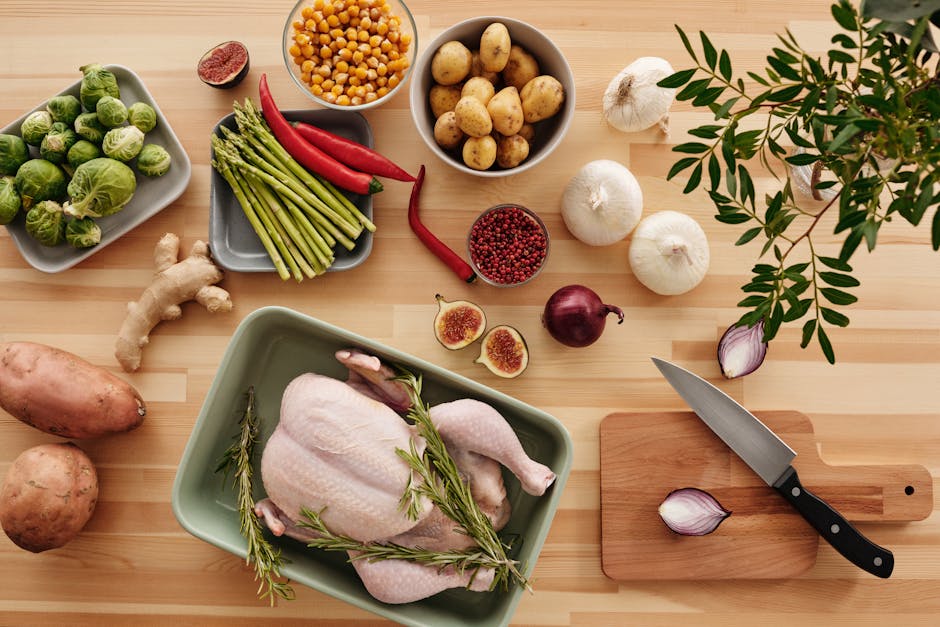
Every January, millions of Americans make the same resolution: lose weight. They join gyms, buy treadmills that become expensive clothing racks, and stock their fridges with precut vegetables that slowly wilt over three weeks. By March, many have abandoned the effort, not because they lack willpower, but because they never addressed the real problem. The average American makes over 200 food decisions per day, most of them while distracted, rushed, or emotionally compromised. When dinner rolls around at 7 PM after a twelve-hour workday, the idea of assembling a nutritionally balanced meal feels insurmountable. This is where meal prep collapses under its own weight.
Meal prep for weight loss isn't about spending Sundays cooking elaborate tupperware sculptures. It's about reducing decision fatigue, controlling portions, and ensuring that when hunger strikes, the healthiest option is also the most convenient one. For Americans juggling demanding careers, family obligations, and increasingly expensive grocery bills, a structured approach to meal preparation offers a practical path forward, one grounded in behavioral science rather than wishful thinking.
Research showsthat people who prep meals at home consume an average of 200-400 fewer calories per day compared to those who rely on restaurant food or takeout. Over a year, that deficit translates to 20-40 pounds of weight loss without logging a single calorie or stepping onto a scale.
Understanding Your caloric baseline
Before discussing containers and chicken breasts, you need a starting point. Weight loss fundamentally comes down to sustained caloric deficit, consuming fewer calories than your body burns over extended periods. The challenge for most Americans isn't knowing this principle; it's accurately estimating how many calories they actually need.
The Harris-Benedict equation, updated in 1984, remains a reliable method for estimating basal metabolic rate (BMR)—the calories your body burns at complete rest. Combined with activity multipliers, it provides a workable framework for most healthy adults. The following table shows estimated daily caloric needs for American adults across different activity levels:
| Age Range | Sedentary | Moderately Active | Active |
|---|---|---|---|
| 19-30 years | 2,000-2,400 | 2,400-2,600 | 2,800-3,000 |
| 31-59 years | 1,800-2,200 | 2,200-2,400 | 2,400-2,800 |
| 60+ years | 1,600-2,000 | 1,800-2,200 | 2,000-2,400 |
For weight loss, subtract 500-750 calories from your calculated maintenance level. This creates a deficit of 3,500-5,250 calories per week, one to one-and-a-half pounds of fat loss, a pace sustainable for most people without feeling deprived. Dropping below 1,200 calories daily for women or 1,500 for men risks muscle loss, nutrient deficiencies, and the metabolic slowdown that derails long-term progress.
The 5-Day Structural Framework
Rather than attempting to prep seven days of food simultaneously, overwhelming for anyone with a job and a life, focus on weekdays. The typical American weekday follows a predictable rhythm: early morning departure, midday lunch (whether at home or packed), and evening return between 6 and 8 PM. Weekends often involve social eating, restaurant meals, or more flexible timing that makes rigid meal prep less critical.
This framework centers on five prep sessions per week, with built-in flexibility for weekends:
- Sunday Session (60-90 minutes):Cook 3-4 lean protein sources, prepare 2-3 complex carb bases, wash and portion vegetables, assemble grab-and-go breakfast options
- Wednesday Mid-Week Refresh (20-30 minutes):Assess what remains from Sunday, prepare 1-2 fresh items to prevent food fatigue, adjust portions based on actual hunger patterns observed earlier in the week
- Daily Assembly (5 minutes each morning):Pack lunch container, grab breakfast from prepped options, set out afternoon snack portions
Pro Tip:Invest in a kitchen scale for the first month. Most Americans dramatically underestimate portion sizes, particularly proteins. A "serving" of chicken looks tiny on a dinner plate but weighs only 3-4 ounces cooked. Weighing your prep portions once eliminates guesswork and calibrates your eye for future batches.
Macro Distribution for Sustainable Weight Loss
Calories matter most for weight loss, but macro composition determines whether you're losing fat or muscle, maintaining energy levels, and keeping hunger manageable. The standard "balanced diet" advice (45-65% carbs, 20-35% fat, 10-35% protein) covers an enormous range and doesn't account for individual variation. For most Americans eating a standard diet heavy on processed foods and light on protein, increasing protein intake delivers the most significant benefit.
Protein requires more energy to digest, preserves lean muscle during caloric restriction, and produces the strongest satiety response per calorie. A practical target for weight loss is 0.7-1 gram of protein per pound of target body weight. A 180-pound man aiming for 165 pounds should target 115-165 grams of protein daily, not the 56 grams in standard government guidelines, which assume sedentary individuals.
Protein timing matters less than total daily intake.Spreading protein across 4-5 meals (roughly 25-35 grams per meal) optimizes muscle protein synthesis throughout the day. For meal prep purposes, this means ensuring each lunch and dinner container contains at least 30-40 grams of protein from whole food sources.
For carbs, prioritize complex sources with fiber: brown rice, quinoa, sweet potatoes, oats, and legumes. These provide sustained energy, support digestive health, and keep insulin levels stable. Americans consume approximately 70% of daily calories after 6 PM, disrupting metabolic rhythms. Front-loading carbs earlier in the day, particularly around workouts, improves energy utilization and sleep quality.
Fats should constitute 25-35% of total calories, emphasizing unsaturated sources: olive oil, avocados, nuts, seeds, and fatty fish. Fat adds flavor and satiety, making restrictive diets more sustainable. Avoid the low-fat paradigm that dominated American nutrition advice for decades—it led directly to the ultra-processed, sugar-laden "fat-free" products now implicated in the obesity epidemic.
Budget-Friendly Meal Prep in the US Context
Grocery inflation has hit American families hard. Between 2020 and 2024, food prices increased nearly 25%, with protein sources seeing some of the largest jumps. Chicken breast, once the budget dieter's staple, now costs $3.50-$4.50 per pound in many regions. This makes strategic meal planning essential, not just for nutrition, but for financial survival.
Several protein sources offer superior cost-per-gram-of-protein ratios:
- Whole chickens ($1.50-$2.50/lb):Roast one on Sunday; you'll get breast meat for high-protein meals, thighs for more forgiving meals, and bones for homemade stock. One 4-pound bird yields roughly 2.5 pounds of usable meat.
- Canned tuna and salmon ($0.80-$1.50/serving):Surprisingly affordable, portable, and packed with omega-3s. Stock up when on sale.
- Eggs ($0.20-$0.35/egg):One egg contains 6 grams of complete protein. A dozen eggs costs $3-5 and serves as breakfast, lunch add-in, or quick dinner.
- Dried legumes and canned beans ($0.30-$0.75/serving):Protein + fiber + virtually unbreakable shelf stability. Batch-cook black beans, lentils, or chickpeas on weekends.
- Pork tenderloin ($2.50-$4/lb):Often cheaper than chicken breast, with 22-25 grams protein per 3-ounce serving. Frequently on sale around holidays.
"The best diet is the one you can maintain for five years, not the one you can follow for five weeks. Sustainability beats optimization every time." ? Jordan Mitchell, RD
Building Your Prep Template
Successful meal prep requires template thinking, not rigid recipe following. Each lunch container should contain:
- 4-5 ounces lean protein:Rotating chicken breast, ground turkey, salmon, or plant proteins
- 1-1.5 cups complex carbs:Brown rice, quinoa, roasted sweet potato, or legumes
- 2+ cups vegetables:Usually roasted or steamed, occasionally raw as crunch contrast
- 1-2 tablespoons sauce or dressing:Pack separately to prevent sogginess; choose low-sodium, whole-ingredient options
- 1 serving healthy fat:Half an avocado, small handful of nuts, or drizzle of olive oil over vegetables
This template yields approximately 450-550 calories per container with 30-40 grams of protein, ideal for a weight-loss-focused lunch. Adjust proportions based on your caloric targets and hunger levels.
Pro Tip:Freeze half your prep on day one. Not everything freezes well (avoid mayonnaise-based salads, raw leafy greens, and breaded items), but grilled chicken, cooked rice, and roasted vegetables freeze and reheat beautifully. By freezing 5-6 containers immediately, you build a rotating backup stock. When life happens, unexpected overtime, social events, illness, you have healthy options ready, eliminating the takeout reflex.
Common Pitfalls and Prevention Strategies
Most meal preppers abandon the practice within six weeks. The failure isn't about food—it's about systems. Understanding common pitfalls lets you build preventive measures into your routine from the start.
Food fatigue:Eating the same chicken and broccoli combination five days in a row destroys motivation by day three. Solution: prep 2-3 protein options and 2-3 carb options separately. Mix and match throughout the week. Thursday's lunch might be chicken with rice; Friday's might be the same chicken with quinoa instead. Small variations maintain interest.
Wasted prep:You cook eight containers, eat four, and watch the rest spoil by Wednesday. Solution: Start with three days of prep, not seven. After two weeks, you'll know your actual consumption patterns and can scale appropriately.
Improper storage:Glass containers with cracked lids leak. Mason jars fog with condensation. Solution: Invest in quality containers with reliable seals. Stackable BPA-free plastic works fine if you're replacing it annually. Glass lasts longer but costs more upfront. Either system beats the "mystery tupperware" situation currently colonizing most American kitchens.
Temperature danger zone:Per USDA guidelines, prepared foods should spend no more than 2 hours in the "danger zone" (40-140—F). If your office lacks refrigeration, pack an insulated bag with frozen gel packs. Lunches stored properly in the fridge remain safe for 4-5 days. When in doubt, freeze and thaw overnight in the refrigerator.
Sample 5-Day Prep Schedule
Here's a concrete example of what a week's prep might look like, designed for a 180-pound moderately active male targeting 2,200 calories daily:
| Day | Breakfast | Lunch | Snacks | Notes |
|---|---|---|---|---|
| Monday | Overnight oats (350 cal, 12g protein) | Turkey rice bowl (520 cal, 38g protein) | Greek yogurt + apple, hand—ful almonds | Full Sunday prep |
| Tuesday | 3 eggs + toast (400 cal, 22g protein) | Turkey rice bowl (520 cal, 38g protein) | Greek yogurt + apple, hand—ful almonds | |
| Wednesday | Protein smoothie (380 cal, 30g protein) | Chicken black bean bowl (480 cal, 42g protein) | String cheese, carrots + hummus | Mid-week refresh: prep chicken |
| Thursday | Overnight oats (350 cal, 12g protein) | Chicken black bean bowl (480 cal, 42g protein) | String cheese, carrots + hummus | |
| Friday | 3 eggs + toast (400 cal, 22g protein) | Salmon sweet potato (510 cal, 36g protein) | Hand—ful almonds, apple | Fish added Wednesday |
This provides approximately 1,850-2,100 calories with 150-170 grams of protein, slightly under target, allowing for a balanced dinner with family or coworkers. The weekend remains flexible, accommodating social meals without rigid tracking.
Beyond the Container: Building Habits That Stick
Meal prep tools and techniques matter less than the psychological shift they enable. When healthy eating becomes the default rather than the constant exception, weight loss happens as a side effect of a sustainable lifestyle, not as a separate project demanding willpower reserves that deplete by Wednesday.
Start with the smallest possible commitment: prep one lunch this week. Not five lunches, not a week's worth. One lunch. Eat it, notice how it felt to have that decision already made, and evaluate whether the experience was worth repeating. Expand from there based on evidence, not enthusiasm. The Americans who succeed at permanent weight management aren't those with superior discipline—they're the ones who built systems that make discipline unnecessary.
Your prep setup will evolve. Your targets will shift as you lose weight and change activity levels. Your taste preferences will grow and diversify. That's not failure, that's the process working. The goal isn't a perfect week of eating. It's a lifestyle where nutritious food feels like the obvious, effortless choice—the default, not the exception.