Meal prep for travel and work
The Strategic Value of Mobile Meal Prep
By Jordan Mitchell, RD
Maintaining consistent nutrition habits while juggling a demanding career and domestic travel schedule presents a unique set of challenges for American professionals. The convenience ecosystem in the United States—from drive-thru lanes on interstate highways to the ubiquity of ultra-processed snacks in office breakrooms, is engineered for impulse, not longevity. For the meal prep enthusiast, the friction arises not from a lack of knowledge, but from the logistical friction of moving food safely, maintaining its quality, and fitting preparation into already overbooked calendars.
This guide moves beyond basic recipes. Instead, we analyze the logistics of mobile meal management, offering frameworks for preserving food safety during cross-country flights, modern American office , and maximizing the return on your time investment in the kitchen.
The decision to prep meals for work or travel is often framed as a financial decision. While the cost savings are undeniable, airport food prices have inflated significantly beyond standard consumer price indexes—the primary value driver for high-performers is cognitive load management. Every decision made regarding food depletes a finite reservoir of daily willpower. By pre-deciding your lunch on a Tuesday or your breakfast before a 6:00 AM flight to Dallas, you reserve mental bandwidth for high-stakes professional decisions.
However, the execution is where most systems fail. A meal that requires complex assembly in a cramped airline seat or a lunch that requires a fifteen-minute reheat queue in the office microwave is a system primed for abandonment. Effective meal prep for the working professional must prioritize portability, shelf stability, and "grab-and-go" functionality.
The "Cold Lunch" Reality Check
One of the most common points of failure in office meal prep is the reliance on heating. In many corporate environments, the microwave situation is either unsanitary or heavily congested during peak hours (typically 12:00 PM to 1:00 PM). Furthermore, for travelers, access to a microwave is never guaranteed.
According to the USDA Food Safety and Inspection Service, perishable foods should never be left in the "danger zone" (between 40—F and 140—F) for more than two hours. In the context of a commute or a delayed flight, this window closes rapidly, turning a healthy lunch into a food safety risk.
Shifting your meal prep strategy to focus on foods that are palatable at ambient or chilled temperatures eliminates the single point of failure in the heating chain. This requires a shift in culinary philosophy: moving away from "dinner leftovers" (which often require reheating to be enjoyable) toward composed dishes designed for cold consumption.
Logistics for the Domestic Traveler
Traveling within the United States involves specific regulatory constraints, primarily those enforced by the Transportation Security Administration (TSA). Understanding these rules is not merely about compliance; it is about designing a meal system that survives security checkpoints without causing delays.
Navigating TSA Regulations with Real Food
The TSA, s "3-1-1 rule" is widely understood for liquids, gels, and aerosols, but its application to meal prep often causes confusion. The rule dictates that liquids must be in containers of 3.4 ounces (100 milliliters) or less. However, "liquid" is a broad category in the eyes of a security officer. It includes:
- Sauces and dressings (including salsa and hummus)
- Soups and stews
- Yogurt and pudding
- Ice packs (unless frozen solid)
- Creamy cheeses (like brie or spreadable cheese)
A container of homemade chili or a mason jar of overnight oats with a runny consistency may be flagged and confiscated. To build a compliant meal prep system for air travel, you must decouple the "wet" components from the "dry" components.
Pro Tip:The "Solid State" Strategy. When prepping for air travel, freeze your wet components (soups, stews, sauces) solid before packing. The TSA permits frozen liquids through security as long as they are completely solid with no slush or liquid at the bottom of the container. A frozen block of turkey chili acts as its own ice pack during the flight and thaws perfectly for a meal later in the day.
Equipment for the Road Warrior
The American travel varies wildly—from the spacious rental car counters of Phoenix Sky Harbor to the cramped terminals of LaGuardia. Your equipment must be modular.
Insulated Food Jars:Investing in a high-quality, wide-mouth insulated food jar (typically 16-25 ounces) is essential. These containers can keep hot foods hot for 6-8 hours or cold foods cold for the same duration. This allows you to bypass the microwave hunt entirely.
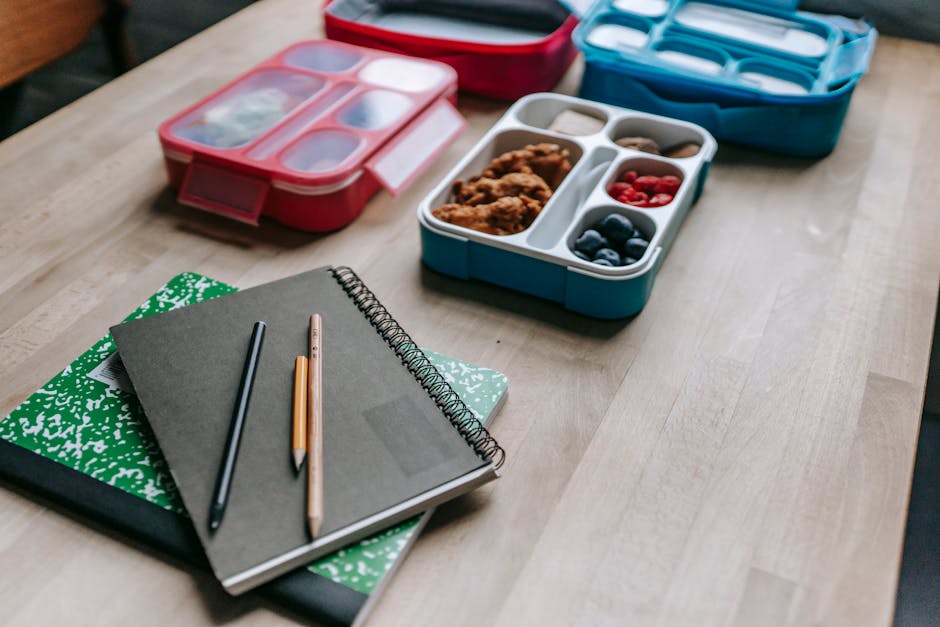
The Bento Solution:For cold meals, leak-proof bento-style boxes with internal dividers are superior to single-compartment containers. They allow for texture separation, keeping croutons crunchy and greens crisp, which is a major factor in meal satisfaction.
The Office Environment: A Hostile Territory?
The modern American office is often nutritionally hostile. The "treat culture"?birthday cakes, leftover meeting pastries, and vending machines, creates a constant battle against hyper-palatable foods. Meal prepping for the office is not just about bringing food; it is about creating a barrier against this environment.
The "Brown Bag" Upgrade
The traditional brown bag is obsolete. It offers no thermal protection and crushes easily. For the office professional, the meal prep bag should look like a piece of professional gear, not a lunchbox. Soft-sided cooler bags that resemble briefcases or totes are widely available and allow for discreet transport from the parking garage or subway to the breakroom fridge.
However, the office refrigerator introduces a second variable: theft and spoilage. Shared refrigerators are often opened frequently, causing temperature fluctuations that accelerate spoilage.
A study by the American Dietetic Association found that the average office refrigerator temperature often exceeds 40—F, the upper limit of the safe cold-storage zone. Relying on the office fridge to keep your lunch safe is a gamble.
The solution is a personal, desktop cooling solution. High-capacity lunch coolers with integrated ice walls can maintain safe temperatures for 8-10 hours, keeping your meal at your desk and away from the communal fridge's temperature swings and the temptation of passersby.
Batch Cooking for the 9-to-5
Efficiency in meal prep is achieved through volume. Cooking single meals is inefficient; cooking components is efficient. The "Component Method" involves preparing large batches of distinct macro-nutrients that can be mixed and matched throughout the week.
Consider the following framework for a standard American work week:
| Prep Category | Examples | Shelf Life (Refrigerated) | USDA Storage Notes |
|---|---|---|---|
| Hardy Greens | Kale, Spinach, Romaine hearts, Cabbage slaw | 5-7 Days | Store with paper towel to absorb moisture; avoid pre-dressing. |
| Complex Carbs | Quinoa, Brown Rice, Farro, Roasted Sweet Potatoes | 5-7 Days | Rice must be cooled rapidly within 2 hours to preventBacillus cereusgrowth. |
| Proteins | Grilled Chicken, Hard-boiled eggs, Tofu cubes, Ground Turkey | 3-4 Days | Best if stored in portioned containers; texture degrades after day 4. |
| Flavor Agents | Homemade vinaigrettes, Tahini drizzle, Salsa, Nut butters | 1-2 Weeks | Acid-based dressings act as preservatives for greens when applied early. |
By preparing these four columns on a Sunday, you can assemble a unique "Buddha Bowl" or salad in under three minutes each morning. This prevents "palate fatigue"—the boredom that sets in after eating the exact same meal for four consecutive days.
Food Safety in the Commuter Zone
For many Americans, the commute is a significant time block. Whether sitting on the Metro-North line into Manhattan or crawling along I-405 in Los Angeles, your food is sitting in a bag. Without proper thermal management, this is the danger zone.
The "Danger Zone" (40—F - 140—F) is the temperature range in which bacteria grow most rapidly. In a car sitting in a Dallas parking lot in July, internal temperatures can exceed 130—F within minutes. Conversely, in a Chicago winter, a salad might freeze, ruining the texture of delicate greens.
Thermal Management Systems
A successful meal prep system treats the lunch bag as a mobile refrigerator or oven.
- The Cold Chain:Use two ice packs. One should be placed at the bottom of the bag (cold air sinks), and the container of food placed on top, with the second ice pack on top of the food (cold air sinks down onto the food). This creates a cold loop.
- The Hot Chain:Pre-heat your insulated food jar by filling it with boiling water for 5 minutes. Pour out the water and immediately fill it with piping hot food. This "pre-charge" extends the heat retention by 2-3 hours.
Pro Tip:The "Thermal Equalizer." If you pack a cold salad and a hot entree in the same bag, they will exchange heat, leaving you with a warm salad and a cold entree. Use a divided lunch bag or place the hot container inside a separate insulated sleeve within the main bag to maintain distinct temperature zones.
Analytical Frameworks for Time Investment
As a time management consultant, I frequently see clients abandon meal prep because they view the time investment as a monolithic block they cannot afford. The "Sunday Scaries"—the anxiety of facing a massive cooking session on the weekend, leads to procrastination.
Instead, apply the concept ofmarginal gains. Prepping ingredients is often faster than prepping meals.
The "While-I-Wait" Method
This method integrates prep into existing downtime. While waiting for coffee to brew in the morning, or while supervising children, s homework in the evening, perform low-intensity prep tasks:
- Wash and chop vegetables for the week.
- Portion out nuts, seeds, or dry snacks into grab-bags.
- Marinate proteins for the next day's cooking.
- Boil a dozen eggs.
This fragments the workload, making the Sunday cooking session significantly shorter. If the vegetables are already chopped, the actual cooking time on Sunday is reduced by 50%.
Time-motion studies in domestic settings suggest that the average American spends 6.5 hours per week on meal preparation. By utilizing component prep and "while-I-wait" strategies, this can be reduced to 2.5 hours without sacrificing food quality or variety.
The Hotel Room and Extended Stay Protocol
For the business traveler on a multi-day trip, the constraints shift. You cannot bring a week's worth of food on a plane. You must rely on local sourcing. In the US, the proximity of grocery stores to hotels varies by region. In suburban or "edge city" locations (like Tysons Corner, VA or Plano, TX), a rental car makes grocery access easy. In dense urban centers (NYC, San Francisco), reliance on delivery services or small-format urban markets (like Trader Joe's or Whole Foods 365) is necessary.
The "First Stop" Rule
Upon arrival, before checking into the hotel, make a stop at a grocery store. This prevents the "I'm too tired, I'll just order room service" fallback. Purchase the "Hotel Kit":
- Breakfast:Greek yogurt, pre-washed fruit, and nuts.
- Hydration:A case of water (hotel bottled water prices are exorbitant).
- Snacks:String cheese, hummus cups, and vegetables.
This kit handles the peripheral meals, allowing you to save your per diem or budget for one intentional, enjoyable dinner out rather than overpriced, low-quality convenience food throughout the day.
"The successful warrior is the average man, with laser-like focus." ? Bruce Lee. In the context of nutrition, this focus applies not to the food itself, but to the system that delivers it. A system that requires willpower is a system that will fail. A system that runs on autopilot, where the salad is already packed and the ice pack is already frozen, is a system that sustains long-term health.
Adapting to Regional American Contexts
The United States is not a monolith. Meal prep strategies that work in a dry climate like Denver may fail in the humidity of Houston.
Humidity Considerations:In the Southeast and Midwest summers, humidity accelerates spoilage. Bread molds faster, and crisp greens wilt rapidly. In these regions, prioritize low-moisture carbs like crackers, tortilla wraps (which hold up better than bread), and pasta salads. Avoid delicate leafy greens for travel, opting instead for hearty kale or grain-based salads that improve with time.
Winter Commutes:In the Northeast and Upper Midwest, winter introduces a freezing risk. Leaving a lunch bag in the car during a Chicago winter is effectively placing it in a freezer. While this preserves safety, it ruins texture. Salads become icy; fruits turn to mush. In these climates, insulated bags are necessary not just to keep heat out, but to keep the ambient cold from freezing your food.
Conclusion: Systems Over Willpower
The intersection of professional ambition and nutritional integrity is often fraught with friction. The American of work and travel is designed for convenience, not health. Bridging this gap requires a shift in mindset from "dieting" to "logistics."
By treating your meal prep as a supply chain problem, managing temperature, navigating regulatory constraints, and optimizing time, you remove the friction that leads to poor choices. Whether you are terminal at O'Hare or the breakroom in a corporate park in Austin, the principles remain the same. Control your environment, prep for the temperature reality, and build a system that works when you are too busy to think.