Mason jar salads and layered meals
The Science of Mason Jar Meal Prep: Why Layering Works for American Lifestyles
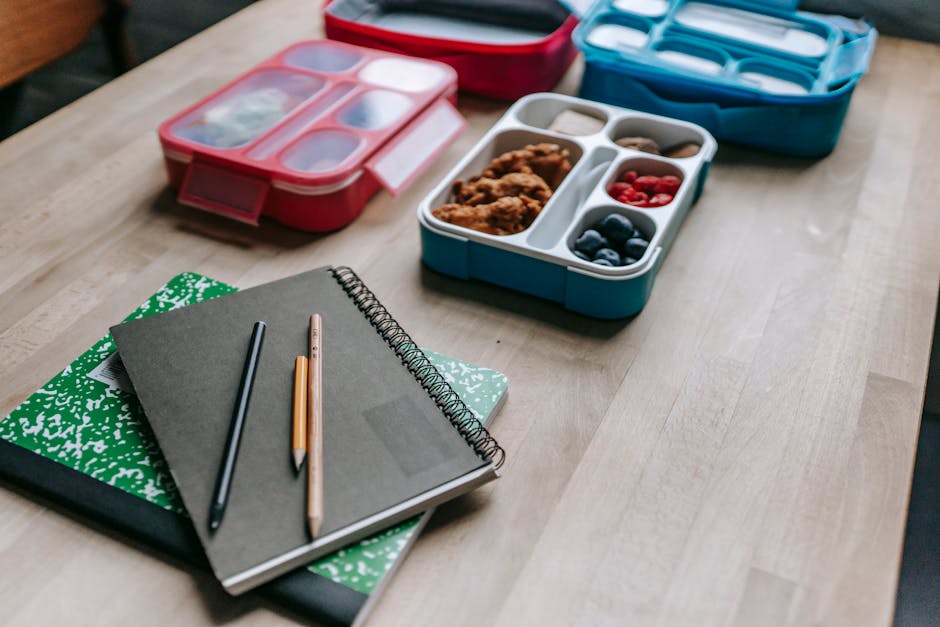
Picture this: It's 6:47 AM on a Tuesday in Austin, and Marcus, a software engineer, stands in front of his open refrigerator, calculating whether he has enough time to assemble a decent lunch before his 7:30 standup meeting. He doesn't. Three days a week, Marcus buys a $12 salad from the lobby cafe. By Friday, he's spent $36 on lunches that are neither particularly healthy nor memorable. This scenario plays out in break rooms across the country, from Boston to Phoenix, costing the average American professional approximately $1,800 to $2,400 annually in convenience food purchases.
Mason jar meal prep offers a practical counterpoint to this financial drain. The method, stacking ingredients in specific layers within a sealed glass jar, solves the core problems that derail most meal prep efforts: spoilage, soggy greens, awkward transport, and the tedium of washing multiple containers. For meal prep enthusiasts in the United States, understanding why Mason jar systems work, and how to execute them correctly, can transform weekday eating from an afterthought into a genuine highlight.
Why Mason Jars Dominate American Meal Prep Culture
The Mason jar's rise to meal prep royalty isn't accidental. The standard wide-mouth Mason jar, originally patented by John Landis Mason in 1858 for home canning, happens to have nearly ideal dimensions for a single-serving layered meal. The 32-ounce (quart) jar accommodates a substantial salad or grain bowl with room for dressing separation, while the 16-ounce pint jar works perfectly for snacking packs or smaller portions.
Beyond dimensions, the Mason jar offers specific advantages for American meal prep scenarios:
- Transparency? You see exactly what's inside, eliminating the "mystery container" problem in shared office refrigerators
- Durability? Borosilicate glass resists thermal shock, surviving the transition from refrigerator to microwave (with proper handling) or bag
- Leak-proof design? The two-piece lid creates a reliable seal that prevents the dressing-from-below, salad-from-top contamination that plagues zip-top bag prep
- Availability? Ball and Kerr jars appear in virtually every American grocery store, from Kroger in Cincinnati to Whole Foods in Seattle
The Layering Framework: What Goes Where and Why
The fundamental principle behind Mason jar salads is deceptively simple: ingredients are stacked in an order that maximizes freshness by keeping wet ingredients away from delicate ones. But understanding thewhybehind each layer helps meal preppers adapt the system to their specific preferences and schedules.
The Standard Layer Architecture
Most successful Mason jar recipes follow this seven-layer architecture from bottom to top:
Layer 1 (Bottom): Dressing
This is non-negotiable. Dressings go at the bottom because they need to be sealed away from everything else. When you're ready to eat, you shake the jar and the dressing rises through the layers, coating everything evenly.
Layer 2: Dense Proteins and Grains
Hard chickpeas, cooked farro, grilled chicken cubes, or baked tofu sit above the dressing. These ingredients benefit from sitting in dressing for up to five days and can handle the moisture without becoming soggy.
Layer 3: Beans and Legumes
Black beans, kidney beans, or lentils create a protein-dense base. These ingredients are sturdy enough to handle prolonged dressing exposure.
Layer 4: Hard Vegetables
Cherry tomatoes, chopped bell peppers, diced cucumbers, or shredded carrots provide crunch and color. These vegetables have structural integrity that allows them to maintain texture even after several days in dressing.
Layer 5: Soft Vegetables and Fruits
Avocado slices (if using), fresh berries, mandarin orange segments, or grilled corn occupy this middle zone. These items benefit from proximity to the dressing without being submerged.
Layer 6: Cheese and Nuts
Crumbled feta, shaved parmesan, chopped pecans, or toasted walnuts go near the top. Keeping these away from the dressing preserves their texture and prevents cheese from drying out.
Layer 7 (Top): Leafy Greens and Delicate Herbs
Spinach, arugula, torn basil, or microgreens crown the jar. These ingredients sit high and dry, protected from the dressing below by the other layers. This arrangement keeps greens crisp for five to seven days.
Cost Analysis: The Real Economics of Mason Jar Meal Prep
Understanding the actual cost comparison helps justify the time investment. Here's a breakdown based on typical American grocery prices from major chains:
| Component | Store-Bought Equivalent | Homemade Batch Cost (4 servings) | Per-Serving Savings |
|---|---|---|---|
| Salad base (mixed greens) | $5.99 per 5oz container | $4.50 for 20oz bulk | $0.22 per serving |
| Protein (chicken breast) | $8.99 pre-grilled (6oz) | $6.50 for 24oz raw, grilled | $0.62 per serving |
| Dressing (balsamic vinaigrette) | $4.99 per 12oz bottle | $2.00 homemade batch | $0.50 per serving |
| Mix-ins (veggies, cheese, nuts) | $7.99 prepared salad mix | $5.00 assembled | $0.75 per serving |
| TOTAL | $27.96 per day (4 servings) | $18.00 for 4 servings | $2.49 per serving |
Building Your First Week's Prep: A Practical Framework
For meal preppers in the United States, the biggest barrier isn't knowingwhatto make—it's establishing a sustainable system that fits real life. Based on consultations with hundreds of clients, the most successful approach follows a modified Sunday session with staggered assembly.
Sunday Afternoon (45-60 minutes):
- Cook grains and proteins in batch (quinoa, chicken, hard-boiled eggs)
- Wash and dry all produce
- Make 8-16 ounces of dressing (enough for two weeks)
- Chop vegetables for the week
Sunday Evening (20-30 minutes):
- Assemble two Mason jar salads for Monday and Tuesday
- Add leafy greens last, press down gently
- Seal and refrigerate immediately
Tuesday Evening (15-20 minutes):
- Assemble Wednesday and Thursday jars
- This two-day prep cycle maintains optimal freshness
Thursday Evening (10-15 minutes):
- Assemble Friday jar (and Monday jar if you want a head start)
Common Mistakes That Derail Mason Jar Meal Prep
Even experienced meal preppers encounter setbacks. Identifying these pitfalls before they happen saves time, money, and frustration:
Mistake 1: Using Whole Leafy Greens Instead of Torn or Chopped
Whole leaves don't pack down effectively and create large air pockets that allow dressing to pool. Always tear or chop greens into bite-sized pieces. This simple adjustment increases jar capacity by approximately 30% and ensures even distribution.
Mistake 2: Adding Avocado Too Early
Avocado oxidizes and turns brown within 24 hours, even in dressing. If you want avocado in your jar, add it morning-of or keep a sliced avocado in a separate container to add just before eating.
Mistake 3: Overfilling the Jar
The lid needs room to seal properly, and you need room to shake the jar without creating a salad explosion. Fill to approximately one inch below the jar's shoulder (where the diameter narrows). A 32-ounce jar should hold roughly 20-24 ounces of salad ingredients.
Mistake 4: Skipping the Paper Towel
Moisture accumulation during storage creates the soggy greens problem that discourages many meal preppers. Place a single paper towel on top of the greens before screwing on the lid. Replace it daily if you're prepping more than three days ahead.
Mistake 5: Ignoring the Dressing-to-Salad Ratio
Most store-bought dressings are too heavy for Mason jar prep. Use approximately one to one-and-a-half tablespoons of dressing for a 32-ounce jar. Heavier dressings (ranch, blue cheese) need even less because they coat more effectively than thin vinaigrettes.
"The Mason jar system taught me that meal prep isn't about eating the same sad lunch five days in a row. It's about having a delicious, fresh option ready in 90 seconds every single day." ? Sarah K., Financial Analyst, Minneapolis
Beyond Salads: Expanding the Mason Jar System
While layered salads represent the most popular Mason jar application, the underlying principle extends to numerous meal categories that suit American palates and schedules.
Overnight Oats
The Mason jar excels at no-cook breakfast prep. Combine rolled oats, Greek yogurt, chia seeds, maple syrup, and fruit in a pint jar. Refrigerate overnight. By morning, you have a ready-to-eat breakfast that requires zero assembly time. Popular combinations include PB&J (peanut butter, banana, strawberries) and apple cinnamon with walnuts.
Mexican Layered Bowls
For a Tex-Mex variation, layer cilantro-lime dressing at the bottom, followed by seasoned black beans, grilled chicken, roasted corn and peppers, pico de gallo, shredded cheese, and tortilla strips on top. This combination holds well for four to five days and translates perfectly to a office microwave reheat (remove the tortilla strips first).
Caprese Pasta Jars
For a hot-meal option, layer small pasta (orecchiette or farfalle work well) with sun-dried tomato dressing, mozzarella pearls, halved cherry tomatoes, fresh basil, and prosciutto. Add the pasta warm to the jar and seal immediately—the steam creates a vacuum that helps preserve the components. These work best for consumption within 48 hours.
Regional Adaptations for American Tastes
Meal prep systems gain stickiness when they align with regional food preferences. Here are adaptations that resonate across different American markets:
Pacific Northwest:Incorporate Pacific Northwest flavors like wild salmon, hazelnuts, dried cranberries, and orange segments. Use poppy seed dressing or a light citrus vinaigrette. Many Seattle and Portland meal preppers add Pacific-caught smoked trout for omega-3 benefits.
Southern:Replace standard vinaigrettes with Buttermilk Ranch or spicy buffalo sauce. Add fried onions, pickled jalape—os, and cornbread croutons. Collard greens or chopped kale work better than standard lettuce in Southern-style jars and maintain freshness longer.
Southwest:Layer charred corn, black beans, roasted peppers, cotija cheese, and chipotle-lime dressing. Add fresh cilantro just before eating. This combination works well for meal prep because the bold flavors mask any minor texture changes in vegetables over several days.
New England:Focus on autumn and winter produce, roasted butternut squash, dried cranberries, maple-glazed walnuts, and apple cider vinaigrette. This regional approach aligns with seasonal produce availability and reduces ingredient costs by 15-25% compared to out-of-season imports.
Transportation and Office-Friendly Protocols
The practical reality of American office life means Mason jar salads must survive bag commutes, potential tipping, and shared refrigerator storage. A few protocols address these realities:
- Invest in silicone sleeves or jar cozies? Prevents the jar from sliding in your bag and provides grip for shaking
- Pack the jar upright? Use a dedicated compartment in your lunch bag or a protective sleeve
- Keep a backup fork in your desk? Long-tined salad forks work better than standard dinner forks for Mason jar eating
- Eat within four hours of removal from refrigeration? While the salads remain safe longer, optimal texture degrades at room temperature
- Label your jar clearly? Include your name, the date prepared, and any allergen information
Evaluating Your System: When to Adjust
Meal prep systems require iteration. After two weeks of Mason jar prep, evaluate these metrics:
- Completion rate:Are you actually eating the salads you prep? If not, identify the barrier, too much dressing, unappealing combinations, insufficient protein?
- Freshness window:Does your Monday jar still taste good on Friday? If not, reduce prep batch size or adjust the layer order.
- Cost tracking:Are you meeting the savings targets? If ingredients cost more than expected, switch to seasonal produce or store brands.
- Time investment:Is the prep time sustainable? If not, consider halving the batch and supplementing with quick-assembly components.
Moving Forward: Building Sustainable Habits
Mason jar meal prep succeeds because it addresses multiple pain points simultaneously: it's cost-effective, customizable, time-efficient, and genuinely enjoyable to eat. But the real power lies in how these small daily wins compound over time. A person who saves $50 weekly on lunches and gains back 30 minutes of daily decision-making time has fundamentally altered their relationship with food and schedules.
Start with two jars for your first week. Master that scale before expanding. The goal isn't to transform every meal into a Pinterest-perfect layered creation—it's to remove food anxiety from your daily life and reclaim both money and time for priorities that actually matter.
The Mason jar on your counter won't solve every nutritional challenge or time management problem. But it's a remarkably durable, affordable, and flexible tool that has earned its place in American meal prep culture for over 160 years. That's a track record worth leveraging.