How to plan a week of meals in 30 minutes
Why Meal Planning Fails (And What Actually Works)
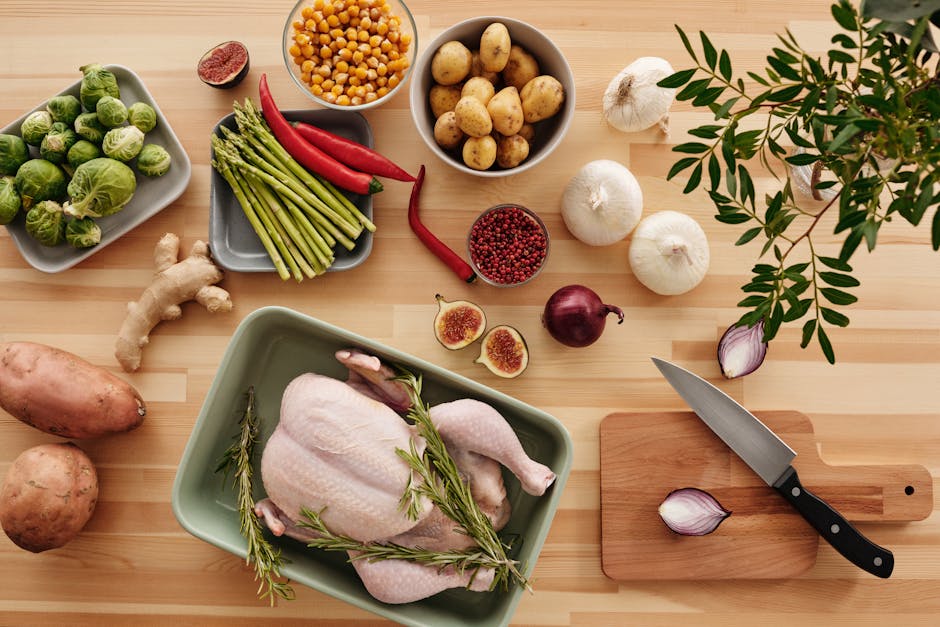
Between morning commutes on the Eisenhower Expressway, afternoon conference calls, and evening obligations, the average American professional spends less than 15 minutes per day thinking about food. Yet those same professionals will spend an average of $3,526 annually on restaurant meals and takeout, according to Bureau of Labor Statistics data. The disconnect isn't about laziness—it's about systems. Most people attempt to make food decisions in the moment, fighting the same battle 21 times a week. The solution isn't cooking more; it's planning smarter.
This guide teaches you to compress your entire weekly meal planning process into 30 focused minutes. The method works because it front-loads decisions. Instead of improvising dinner at 6 PM while your stomach growls and your kids need help with homework, you make those decisions once, on your terms, typically on Sunday afternoon or a quiet Thursday evening. Every subsequent meal becomes an execution of a plan rather than a new problem to solve.
Before building your 30-minute system, understanding why most meal planning attempts stall is essential. The conventional approach asks you to plan 21 individual meals, create an elaborate grocery list, shop for exotic ingredients, and execute complex recipes on weeknights. This approach fails because it's mentally demanding, financially risky, and operationally complex.
The system described here inverts that logic. Instead of planning every meal in detail, you plan templates. You build a repertoire of five breakfast options, five lunch options, and five dinner options. Each week, you select which templates to execute rather than designing new meals from scratch. This reduces cognitive load dramatically while maintaining variety.
Consider how this works in practice. Instead of deciding on Monday that you'll have grilled chicken with roasted vegetables, you decide in advance that your protein template for the week includes baked chicken thighs, slow cooker pulled pork, and frozen salmon fillets. Each night, you thaw the appropriate protein, prepare a grain from your batch cooking session, and steam whatever fresh or frozen vegetables you have on hand. The creativity happens in selection, not in invention.
The 30-Minute Planning Session: A Structured Approach
Your planning session should occur at a consistent time each week. Sunday morning works well for many people, you're likely home, relaxed, and caffeinated. Some prefer Thursday evening, using the weekend as a buffer for any adjustments. The specific day matters less than the consistency.
Before you begin the 30 minutes, gather three items: a sheet of paper or planning app, your calendar for the coming week, and a pen. If you're using a digital tool, ensure it's open and ready. The goal is to minimize transition time between planning steps.
Minutes 1-5: Calendar Audit
Review your calendar for the week ahead. Identify evenings with conflicts, business dinners, children's sports practices, networking events. These days require grab-and-go options or reduced cooking expectations. Mark these days on your planning sheet.
In Chicago, where I work with clients, Monday evenings in the winter often include youth hockey practice in suburbs like Evanston or Naperville, meaning dinner happens in the car or not at all. A client in Atlanta might have Thursday night happy hour as a recurring commitment. Your calendar reveals these patterns. Planning around them prevents the "we'll just grab something" spiral that derails most healthy eating intentions.
Minutes 6-12: Template Selection
Choose your protein templates for the week. You need three to four protein sources that cover your lunches and dinners. The selection should balance prep time, cost, and your household's preferences.
Effective protein templates share a common characteristic: they cook in bulk with minimal active time. A whole chicken roasted in the oven requires 5 minutes of active work but feeds a family for three meals. Ground turkey browned in a skillet becomes tacos on Monday, a pasta sauce base on Wednesday, and a rice bowl topping on Friday. These transformations multiply your effort across multiple meals.
For breakfast, select one or two rotating templates. Overnight oats in jars, prepared in five mason jars on Sunday evening, provide weekday breakfasts for under $2 per serving. Egg muffins baked Sunday night offer protein-packed grab-and-go options. The key is choosing templates you genuinely enjoy eating, not aspirational foods you'll abandon by Wednesday.
Minutes 13-20: Side Dish and Produce Planning
Now select your carbohydrate and vegetable templates. Your grain template for the week should be something batch-cookable: rice, quinoa, pasta, or roasted potatoes. Choose one grain family to prep in bulk, then think about how to vary it through seasoning and preparation.
Rice, for instance, becomes fried rice with eggs, a burrito bowl base, or a side for the week's protein. Quinoa works in morning porridge, lunch salads, and dinner bowls. Both cook in 20 minutes with an automatic shut-off rice cooker, requiring no active attention.
For vegetables, plan around two categories: fresh items that will last the week and frozen items as backup. Broccoli, carrots, and bell peppers maintain quality for five days when stored properly. Spinach and mixed greens work for salads and saut—ing. Your frozen vegetable selection, steam-in-bag options or bags of frozen stir-fry mixes, provides insurance when fresh items don't survive the week.
Minutes 21-28: Grocery List and Shopping Strategy
Translate your template selections into a specific grocery list. Group items by store section: proteins, dairy, produce, pantry staples. This organization saves time at the store and reduces impulse purchases.
When building your list, check your pantry first. Staples like olive oil, spices, canned beans, and rice or pasta probably don't need purchasing this week. Buying only what you need for the plan prevents waste and reduces your grocery bill.
Minutes 29-30: Prep Schedule Confirmation
The final two minutes confirm when you'll execute the plan. If you plan to shop Sunday, block 45 minutes in your calendar. If batch cooking happens Sunday afternoon, confirm that time is available. Many people plan brilliantly but fail in execution because they never actually scheduled the prep time.
This 30-minute framework works because it uses templates instead of recipes, batch thinking instead of individual meal planning, and calendar integration to prevent optimistic overcommitment. Each component builds on the previous one, creating a systematic approach that becomes automatic after three to four weeks.
The Batch Cooking Connection
Planning and execution are distinct phases. Your 30-minute session handles planning. Batch cooking handles execution. Understanding this distinction prevents the common error of trying to plan, shop, and cook everything in one overwhelming Sunday session.
Batch cooking, when done strategically, requires two to three hours maximum for a week's meals. This time investment sounds significant until you calculate what it replaces: approximately 10 hours of weeknight cooking and cleanup across seven days. The math favors batch work because it converts many short, fragmented sessions into fewer, longer, more efficient sessions.
The most effective batch cooking sequence flows from longest cooking times to shortest. Start grains first, while rice cooks, prep vegetables. While vegetables roast, portion snacks and prep tomorrow's breakfast. The parallel processing approach maximizes your time investment.
- Sunday Batch Cooking Checklist:
- Start rice cooker or quinoa pot (20-45 minutes unattended)
- Roast or slow-cook the week's protein (chicken thighs, pork shoulder, or beef)
- Wash and chop vegetables for the week (store in airtight containers with paper towels)
- Prepare grab-and-go breakfast items (overnight oats jars, egg muffins, or smoothie packs)
- Portion snacks into containers (trail mix, cut vegetables, hummus, cheese)
- Wash and spin greens for salads
- Clean and organize the refrigerator to accommodate prepped items
US Grocery Shopping: Making It Efficient
Once your planning is complete, the shopping trip becomes straightforward. With your list organized by section, you move through the store efficiently, reducing total time to 30-45 minutes for a typical weekly shop.
Where you shop matters for both cost and convenience. Major chains serving the American Midwest and Northeast - Jewel-Osco, Mariano's, Whole Foods, and traditional grocery stores, each have strengths. Costco membership makes sense if you have storage space and can use bulk proteins and grains. Aldi offers significant savings on staples but requires more careful planning since they don't carry every item.
For those in food deserts or areas with limited grocery access, online grocery pickup has become a practical solution. Walmart Grocery, Kroger ClickList, and Safeway Delivery eliminate transportation challenges while maintaining the efficiency of list-based shopping. The fees (typically $3-7 per order) often justify themselves through reduced impulse purchases and eliminated transportation costs.
Sample 30-Minute Planning Session Output
To make this concrete, here's a sample plan generated during a 30-minute session:
| Day | Breakfast | Lunch | Dinner |
|---|---|---|---|
| Monday | Overnight oats with berries | Chicken, rice, steamed broccoli | Chicken tacos with peppers |
| Tuesday | Greek yogurt with granola | Leftover chicken salad over greens | Salmon, quinoa, roasted carrots |
| Wednesday | Egg muffins with spinach | Turkey rice bowl with vegetables | Turkey spaghetti |
| Thursday | Overnight oats with banana | Soup with crusty bread | Work dinner (pre-made sandwich) |
| Friday | Greek yogurt parfait | Leftover salmon bowl | Takeout (planned, budgeted) |
This plan features two proteins (chicken and ground turkey), one salmon purchase, and one planned takeout meal. The chicken becomes two different meals. The turkey transforms from tacos to spaghetti sauce. The salmon, though used only once, provides omega-3s and variety. Breakfast rotates between three templates. One lunch is a soup day, ideal for a protein-heavy week when you want something lighter.
"The goal isn't perfection. The goal is consistency. A plan you execute at 80% is infinitely better than a perfect plan you abandon by Wednesday."
Storage Systems That Prevent Spoilage
Even excellent plans fail if food spoils before consumption. Proper storage extends the life of prepped ingredients significantly. The refrigerator's temperature should remain at 37—F (3—C) or below, check it seasonally, as temperature fluctuations occur when outdoor temperatures change.
Produce storage requires category-specific approaches. Leafy greens last longer when wrapped in a slightly damp paper towel before bagging. Carrots and celery keep in water in the refrigerator, similar to a vase. Berries should remain unwashed until consumption, moisture accelerates mold. Mushrooms store better in paper bags than plastic, which traps humidity.
Protein storage follows a first-in, first-out principle. Place newly cooked items toward the back of the refrigerator, moving older items forward. This rotation ensures nothing gets lost in the back and forgotten until it becomes a biohazard. When batch cooking, date everything with masking tape and a marker. The five-second investment prevents later confusion.
Troubleshooting Common Planning Failures
Even with a solid system, problems emerge. Anticipating them prevents frustration.
Problem: You misjudged portion sizes and have too much food.
Solution: Freeze half the portions immediately. Most cooked proteins freeze well for two to three months. Label with date and contents. These become emergency meals for unexpected nights.
Problem: You skipped planned prep due to time pressure.
Solution: Maintain a backup supply of staples. Canned beans, frozen vegetables, and shelf-stable grains can produce a complete meal in 15 minutes when fresh prep fails. Think of these as your meal planning insurance.
Problem: Someone in the household wants different food.
Solution: Build modular meals rather than single dishes. When proteins, grains, and vegetables are prepared separately, family members assemble their own bowls. This approach accommodates preferences without multiple cooking sessions.
Building Your Personal Template Library
After several weeks of planning, you'll discover which templates work consistently for your household. Document these in a simple spreadsheet or notebook. Your first page might include breakfast options that take under five minutes. Page two lists lunch templates. Page three contains dinner variations.
When you discover a meal everyone enjoyed, a particular spice combination or cooking method, add it to your library. After six months, you'll have 15-20 reliable templates per meal category. Future planning sessions become even faster as you select from known successes rather than gambling on new recipes.
Advanced Techniques for Weeks That Need Extra Structure
Some weeks demand more structure than others. When multiple evening events occur, or travel disrupts your routine, a more detailed approach prevents the "throw everything away and order pizza" response.
Consider a "bare minimum" tier for intense weeks. These weeks include only essential prep: one batch of protein, one batch of grains, and pre-washed vegetables. Accept that variety decreases during stressful periods. The goal is maintaining the habit, not optimizing every meal.
Alternatively, use "double batch" weeks before known challenges. If you know the second week of the month includes a business trip, batch extra portions the week before. These extras go in the freezer, providing healthy options when you return and have no energy for cooking.
The Compound Effect
Thirty minutes of planning each week produces effects that compound over time. The first week, you might save $20 and eat one additional vegetable serving. The third month, you notice you've cooked more than you've ordered in. The sixth month, you realize you've developed a signature repertoire of 30-minute meals that genuinely satisfy you.
Financial benefits emerge quickly. Most clients report grocery spending stabilizing within two months of implementing this system. Impulse purchases, those $7 sandwiches at the airport, $15 deli salads, and $12 fast food dinners, disappear because you're never caught without options. The average client saves $80-120 monthly once the system becomes habit.
Time benefits emerge more gradually but prove more valuable. By eliminating the daily "what's for dinner" negotiation and the subsequent scramble to execute, most households reclaim 30-45 minutes of evening time. This time, reinvested in meal prep, creates a sustainable cycle. More prep leads to fewer decisions leads to more consistency leads to less waste leads to more savings, each benefit reinforcing the others.
The 30-minute meal planning session isn't a productivity hack. It's a structural change in how you approach food. Once implemented, it requires minimal maintenance. You stop treating each meal as an independent challenge and start treating them as executions of a weekly strategy. This shift—from reactive to proactive, transforms your relationship with food and time simultaneously.
Begin this week. Your Sunday planning session awaits. The first session might take slightly longer as you build your templates and discover what works. By the fourth week, you'll complete it in under 30 minutes. By the twelfth week, you'll wonder how you ever managed without it.
Your future self, sitting down to a healthy, home-cooked meal you planned this morning while drinking your coffee, will thank you for the 30 minutes you invested today.