Holiday meal prep made easy
The Economics of Holiday Meal Prep
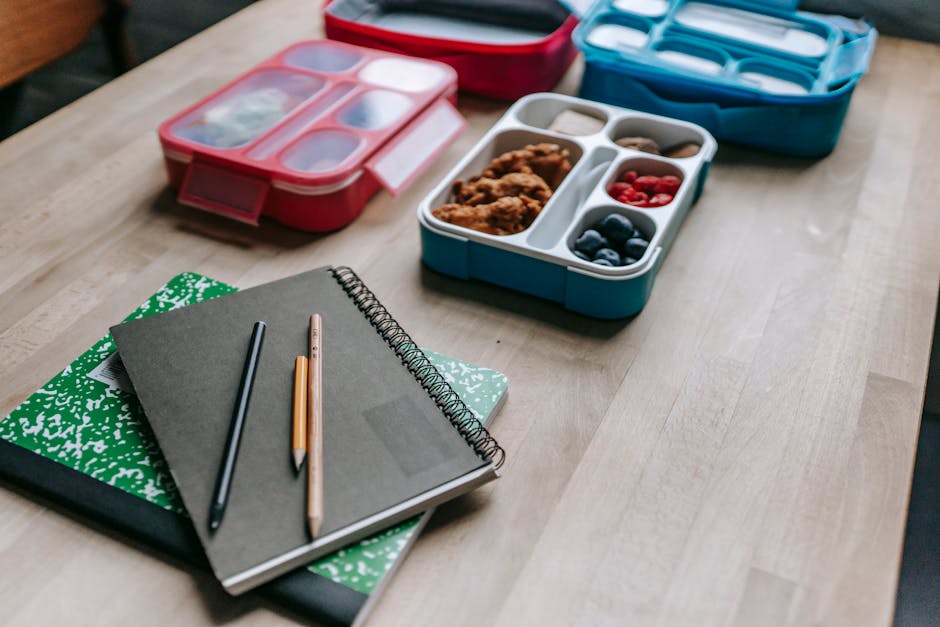
The American holiday season brings a unique set of pressures to the kitchen table. Between Thanksgiving feasts, Hanukkah gatherings, Christmas dinners, and New Year's celebrations, the average U.S. household spends significantly more time and money on food during November and December than any other quarter. For my clients in Chicago and across the country, the challenge isn't just cooking the food—it's managing the logistics of storage, timing, and maintaining nutritional balance while surrounded by an abundance of indulgent options.
Meal prepping during the holidays differs from your standard Sunday routine. It requires a shift in mindset from "diet compliance" to "strategic abundance." The goal isn't to avoid the pecan pie or skip the mashed potatoes; the goal is to ensure that your refrigerator supports your energy levels so you can actually enjoy the festivities without crashing by 3:00 PM or throwing away pounds of leftover turkey a week later.
This guide breaks down a practical, analytical framework for holiday meal prep that saves time, reduces food waste, and keeps your nutrition on track through the new year.
Before discussing techniques, we need to address the financial reality. The American Farm Bureau Federation tracks food prices annually, and the data highlights why a strategy is essential. Impulse buying at Costco or Trader Joe's during the holiday rush destroys budgets and fills refrigerators with redundant ingredients.
Effective meal prep starts with inventory control. When you prep, you buy with purpose. You utilize leftovers intentionally rather than letting them rot in Tupperware containers at the back of the fridge. This is particularly relevant given the rising cost of traditional holiday staples.
Data Point:According to the American Farm Bureau Federation's annual survey, the average cost of a classic Thanksgiving dinner for ten people reached approximately $64.05 in 2022, a significant increase from previous years. However, the cost per person drops dramatically when leftovers are utilized effectively, down to under $4 per serving when you account for three additional meals from remaining ingredients.
For busy professionals, the "hidden cost" of holiday cooking is time. If you earn $50 per hour and spend six unorganized hours in the kitchen on Thanksgiving Day that could have been condensed into three hours with proper prep, you have effectively added $150 of opportunity cost to your meal. Prepping isn't just culinary; it is an economic decision.
Strategic Planning: The 1-3-5 Framework
Over years of consulting, I have developed a simple framework for holiday meal planning that prevents decision fatigue. I call it the 1-3-5 Framework. This structure ensures you have a mix of quick snacks, substantial meals, and one show-stopping centerpiece without overwhelming your schedule.
- 1 Centerpiece Meal:The main event (e.g., Thanksgiving turkey, Christmas ham, or a plant-based Wellington). This requires the most attention but should be cooked only once during the holiday window.
- 3 Core Dishes:Substantial sides that act as meal builders for leftovers. Think roasted root vegetables, grain salads, or protein-heavy casseroles. These should be batch-cooked.
- 5 Utility Items:Versatile components used across multiple meals. Examples include hard-boiled eggs, washed greens, roasted chickpeas, basic vinaigrette, and cut vegetable sticks.
By limiting your scope to these nine items, you create a cohesive menu where every ingredient serves multiple purposes. The roasted carrots used for the Centerpiece Meal become a topping for grain bowls the next day. The vinaigrette dresses the holiday salad but also marinates leftover turkey for sandwiches.
Sample 1-3-5 Holiday Prep Menu
To visualize this, consider a practical menu designed for a standard American household hosting a small gathering but needing food for the days following.
| Category | Item | Prep Time (Active) | US Shelf Life (Refrigerated) | Secondary Use |
|---|---|---|---|---|
| Centerpiece | Herb-Roasted Turkey Breast | 20 mins + roast time | 3-4 days | Sandwiches, soup, pot pie filling |
| Core Dish 1 | Wild Rice and Cranberry Salad | 30 mins | 5 days | Cold lunch bowl, side for dinner |
| Core Dish 2 | Garlic Mashed Potatoes | 45 mins | 3-4 days | Shepherd's pie topping, potato pancakes |
| Core Dish 3 | Roasted Brussels Sprouts | 15 mins + roast time | 4 days | Frittata ingredient, salad topping |
| Utility 1 | Hard-Boiled Eggs | 15 mins | 7 days | Breakfast, salad protein, deviled eggs |
| Utility 2 | Basic Balsamic Vinaigrette | 5 mins | 14 days | Salad dressing, meat marinade |
| Utility 3 | Sliced Bell Peppers | 10 mins | 5 days | Snacks, stir-fry, omelet filling |
| Utility 4 | Overnight Oats Base | 10 mins | 5 days | Quick breakfast for guests |
| Utility 5 | Roasted Chickpeas | 10 mins + roast time | 5 days | Snack, salad crunch, soup garnish |
This table illustrates the efficiency of the system. You are not cooking nine distinct meals; you are cooking components that recombine. This approach is standard in professional restaurant kitchens, mise en place applied to the home.
The Timeline: When to Prep
Timing is where most holiday meal plans fail. Americans often try to do everything on the holiday morning, leading to stress, undercooked food, or arguments in the kitchen. A distributed timeline spreads the workload across three distinct phases.
Phase 1: The Weekend Before (3-5 Days Out)
This phase is for utility items and shelf-stable prep. Your focus here is clearing the refrigerator and preparing items that have a longer shelf life.
Start by cleaning out your fridge. Americans waste roughly 30-40% of their food supply annually, and the holidays are the worst offenders. Make space for the incoming inventory. Once the fridge is cleared, prep your Utility Items. Hard-boiled eggs, chopped vegetables, and dressings can be done days in advance without losing quality.
This is also the time to check your inventory of containers. Ensure you have enough glass or BPA-free plastic containers in various sizes. If you are feeding a crowd, disposable aluminum pans are acceptable for transport, but for your own fridge, sturdy containers stack better and preserve freshness longer.
Pro Tip:Label every container with the date prepared and the contents using masking tape and a permanent marker. It sounds basic, but in a fridge packed with leftovers, "white sauce" could be gravy, b—chamel, or ranch dressing. Eliminating the guesswork saves time and reduces the likelihood that food gets tossed because no one knows what it is.
Phase 2: Two Days Before
This is the active prep window. You are cooking your Core Dishes and prepping the Centerpiece. For meat, this means thawing (if frozen) and applying dry brine or rubs.
Dry brining is a technique that has gained popularity in the US over the last decade for good reason. Salting your turkey or roast 24-72 hours before cooking allows the salt to penetrate the meat, breaking down proteins and retaining moisture. It requires less fridge space than wet brining (no giant bucket of water) and produces better texture.
For your Core Dishes, consider the reheat method. Mashed potatoes reheat well in a slow cooker, freeing up oven space. Roasted vegetables can be par-cooked and finished at high heat just before serving. Grain salads should be fully cooked and dressed, as the flavors meld and improve over 24 hours.
Data Point:The USDA recommends that leftovers be refrigerated within two hours of cooking. During holiday parties, food often sits out far longer. Setting a timer when you serve the meal ensures you pack away leftovers safely, preventing foodborne illness—the last thing you want during a family gathering.
Phase 3: The Holiday Morning
With the prep work done, the holiday morning is for execution, not scrambling. Your oven schedule should be mapped out. If you have one oven and three dishes that need baking at different temperatures, you have a logistics problem.
A practical solution for American homes with single ovens is to utilize alternative appliances. A slow cooker can handle candied yams or mulled cider. An Instant Pot can cook vegetables in a fraction of the time. A stovetop can handle sides while the oven focuses on the main protein.
Managing the Leftover Avalanche
The day after the holiday is arguably more important than the holiday itself for meal preppers. This is where the system either pays off or falls apart. The average American household generates significant food waste post-holiday because people get tired of eating the same plate of leftovers for three days straight.
The solution is transformation. You must break down the holiday meal into raw materials and rebuild them into new dishes. This prevents palate fatigue and extends the utility of your cooking effort.
The Deconstruction Method
Do not store the entire leftover turkey or ham as a whole block. Immediately following the meal (or the next morning), carve the meat into specific portions.
- Slices:For sandwiches or dinner plates (store in shallow containers).
- Cubes:For salads, pot pies, or casseroles.
- Carcass/Bones:Immediately placed in a stockpot or frozen for later stock making.
By processing the protein immediately, you reduce the friction for future meals. If you want to make a turkey pot pie on Friday, the meat is already cubed. If you want a sandwich for lunch, the slices are ready. This "pre-prep" of leftovers is the secret to actually eating them.
Pro Tip:Freeze leftover stock in ice cube trays. Once frozen, transfer the cubes to a freezer bag. This allows you to pull out small amounts of high-quality broth for saut—ing vegetables or making pan sauces without defrosting an entire container. This technique is a staple in professional kitchens.
Transformation Recipes
Here are three concrete ways to transform standard American holiday leftovers into distinct meals that feel fresh:
1. The Post-Holiday Grain Bowl:Use the wild rice or roast vegetables as a base. Top with cubed turkey, leftover cranberry sauce (used as a dressing), and roasted chickpeas from your utility prep. This feels like a modern lunch bowl rather than "leftovers."
2. The Breakfast Hash:Dice leftover roasted potatoes and Brussels sprouts. Saut— in a skillet with onions until crispy. Top with a fried egg. This repurposes side dishes into a hearty breakfast that differs completely from the previous day's dinner.
3. The "Everything" Frittata:Whisk a dozen eggs with a splash of milk or cream. Pour into a greased baking dish. Toss in leftover vegetables, cubed meat, and a handful of cheese. Bake at 350—F for 30-40 minutes. This creates a portable, high-protein breakfast or lunch option for the week that clears out the fridge.
Nutritional Balance During the Holidays
As a dietitian, I often see clients swing between two extremes during the holidays: strict restriction or total abandonment. Neither works. Restriction leads to bingeing, and abandonment leads to sluggishness and regret. Meal prepping offers a middle path.
By prepping your Utility Items, specifically the vegetables, proteins, and healthy fats, you ensure that your baseline nutrition is covered. If you have washed greens and hard-boiled eggs ready in the fridge, you are more likely to assemble a quick salad for lunch before the evening party. This stabilizes blood sugar and prevents the "starve all day, feast all night" pattern that derails health goals.
Data Point:Research published in theInternational Journal of Behavioral Nutrition and Physical Activityindicates that people who meal prep regularly have better diet quality and consume more vegetables. This correlation holds true even during holidays. The simple presence of pre-cut vegetables increases the likelihood of consumption by removing the "friction" of preparation.
The "Add, Don't Subtract" Mindset
I advise my clients to focus on what they canaddto their plates rather than what to subtract. Instead of vowing to avoid stuffing, vow to add a serving of green vegetables to every plate. This naturally crowds out some of the heavier items without creating a sense of deprivation.
When prepping, prioritize fiber. The standard American holiday meal is carb-heavy and fiber-poor. By prepping roasted Brussels sprouts, green bean salads, or raw veggie trays, you introduce fiber that slows digestion and keeps you satiated. This is a practical strategy that allows you to enjoy the holiday flavors without the physical crash that follows a low-fiber, high-sugar meal.
Equipment Considerations for the US Kitchen
American kitchens vary widely in size and equipment. If you live in a Chicago apartment, your oven might be half the size of a suburban home's range. Your prep system must account for your physical constraints.
Small Kitchen Strategies
If counter space and oven real estate are limited, rely on "no-cook" preps and small appliances. A rice cooker can handle grains. A microwave can steam vegetables. A good chef's knife is the most essential tool.
For storage, think vertical. Stackable containers are non-negotiable. If your fridge is small, prioritize what goes inside. Sodas, beer, and water can be kept in a cooler with ice outside to free up fridge space for perishable prepped food.
Large Kitchen / Entertaining Strategies
If you have a larger kitchen and are hosting, set up a "buffet station" for prep. Use your dining room table or a spare counter to lay out containers. This prevents bottlenecks in the kitchen work triangle (sink, stove, fridge).
"The efficiency of a kitchen is determined not by the size of the space, but by the logic of the workflow. A small kitchen with a clear prep station and organized storage outperforms a chaotic large kitchen every time."
This principle is vital during the holidays when multiple people may be trying to access the fridge or stove simultaneously. Designate zones: a prep zone, a cooking zone, and a storage zone. This keeps the meal assembly line moving smoothly.
Food Safety: The Unromantic Reality
No article on meal prep is complete without addressing food safety. The USDA has clear guidelines that are frequently ignored during holiday festivities in the name of convenience. Ignoring these guidelines is a gamble not worth taking.
The Danger Zone
Bacteria grow most rapidly between 40—F and 140—F (4—C and 60—C). This is known as the "Danger Zone." Food should not remain in this range for more than two hours.
During a party, it is common to leave food out for hours while people graze. A better approach is to use chafing dishes or slow cookers to keep hot food hot (above 140—F) and nest cold dishes in bowls of ice to keep them below 40—F.
When packing leftovers, divide large amounts into shallow containers. A giant container of hot stuffing placed in the fridge takes hours to cool to a safe temperature, keeping the food in the Danger Zone longer. Shallow containers cool quickly, minimizing risk.
Storage Limits
Know when to let go. Cooked poultry and stuffing are safe for 3-4 days in the refrigerator. If you cannot eat it by day four, freeze it. Many Americans keep leftovers well past their safety window because they "look fine," but pathogenic bacteria do not always change the taste, smell, or appearance of food.
A Practical Checklist for Holiday Prep Success
To bring this all together, use the following checklist as your roadmap for the upcoming holiday season. It covers the essential actions that separate a chaotic kitchen from a controlled, efficient one.
- Inventory Check:Verify you have all necessary containers, labels, and storage space one week before the holiday.
- Menu Finalization:Apply the 1-3-5 Framework to finalize your menu at least 5 days in advance.
- Shopping List Segmentation:Separate your shopping list into "shelf-stable" (buy early) and "fresh/perishable" (buy 1-2 days before).
- Thaw Planning:Calculate thaw time for frozen turkeys or roasts (allow 24 hours in the fridge for every 4-5 pounds).
- Prep Phase 1:Complete utility items and fridge clean-out 3 days prior.
- Prep Phase 2:Complete core dishes and protein prep 2 days prior.
- Oven Schedule:Write out a timeline for cooking day, noting temperatures and times for each dish.
- Safety Timer:Set a reminder to pack leftovers within 2 hours of serving.
- Leftover Strategy:Plan 3 distinct meals using leftovers before you even cook the main meal.
- Freezer Plan:Identify items to freeze if they cannot be consumed within 4 days.
Conclusion: The Value of Preparation
The holiday season is a time for connection, gratitude, and celebration. It should not be a time of kitchen-induced anxiety or refrigerator guilt over wasted food. By applying the principles of meal prep, specifically the 1-3-5 Framework, the Deconstruction Method for leftovers, and strict attention to food safety, you reclaim your time and your energy.
This approach is not about being rigid. It is about creating a structure that supports flexibility. When your utility items are prepped and your leftovers are planned, you have the freedom to say yes to a last-minute invitation or to sit on the couch with your family instead of washing dishes for two hours.
In the American context, where holiday portions are large and expectations high, a little analytical planning goes a long way. Treat your kitchen like a system, and you will find that the holidays become easier to manage, healthier to navigate, and more enjoyable to experience.