Building a meal prep grocery list system
The Problem Starts Before You Cook
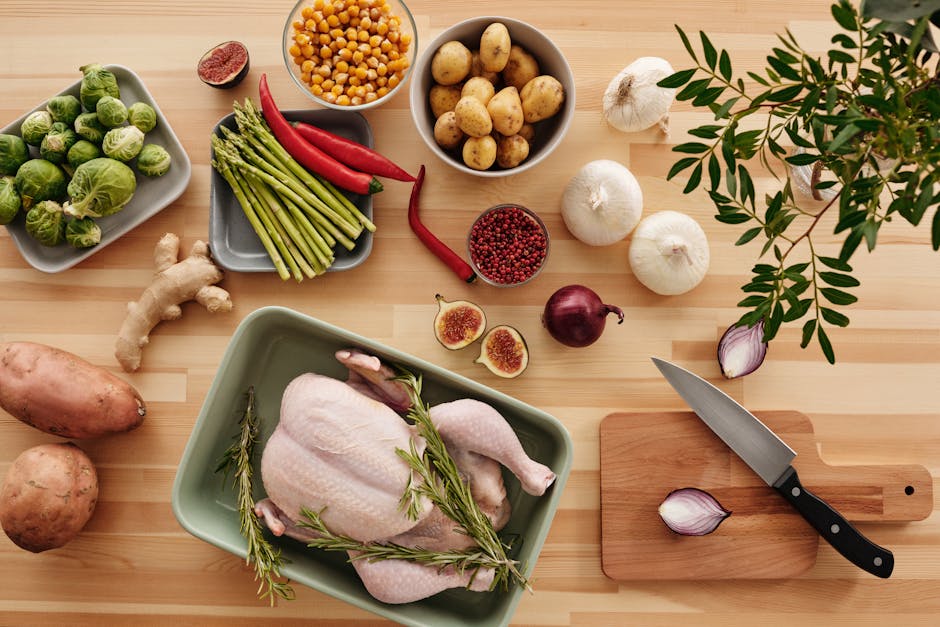
You have the containers. You have the recipes. You've blocked out two hours on Sunday afternoon for batch cooking. But standing in the grocery store aisle at 6:47 PM on a Tuesday, you realize you're missing chicken broth for the soup you planned, the Greek yogurt you needed is sold out, and somehow you bought four extra loaves of bread that weren't on your list.
This is where most meal prep systems break down, not in the kitchen, but in the fluorescent-lit aisles of Walmart, Kroger, or your local Safeway. The grocery store is where intention meets chaos, and without a structured approach, intention rarely wins.
As a registered dietitian working with busy professionals across Chicago, I've watched clients pour hundreds of dollars into meal prep containers, subscription services, and elaborate Sunday cooking sessions, only to abandon the whole system within three weeks. The common thread isn't motivation or cooking skill. It's the grocery list.
A meal prep grocery list isn't the same as a regular grocery list. It has different priorities, different organization, and different failure points. This guide builds a complete system designed specifically for the reality of American grocery shopping.
Why Traditional Grocery Lists Fail Meal Preppers
Most grocery lists are organized around meals?"tacos, spaghetti, stir fry"?which works fine for traditional weekly cooking where you're shopping for specific dinners. Meal prep flips this model. You're cooking in batches, which means you're buying proteins in multi-pound quantities, vegetables in quantities that would make a traditional household shopper pause, and staples in bulk.
The difference isn't just scale. It's structure. When you prep five days of lunches, you're not shopping for Monday's lunch and Tuesday's lunch. You're shopping for a protein source that needs to stay fresh from purchase through Friday, a grain base that needs storage stability, and vegetables that need to survive prep work without spoiling early.
This requires a different mental framework entirely. Instead of thinking "what do I want to eat this week," you're asking "what can I buy now, prep now, and eat safely through the week"?with the added constraint that you're working within the actual layout and inventory realities of American supermarkets.
Mapping Your Storage Reality
Before you write a single item on your list, you need to honestly assess your storage situation. Meal prep success lives or dies in your refrigerator and freezer. This isn't a glamorous step, but it's the one that prevents the most waste.
Most American kitchens have a standard side-by-side or top-freezer refrigerator with limited door storage and one crisper drawer, if that. If you're prepping for one person, you have roughly 3-4 shelf levels of usable space and maybe one freezer drawer. If you're prepping for two, you're already making compromises.
Here's the practical framework I use with clients:
- Cold shelf (36-40—F):Prepared meals in containers, dairy, fresh fruits
- Crisper drawer (40-45—F):Cut vegetables, leafy greens, herbs
- Freezer (-0—F or below):Batch-cooked proteins, grains, sauces, surplus prep items
- Pantry/cabinet:Canned goods, dry grains, oils, condiments, nut butters
Once you know your zones, you can plan purchases that fit your actual space. Buying a week's worth of chicken breasts makes no sense if you only have room for three containers on your cold shelf and no freezer space for the rest.
Building Your Master List: The Foundation
A meal prep grocery list should have five sections, and shopping should happen in this order. This isn't arbitrary—it's based on the actual layout of most American supermarkets, optimized to minimize backtracking and reduce impulse purchases.
Section 1: Proteins (The Anchor)
Proteins are the most expensive items on your list, the most perishable, and the hardest to get right. This is where most meal prep plans either succeed or hemorrhage money.
For a typical week of meal prep (5 days, 2 meals per day), plan for:
- 2-3 pounds of chicken (breasts or thighs depending on your preference)
- 1-2 pounds of ground meat or alternative protein (turkey, beef, plant-based)
- Eggs (1-2 dozen depending on breakfast prep)
- Optional: Canned tuna, pre-cooked shrimp, or tofu for variety
The key is selecting cuts that reward batch cooking. Chicken thighs, for example, are more forgiving than breasts, less likely to dry out during reheating and often cheaper per pound. Ground turkey and chicken freeze beautifully in portioned amounts.
Section 2: Vegetables (By Prep Hardiness)
Vegetables are where meal prep beginners overbuy and waste the most money. The typical mistake: stocking up on beautiful farmer's market produce that requires complicated prep and goes soft by Wednesday.
For reliable meal prep, divide vegetables into three categories:
Hardy vegetables(shelf life 7-10 days): Bell peppers, carrots, broccoli, cauliflower, cabbage, Brussels sprouts, sweet potatoes. These can be chopped, roasted, and reheated without major texture loss.
Medium vegetables(shelf life 5-7 days): Zucchini, yellow squash, mushrooms, green beans, asparagus. These work well but need more careful timing, prep them mid-week if you're cooking on Sunday.
Delicate vegetables(shelf life 3-5 days): Leafy greens, tomatoes, cucumbers, avocados. Use these for fresh components added at serving time, not batch prep. Buy smaller quantities and plan to use them within a few days.
Section 3: Grains and starches
Grains are your budget's best friend. They're inexpensive, shelf-stable, and provide the bulk that makes meal prep filling without requiring expensive proteins for every container.
Base staples to keep stocked:
- Brown rice or jasmine rice (dry, quick-cook, or frozen pre-cooked)
- Quinoa (higher protein content, worth the premium)
- Pasta (whole wheat for fiber, regular for versatility)
- Oats (steel-cut for savory, rolled for sweet prep)
- Potatoes (russet for baking/mashing, red for meal prep containers)
Buy grains in their dry form when possible. Pre-cooked rice and grains sold in steamable bags are convenient but cost 3-4 times more per serving. If you're batch cooking grains for the week, a $15 rice cooker pays for itself within two weeks.
Section 4: Pantry anchors
This section doesn't require a shopping trip every week—it's the foundation you build once and maintain. Keep a running list on your phone of what runs low, and address these items every 2-4 weeks.
- Canned diced tomatoes and tomato paste
- Low-sodium chicken or vegetable broth
- Olive oil, avocado oil, sesame oil
- Soy sauce, hot sauce, vinegar (red wine, rice, balsamic)
- Canned beans (black, chickpeas, kidney)
- Lentils and dried beans (if you have a pressure cooker)
- Nuts and seeds (almonds, walnuts, pepitas, sunflower seeds)
- Shelf-stable sauces: salsa, marinara, curry paste, taco seasoning
Section 5: Fresh extras
This final section is where meal prep gets its personality. Fresh herbs, citrus, cheese, yogurt, and condiments don't go in containers—they get added at serving time to prevent soggy salads and wilted basil.
These items should be purchased in smaller quantities (think "enough for 3-4 servings" not "enough for the week") because their quality drops quickly. The goal is to have enough to make each meal feel fresh and intentional without spoiling before you use them.
Store-Specific Strategies for Major US Retailers
Knowing the layout of where you shop matters. Here's how major US grocery retailers organize their layouts and how to use that to your advantage:
| Retailer | Typical Layout | Best Strategies for Meal Preppers |
|---|---|---|
| Kroger / Fry's / City Market | Produce front-left, proteins back-left, dry goods center aisles | Hit produce first for best selection, work backward through store, skip most center aisles |
| Walmart (Grocery) | Produce right at entrance, proteins on far wall, pantry staples along perimeter | Use app for pickup to avoid impulse purchases; larger pack sizes available |
| Target (Grocery) | Small footprint, center of store, limited produce selection | Good for pantry staples and frozen items; plan separate produce trip |
| Whole Foods / Sprouts | Produce dominates entrance, proteins in back, high price points | Buy sale items only; use for specific specialty ingredients, not bulk shopping |
| Costco / Sam's Club | Bulk everything, rotated selections, perishables in back | Excellent for proteins, eggs, cheese, frozen vegetables; requires large storage capacity |
The Shopping List Template That Actually Works
Here's the framework I give to clients. It works whether you prefer pen and paper or a notes app.
Before shopping:
- Check what you already have (refrigerator, freezer, pantry)
- Review your planned prep recipes and cross off anything you can make from inventory
- Convert recipes to ingredient lists, then group by store section
- Add 2-3 backup ingredients in case something sells out
During shopping:
- Follow the store order: produce ? proteins ? dairy ? frozen ? pantry
- Check unit prices (per-pound, per-ounce) not just shelf prices
- Pick up sale items that fit your plan; skip sales that don't
- Avoid the checkout candy and drink displays
After shopping:
- Immediately refrigerate/freeze perishables
- Process proteins (wash, portion, freeze what you won't use within 2 days)
- Wash and chop hardy vegetables for storage
- Post photo of receipts to track spending
Storage and Rotation: The System That Prevents Waste
Even with perfect shopping, meal prep fails if storage is wrong. The goal is FIFO: First In, First Out. Your oldest prepped items should be in front, getting eaten first.
Practical rotation system:
- Date every container with prep day and "eat by" date (typically day 4 for most meal prep)
- Stack containers with oldest on top, newest on bottom
- Use a marker directly on reusable containers or a strip of painter's tape
- Keep a list on the refrigerator door of what's in the back: "2 chicken bowls, 1 quinoa bowl"
Most meal prep nutritionists agree that prepared meals maintain quality for 3-4 days refrigerated. Beyond that, texture degrades even if the food remains safe. If you're prepping for a full work week (Monday through Friday), cook on Sunday for Monday-Thursday, and do a lighter mid-week cook (Wednesday) for Friday items. This prevents the Friday lunch that's been sitting since Sunday morning.
Common Pitfalls and How to Avoid Them
Overbuying perishables:The single biggest mistake. You see beautiful asparagus and add it to your list even though your recipes don't call for it. Solution: If it's not in a recipe, it doesn't go in the cart. Exception: fresh herbs, which you might grab for finishing.
Ignoring unit prices:A 12-ounce container might be $4 while a 24-ounce is $6. The larger size seems expensive until you do the math. Always calculate price per serving, not just shelf price.
Shopping without a list:"I'll just see what looks good" works for traditional grocery shopping where you'll use everything within days. It fails for meal prep because "what looks good" changes, and you're left with unused ingredients taking up space.
Not accounting for household consumption:If you have a partner or family eating from the same refrigerator, your prep needs to integrate with their food. A prep-only mindset ignores the reality that groceries get eaten by everyone.
"The difference between a grocery list and a meal prep grocery list is the difference between a to-do list and a project plan. One is aspirational; the other is operational."
Building Your Personal System Over Time
This isn't a one-time exercise. Your meal prep grocery list system should evolve based on:
- Actual waste:Track what you throw away. If carrots consistently rot before you use them, buy fewer or prep them immediately
- Price fluctuations:Proteins especially vary by season and promotions. Stock up when chicken thighs drop below $2/lb
- Taste preferences:The most sustainable meal prep is one you'll actually eat. If you hate plain chicken breast, buy thighs. If quinoa feels like a chore, use rice.
- Life changes:Travel weeks, social commitments, seasonal shifts, all affect how much prep you need and what you should buy
The Sunday Checklist
Before every prep session, run through this checklist:
- Groceries purchased and put away
- Refrigerator and freezer space cleared
- Containers clean and ready
- Recipes printed or pulled up on device
- Pantry staples replenished
- Time blocked on calendar for actual cooking
- Prep day backup plan (if Sunday fails, Monday evening can work for a partial week)
Making It Stick
A grocery list system only works if you actually use it. That means:
Keeping the list accessible. Whether it's a note on your phone, a whiteboard on the fridge, or a shared Google Doc with your household, the list has to be where you think to look. A list in a drawer you never open serves no one.
Reviewing and adjusting weekly. No system is perfect from launch. Compare your list to your receipts, note what you forgot or overbought, and update accordingly. After four weeks, you'll have a personalized system that accounts for your actual shopping patterns, storage situation, and food preferences.
The goal isn't perfect shopping. It's consistent shopping that supports consistent prep, which supports consistent eating. Every system you put in place reduces the cognitive load of meal prep. And the less mental energy meal prep requires, the more likely you are to keep doing it.
Your grocery list is the first step in every week of meal prep. Make it count.