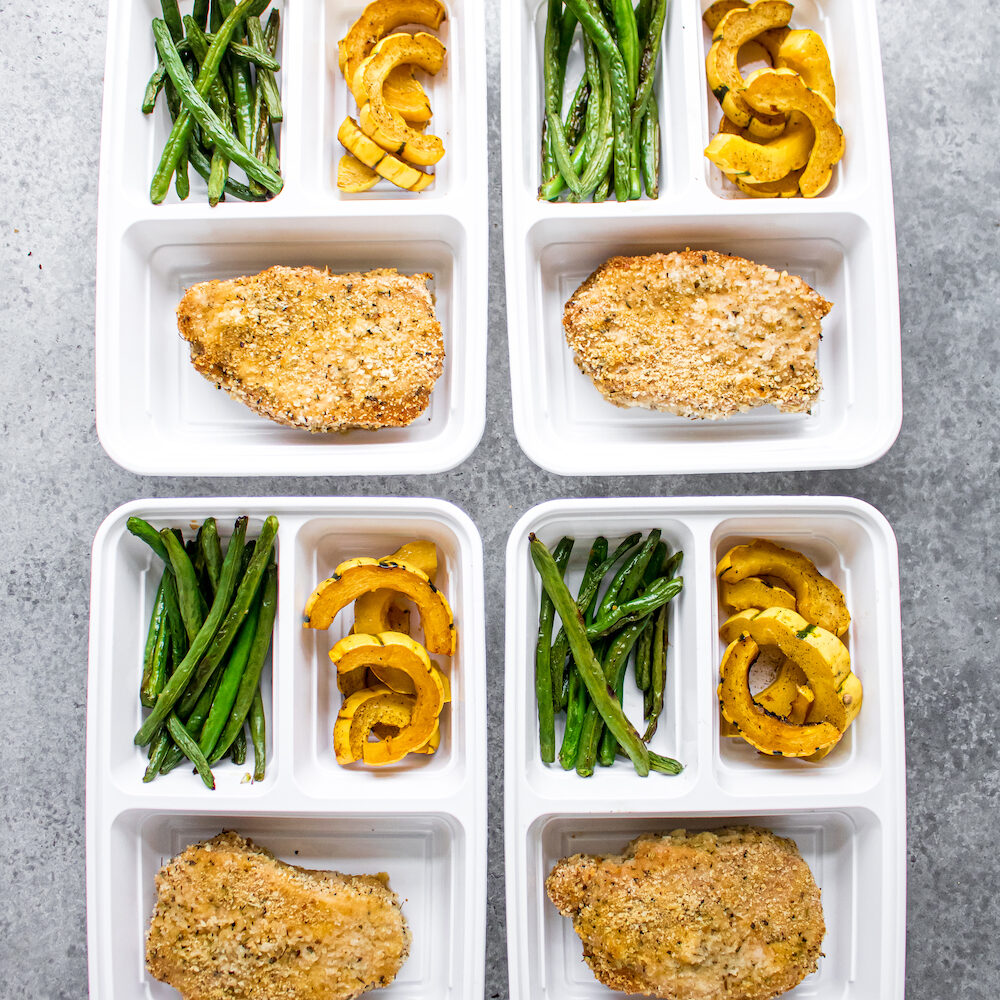
How to Master Meal Prep Chicken: Pro Tips

How to Master Meal Prep Chicken: Pro Tips

It was a Tuesday evening when Marcus opened his refrigerator and stared at four different containers of dry, grey chicken breast. He had batch-cooked them Sunday with the best intentions — a clean week of lunches, no takeout, real food. By Tuesday, he was already reheating the containers with a quiet sense of dread. The chicken was rubbery. It smelled faintly metallic. He ended up ordering pizza.

Most people who attempt meal prep chicken end up exactly where Marcus did — not because they lacked discipline, but because nobody told them the actual mechanics of keeping chicken good for five days. The difference between chicken you resent and chicken you genuinely look forward to eating comes down to a handful of deliberate choices made before the pan ever gets hot.

This guide covers those choices. Not general cooking advice, but the specific decisions that separate functional meal prep chicken from the kind that ends up in the trash by Wednesday.

Choosing the Right Cut for the Job

Chicken breast gets all the attention in meal prep circles because it is lean and easy to track macros. It is also the most unforgiving cut you can cook. It has almost no fat to protect it from heat, which means overcooking by even two or three minutes sends it from tender to chalky.

Chicken thighs — bone-in or boneless, skin-on or off — are a far more practical choice for batch cooking. The higher fat content keeps the meat moist through the initial cook, through refrigeration, and through reheating. When you pull a thigh from the fridge on Thursday and microwave it, it still has texture. It still tastes like something you wanted.

That said, breast has its place. If you need it specifically — for calorie targets, texture preferences, or a recipe that calls for it — the solution is not to avoid it, but to handle it differently. More on that below.

Drumsticks and Bone-In Cuts for Volume Cooking

If you are feeding more than yourself or prepping for a full five days, bone-in drumsticks and split breasts are economical and practical. The bone acts as an insulator during cooking, meaning the meat heats more evenly and stays juicier. They take longer in the oven, but they require almost no attention, and the yield per dollar is hard to beat.

The Brine Question — Why Most People Skip It and Why That Is a Mistake

Brining is the single most impactful technique for meal prep chicken, and it takes about four minutes of active effort. The concept is simple: salt draws moisture into the meat through osmosis, and that moisture stays locked in during cooking. The result is chicken that is noticeably juicier even after refrigeration and reheating.

For a basic wet brine, dissolve one tablespoon of kosher salt per cup of cold water. Submerge your chicken for a minimum of thirty minutes, though two to four hours produces a clearly better result. For chicken breasts specifically, six hours is close to optimal. Beyond twelve hours, the texture can start to become slightly mushy, so there is a ceiling.

Dry brining is the faster, less messy alternative. Salt the chicken directly — about half a teaspoon of kosher salt per pound — and let it sit uncovered in the refrigerator for at least an hour. The salt draws out surface moisture, which then dissolves the salt and gets reabsorbed into the meat. Dry brining also produces better browning because the surface is drier going into the pan or oven.

What to Add to the Brine

Salt alone works fine, but the brine is also a delivery vehicle for flavor. A few smashed garlic cloves, a sprig of fresh thyme, a bay leaf, or a teaspoon of whole black peppercorns will infuse subtle flavor throughout the meat rather than just on the surface. Citrus zest — lemon or orange — adds a faint brightness that makes plain chicken feel less boring by day four. These additions are optional, but they cost almost nothing and noticeably improve the eating experience across the week.

Cooking Methods and When to Use Each One

The cooking method you choose should match the way you plan to use the chicken, not just whatever is most convenient in the moment.

Oven Roasting

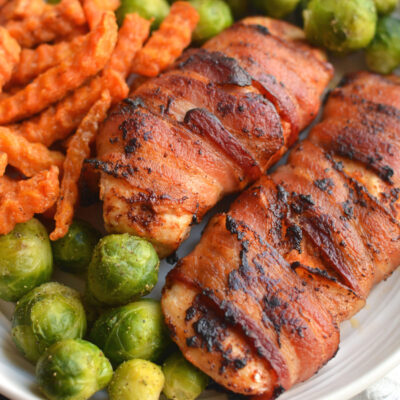
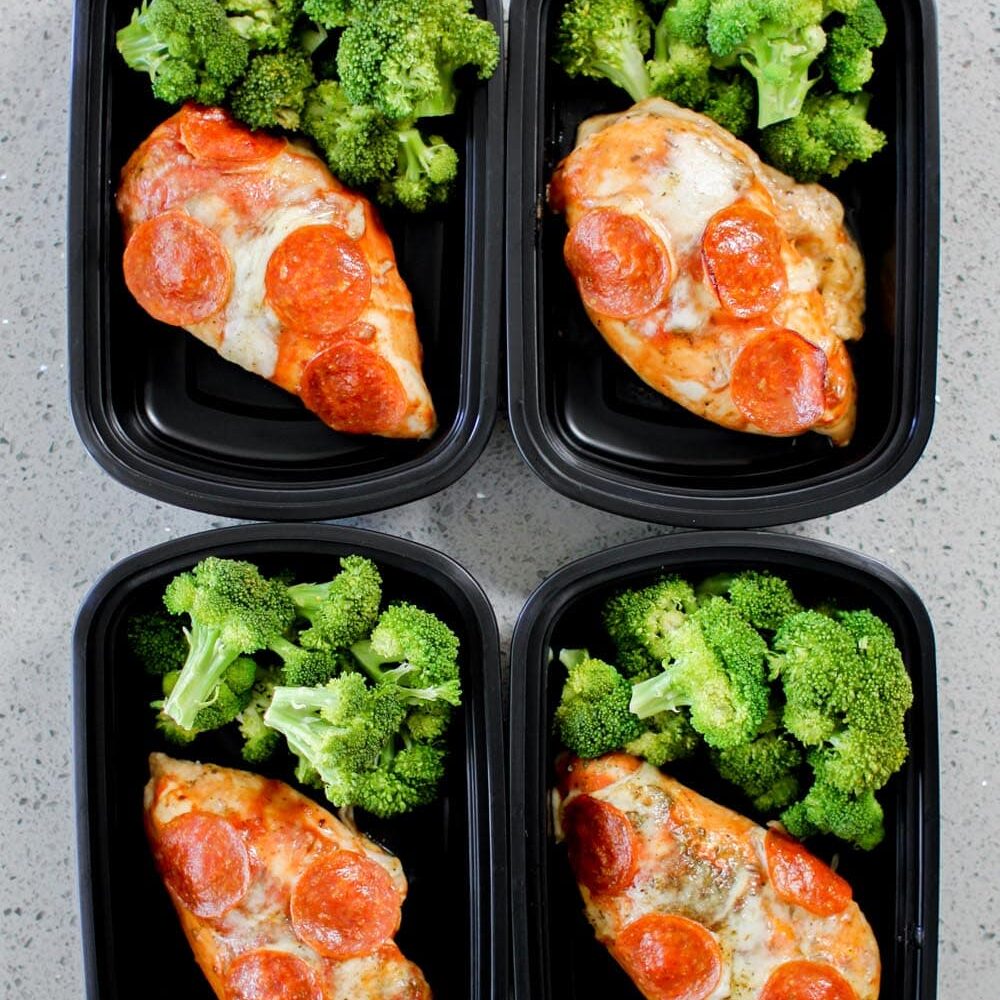
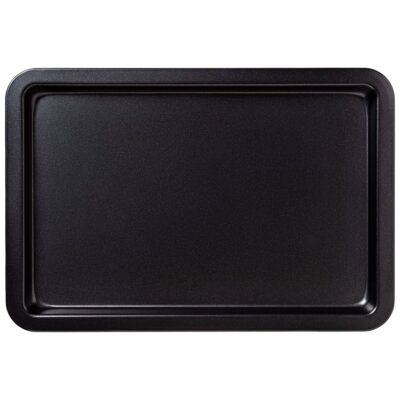
Roasting at 400 to 425 degrees Fahrenheit is the most practical method for large batches. You can fit a sheet pan with six to eight pieces with room for air to circulate, and the dry heat produces some surface browning that adds flavor. The key is to pull the chicken at the right internal temperature — 165 degrees Fahrenheit for safety, but many experienced cooks pull thighs at 170 to 175 because the collagen has more time to break down, making the meat more tender rather than less.

For sheet pan batches, rotate the pan halfway through cooking for even browning. Elevating the chicken on a wire rack placed inside the sheet pan allows hot air to circulate underneath, which prevents the bottom of the pieces from steaming in their own juices and becoming soft.

Poaching for Breast Meat

If you need chicken breast specifically for salads, sandwiches, or grain bowls, poaching is genuinely better than roasting for that application. Poached breast stays moist because it cooks gently in liquid rather than in dry heat, which means the margin for error is much wider.

The technique is straightforward. Place breasts in a wide pan, cover with cold water or chicken stock, and add aromatics — a halved onion, a few garlic cloves, peppercorns, a bay leaf. Bring to a bare simmer over medium heat, then reduce to low and cook until the internal temperature reaches 160 degrees Fahrenheit. Remove from heat, let the chicken rest in the liquid as it cools for ten minutes, then pull and slice or shred.

Do not boil. Boiling seizes the proteins rapidly and produces that rubbery, fibrous texture that made Marcus order pizza. A bare simmer — small bubbles breaking the surface occasionally — is all you need.

Slow Cooking for Shredded Chicken

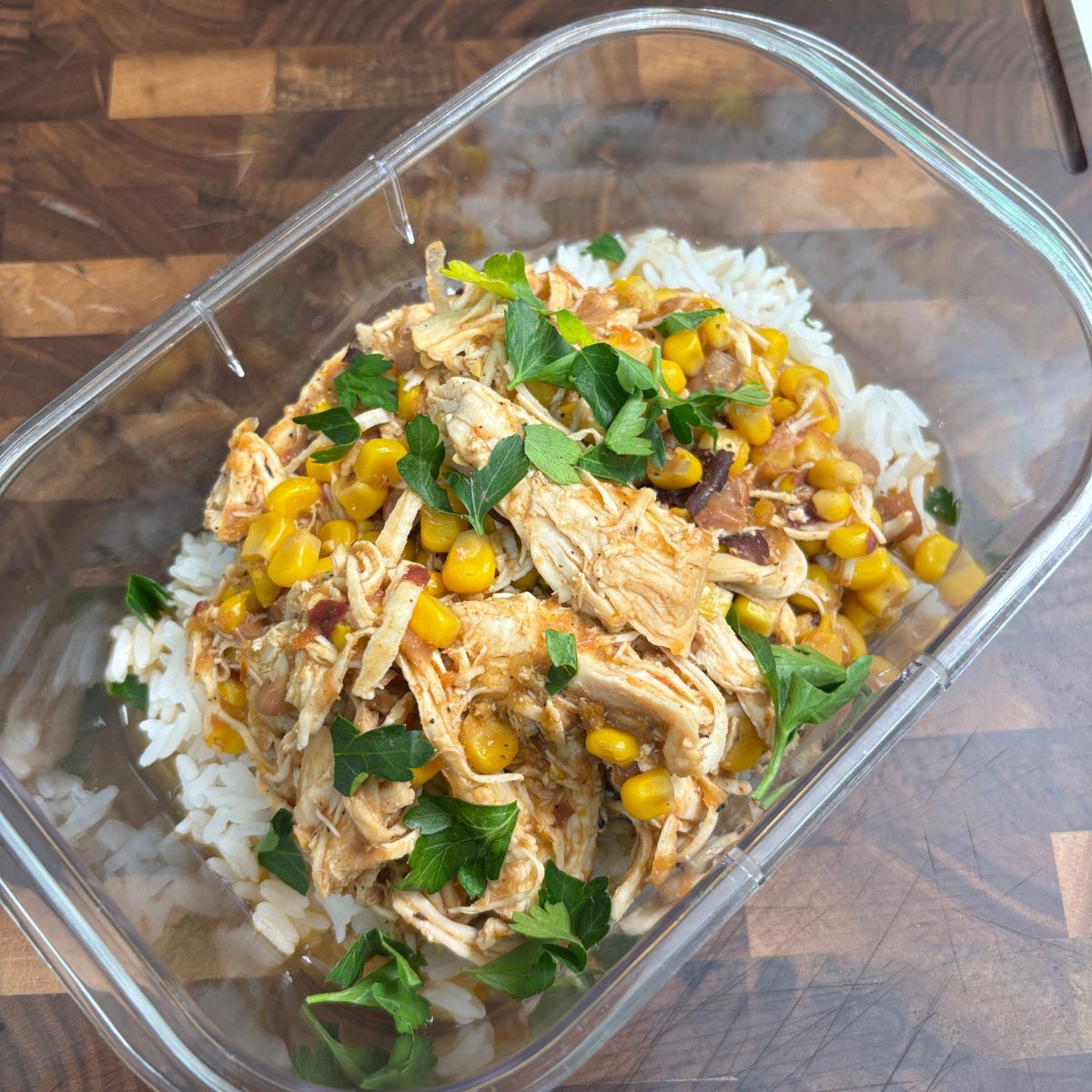
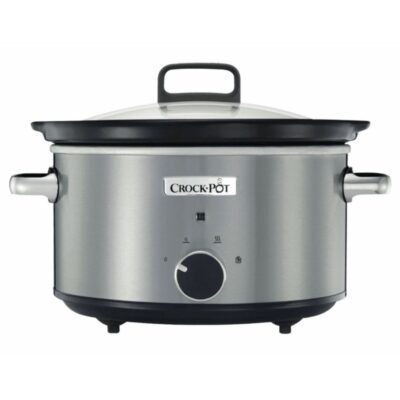
A slow cooker or Dutch oven on low heat produces chicken that shreds easily and stays moist for days in the fridge. This works especially well for thighs. Add a small amount of liquid — half a cup of chicken stock, salsa, coconut milk, or even just water with salt and spices — and cook on low for six to eight hours. The result is pull-apart meat that works in tacos, grain bowls, soups, and pasta without any additional cooking.

Seasoning Strategy for a Full Week

This is where most meal prep chicken fails in a way that has nothing to do with cooking technique. Even perfectly cooked chicken becomes tedious by day three if every container tastes identical. The fix is to treat seasoning as a variable across your batch rather than a constant.

When cooking a batch of six to eight thighs, divide them into two or three seasoning groups before they go into the oven. One group gets a simple salt, pepper, and garlic rub. A second gets smoked paprika, cumin, and a touch of oregano for a warm, smoky profile. A third might get lemon zest, dried herbs, and a little olive oil. Same cook time, same pan, three different eating experiences across the week.

Finishing Sauces as the Real Multiplier

Plain cooked chicken stored in the fridge pairs with almost any sauce, which means the chicken itself does not need to carry all the flavor. Keep two or three sauces in small jars in the refrigerator — a tahini-lemon sauce, a simple chili-soy glaze, a herb-heavy chimichurri — and add them at the point of eating rather than during storage. This approach keeps the chicken from becoming soggy in the container and dramatically extends your flavor range across the week without any additional cooking.

Storage: The Details That Actually Matter

Cooked chicken stored correctly keeps well for four to five days in the refrigerator. The container matters more than most people realize. Airtight glass containers are preferable to plastic for two reasons: they do not absorb odors or flavors over time, and they reheat more evenly in the microwave without the plastic leaching at high temperatures.

Let the chicken cool to room temperature before sealing the containers, but do not leave it out longer than two hours. Sealing hot chicken in an airtight container traps steam, which raises the temperature inside and creates condensation that makes the chicken wet and accelerates bacterial growth.

Storing with a Small Amount of Liquid

If you are storing sliced or shredded breast meat, add a tablespoon of the cooking liquid — poaching liquid, pan drippings, or a small amount of chicken stock — to the container before sealing. This moisture is reabsorbed by the meat during refrigeration and helps prevent the dry, stringy texture that makes reheated breast meat so unpleasant.

Freezing for Longer Storage

Cooked chicken freezes well up to three months if stored properly. Freeze individual portions in freezer-safe bags with as much air pressed out as possible. Label with the date and the seasoning used. Thaw overnight in the refrigerator rather than on the counter — the slow thaw preserves more
texture and reduces the risk of bacterial growth. If you froze the chicken plain, season or sauce it after reheating — flavors added before freezing can taste flat or slightly off after thawing.

Reheating Without Ruining It

The microwave is convenient but merciless with chicken breast. If you use it, reheat in short 30-second bursts at 60–70% power with a damp paper towel draped over the container. This traps steam and distributes heat more gently. A better option is a covered skillet over medium-low heat with a splash of water or broth — the chicken comes back to temperature slowly and stays moist. Shredded chicken tolerates reheating better than whole breasts or sliced pieces, so if you know a batch will be reheated multiple times across the week, shred it before storing.

Building Variety Into the Same Batch

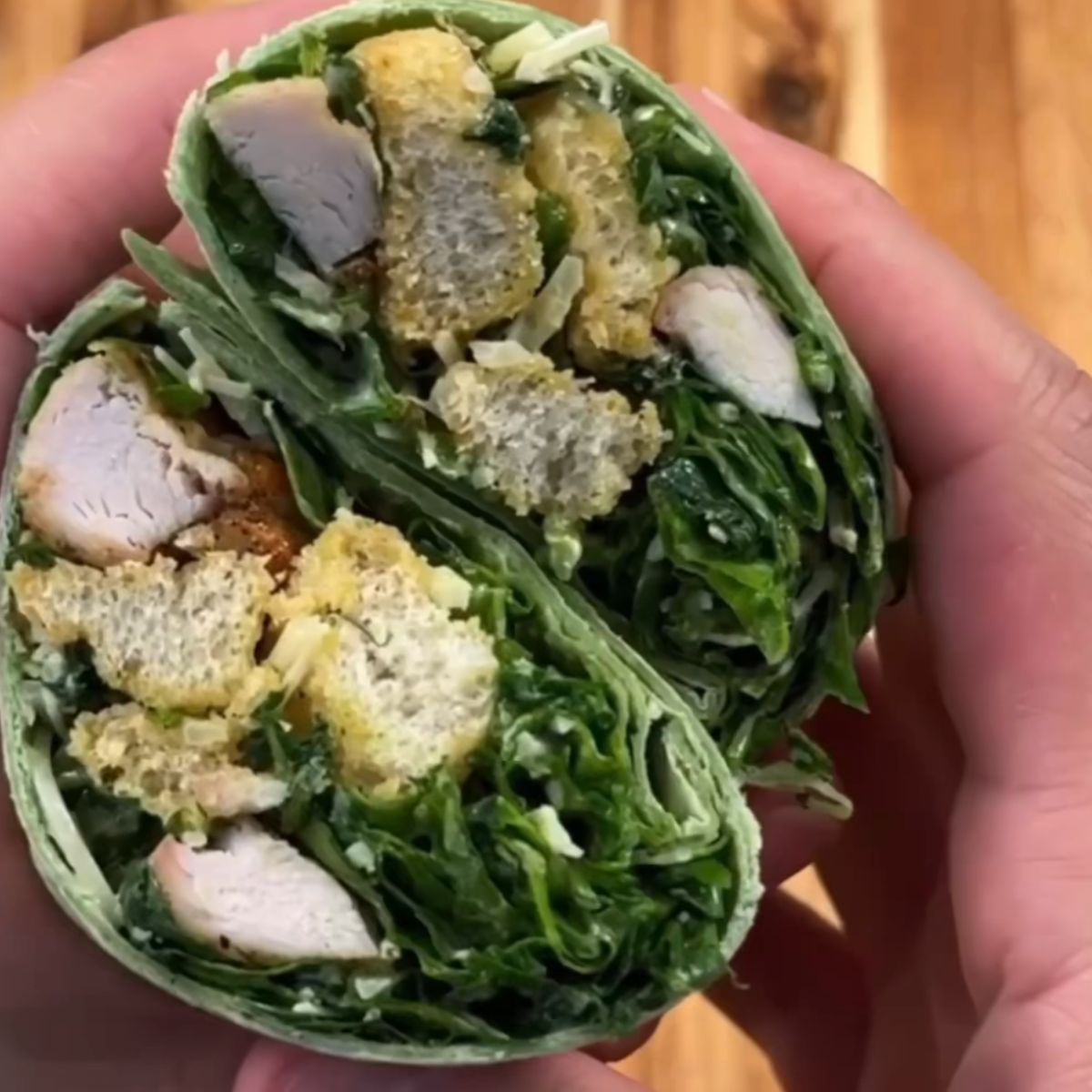
One of the most common mistakes in meal prep is cooking everything the same way and expecting to eat it enthusiastically five days in a row. A single batch of plainly seasoned chicken can go further when you treat it as a base rather than a finished dish. On Monday it goes into a grain bowl with roasted vegetables. By Wednesday it is shredded into a soup or wrapped in a tortilla with a different sauce entirely. Keeping the seasoning neutral — salt, pepper, a little garlic — gives you that flexibility. Heavily spiced or marinated chicken is harder to redirect into different meals without the flavors clashing.

Putting It All Together

Consistent results with meal prep chicken come down to a few repeatable habits: start with brined or pounded chicken for even cooking, pull it from the heat before it looks done, rest it properly, and store it with enough moisture to survive refrigeration. None of these steps is complicated on its own, but skipping any one of them tends to show up clearly in the final texture and flavor. Treat the process as a short sequence worth following each time, and batch-cooked chicken stops being a compromise and starts being something you actually look forward to eating.

Similar Posts

Leave a Reply

Your email address will not be published. Required fields are marked *